
By Theodore Brown-
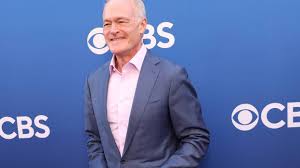
CBS News has fired veteran correspondent Scott Pelley from 60 Minutes, escalating a wave of internal upheaval at one of American television’s most influential news programs and intensifying scrutiny of new leadership at the network following a series of abrupt staffing changes.
Pelley’s dismissal comes after a tense internal confrontation with CBS News executives during which he sharply criticised the direction of the long-running investigative magazine show and questioned recent editorial decisions. According to multiple reports, the veteran journalist was informed of his termination shortly after the meeting, with CBS stating he was dismissed “for cause.”

AD: Capeesh Restaurant
CBS leadership has framed the firing of Scott Pelley and the broader shake-up at 60 Minutes as part of a wider effort to restore stability and modernise the programme following internal tensions and leadership changes. According to reports, executives viewed Pelley’s confrontation with senior management during a staff meeting as a breakdown in professional conduct, with sources saying CBS leadership believed his comments were disruptive to efforts to unify the newsroom under new editorial direction.
Reports that the restructuring is being driven by a push to streamline decision-making and adapt 60 Minutes to a more competitive digital media landscape, with newly installed executives seeking to reinforce clearer lines of authority across CBS News.
The overhaul has fuelled uncertainty within the organisation, with a series of recent departures and leadership adjustments contributing to concerns about the future of editorial independence and the long-term direction of one of American broadcast journalism’s most influential programmes. CBS executives have not publicly released full details of the termination, but internal communications reported by news outlets suggest that tensions had been building over editorial direction, management style, and recent staffing cuts within 60 Minutes.

AD: Oysterian Sea Food Restaurant And Bar
The confrontation that preceded Pelley’s firing reportedly centred on his criticism of senior leadership, including newly installed editorial figures brought in as part of a broader restructuring effort. The upheaval at the news comes amid wider corporate and structural changes following the Paramount-Skydance merger and a leadership overhaul that has reshaped editorial control across the organisation.
Industry observers say the shift has introduced a more aggressive push toward digital expansion and audience growth, but has also created friction with long-established newsroom culture at 60 Minutes, which has traditionally operated with a high degree of editorial independence.
Internal clashes and a changing 60 Minutes newsroom
The immediate catalyst for Pelley’s departure appears to have been a highly charged staff meeting in which he confronted senior leadership over the recent firing of colleagues and what he viewed as the weakening of 60 Minutes’ editorial integrity. Reports indicate that he accused management of undermining the program’s journalistic standards and expressed strong opposition to recent structural decisions.
CBS leadership has framed the decision to remove Scott Pelley as a necessary response to internal breakdowns in trust and professional conduct, according to reporting based on internal communications and staff briefings. Executives involved in the decision argued that Pelley’s confrontation with senior management during a staff meeting crossed acceptable workplace boundaries, describing his behaviour as incompatible with efforts to stabilise the newsroom amid wider restructuring at 60 Minutes.
Leadership figures including newly appointed executives have stressed that the broader overhaul of CBS News is aimed at modernising the organisation, streamlining editorial operations, and adapting the programme to a rapidly evolving media environment shaped by digital consumption and heightened political scrutiny.
Supporters of the changes within the company have also argued that recent reforms are intended to restore internal cohesion and clarify editorial authority following a series of high-profile staffing disputes and departures, positioning the restructuring as part of a long-term strategy rather than a response to a single incident.
The firing also follows a broader wave of personnel changes at CBS News, including the departure of other high-profile correspondents and producers. These moves have fuelled speculation about a deeper transformation underway within the network’s news division, particularly at 60 Minutes, which has long been considered one of the most prestigious assignments in American journalism.
Former colleagues and media analysts have reacted strongly to Pelley’s dismissal, with some warning that the changes risk undermining the credibility of a program built over decades on trust, investigative depth, and editorial independence. Others, however, argue that the shake-up reflects necessary adaptation in a media landscape increasingly driven by competition for digital audiences and shifting viewer habits.
Pelley himself has publicly accused CBS leadership of compromising journalistic standards, escalating the dispute beyond internal disagreement and into a broader public debate about the future of legacy news institutions.
The controversy has also reignited long-standing questions about how major news organisations balance editorial independence with corporate oversight, particularly during periods of ownership change and restructuring. With CBS undergoing one of the most significant internal reorganisations in its recent history, the tensions exposed by Pelley’s firing are likely to remain at the centre of industry discussion in the weeks ahead.
With 60 Minutes, the loss of one of its most experienced correspondents adds further uncertainty at a time of leadership turnover and strategic repositioning. The program prepares for its next season, the question now facing CBS is whether the changes will strengthen the organisation or deepen the instability already gripping one of its most iconic brands.
The departure of a long-serving figure like Scott Pelley who has been closely associated with the programme’s investigative identity—has intensified concerns about continuity in editorial tone and institutional memory, particularly at a moment when CBS News is already navigating significant internal restructuring.
In decades, 60 Minutes has relied on a relatively stable core of correspondents whose reputations and reporting styles have become part of the programme’s brand identity. That continuity has been central to its credibility, allowing it to maintain audience trust while adapting gradually to shifts in media consumption.
The current wave of changes, however, represents a more abrupt transition, with leadership changes and staffing adjustments raising questions about how the programme will preserve its distinctive journalistic voice.
Industry observers suggest that the challenge for CBS lies in balancing modernisation with preservation of the elements that made 60 Minutes a flagship of American broadcast journalism.
Efforts to streamline operations and adapt to digital-first viewing habits may improve reach and efficiency, but they also risk diluting the slower, investigative rhythm that has historically defined the programme’s reporting style. Internal uncertainty can have a broader impact on newsroom morale, particularly if senior correspondents and producers begin to question the stability of leadership direction.
In environments where trust between editorial staff and management is strained, the effects often extend beyond individual departures, influencing recruitment, retention, and the willingness of journalists to commit to long-term investigative work.
CBS moves forward with its restructuring plans, the success of 60 Minutes may ultimately depend on whether leadership can reassure both staff and audiences that the programme’s core identity remains intact. If that balance is not achieved, the current period of change could mark not just a personnel shift, but a more fundamental transformation in how one of television’s most influential news programmes operates and defines itself in a rapidly evolving media landscape.

AD: Heritage And Restaurant Lounge Bar