
By Aaron Miller-
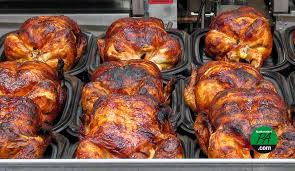
A surprisingly ordinary supermarket item has found itself at the centre of a national policy debate in Washington, as lawmakers consider whether hot rotisserie chicken should be eligible for purchase under the Supplemental Nutrition Assistance Program (SNAP), the federal food aid scheme used by nearly 42 million Americans.
The proposal, formally titled the “Hot Rotisserie Chicken Act,” would allow SNAP recipients to use benefits to buy ready-to-eat rotisserie chickens sold in grocery stores. The idea has gained rare bipartisan support, with senators arguing that the change would modernise an outdated rule that currently excludes hot prepared foods from eligibility.

AD: Capeesh Restaurant
The debate has drawn widespread attention because it touches both on food insecurity and the practical realities of how low-income families eat today. While SNAP currently allows the purchase of cold groceries, including uncooked meat and vegetables, it prohibits hot items, a restriction originally designed decades ago to encourage home cooking.
A bipartisan group of senators, including Democrat John Fetterman of Pennsylvania and Republican Jim Justice of West Virginia, has argued that the rule no longer reflects modern life.
They say rotisserie chickens represent an affordable, high-protein, ready-to-eat meal that is widely available and often cheaper per serving than cooking from raw ingredients. The proposal gains traction, it has also sparked debate over whether Congress is focusing on meaningful reforms or symbolic changes.

AD: Oysterian Sea Food Restaurant And Bar
Supporters of the bill argue that allowing SNAP benefits to cover rotisserie chicken would bring federal food assistance in line with how Americans actually shop. In a statement backing the proposal, Senator Fetterman described the supermarket staple as a “family favourite” and said SNAP dollars should be able to cover “protein-dense, affordable meals that don’t require hours of cooking.”
The legislation has also been backed by Republican lawmakers, who say the restriction on hot foods creates unnecessary barriers for working families, elderly recipients, and people without reliable access to kitchens. Senator Jim Justice said the proposal was “common sense,” arguing that families should have access to quick, nutritious meals without being penalised for convenience.
At its core, supporters argue that the policy reflects how grocery stores have evolved. Rotisserie chickens, often sold for around $5 to $8, are widely marketed as affordable ready meals and are frequently used by households stretching limited budgets.
Advocates say excluding them from SNAP creates an artificial distinction between “acceptable” and “unacceptable” food that no longer reflects real-world consumption habits.
The proposal also comes at a time when SNAP itself remains a critical part of the US social safety net, supporting millions of households facing rising food costs and inflation. Lawmakers backing the bill say expanding eligibility would not increase overall benefits but would simply give recipients more flexibility in how they spend existing assistance.
Critics Question Priorities And Policy Boundaries
Despite its bipartisan appeal, the proposal has also attracted criticism from those who argue that Congress should be focusing on broader structural issues within food assistance programmes rather than niche adjustments to eligibility rules.
Opponents say the current restriction on hot foods exists for a reason: to ensure SNAP is primarily used for groceries that require preparation at home, rather than ready-to-eat meals that blur the line between food assistance and restaurant spending.
A similar debate surfaced during recent Farm Bill discussions, where lawmakers noted that SNAP is traditionally designed to support household cooking rather than subsidise prepared food consumption.
There are also concerns about administrative complexity. Allowing hot rotisserie chicken purchases would require retailers and state agencies to distinguish between cold and hot versions of the same product, potentially creating enforcement challenges at grocery store checkout systems nationwide.
Apart from logistics, critics alsoargue that the symbolism of the debate risks overshadowing deeper issues such as benefit adequacy, eligibility rules, and regional disparities in food insecurity. Some policy analysts have described the focus on rotisserie chicken as an example of lawmakers engaging in highly visible but narrowly targeted reforms rather than addressing larger structural gaps in nutrition assistance.
Supporters of the bill counter that small, practical changes can still have meaningful impact. Families without time, transport, or kitchen access, they argue, a ready-to-eat chicken can represent a full meal that is both affordable and nutritionally valuable.
While the legislation remains under discussion in committee, it has already become a cultural talking point, illustrating the unusual ways in which food policy intersects with everyday life. Online reactions have ranged from humour to frustration, with some commentators questioning why Congress is debating supermarket chicken while larger economic issues persist.
Yet ,policymakers involved in the debate insist the issue is not trivial. They argue it highlights a broader question about how federal assistance adapts to modern food systems, where prepared grocery items have become a staple of everyday consumption.
Recent related policy discussions have also seen states experimenting with both tightening and loosening SNAP rules, including restrictions on sugary drinks and proposals to expand access to prepared foods in certain cases.
The “Hot Rotisserie Chicken Act” remains a work in progress, but its emergence underscores a wider truth about US food policy: even the most ordinary items in a grocery store can become symbols of deeper political debates about poverty, dignity, and the evolving definition of what it means to eat well in America.
What might appear at first glance as a narrow technical adjustment to SNAP eligibility rules has, in reality, opened a broader conversation about how federal assistance intersects with modern consumer habits. In many years, food aid programmes have been structured around the assumption that recipients will cook meals at home from raw ingredients.
Today’s grocery landscape is very different, with supermarkets increasingly offering affordable, ready-to-eat options that blur the line between raw food and prepared meals.
Advocates of the proposal argue that policy needs to reflect this shift. They say that excluding widely available items like rotisserie chicken creates an outdated distinction that does not match how many families actually shop, particularly those balancing multiple jobs or limited access to cooking facilities.
However, doubters caution that loosening restrictions could gradually reshape the intent of SNAP, moving it further away from its original focus on household food preparation.
In that sense, the discussion over rotisserie chicken is less about poultry and more about priorities. It forces lawmakers to confront how social safety nets adapt to changing economic realities, and whether flexibility should be seen as a compromise of principles or an evolution of them.

AD: Heritage And Restaurant Lounge Bar