
By Ben Kerrigan-
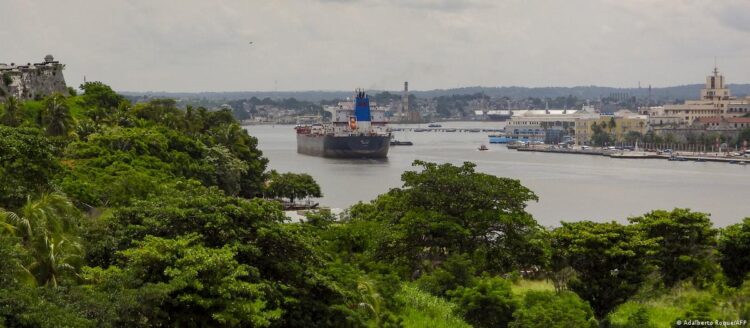
Russia has signalled its intention to send a second oil tanker to Cuba, a move that reveals growing geopolitical tensions over energy supplies to the Caribbean island and highlights mounting pressure on both Washington and Havana. The announcement came as Cuba grapples with deepening fuel shortages that have exacerbated widespread blackouts and severe economic strain.
Russia’s support follows the arrival this week of a Russian‑flagged vessel carrying a substantial crude cargo its first shipment in months and marks a significant moment in an ongoing diplomatic and economic standoff with the United States.

AD: Capeesh Restaurant
According to Russian Energy Minister Sergei Tsivilyov, preparations are underway for a second Russian oil tanker to depart for Cuba, with loading already in progress at a Russian port.
Speaking to reporters, Tsivilyov framed the deliveries as a demonstration of solidarity with Cuba, which he said has been subjected to a “total blockade” that left it “cut off.” He emphasised that Moscow would not abandon the island during its moment of need.
The first of these tankers, the Anatoly Kolodkin, docked recently at the Cuban port of Matanzas with roughly 730,000 barrels of crude oil a shipment Russian officials and state media have described as “humanitarian aid” intended to help the island manage its energy deficits.

AD: Oysterian Sea Food Restaurant And Bar
Experts estimate that the oil could yield about 180,000 barrels of diesel fuel, approximately matching Cuba’s daily consumption for about nine to ten days.
Cuba’s energy crisis has been building for several months. The island produces only a fraction of the energy it requires and traditionally imported oil from allies such as Venezuela and Mexico. Those supply lines were disrupted earlier this year following geopolitical upheavals and heightened U.S. sanctions, leaving the government in Havana to grapple with acute shortages of gasoline and electricity.
While Russia maintains that its shipments are driven by humanitarian considerations, the broader context is unmistakably political. Cuba’s reliance on foreign energy imports has long been a vulnerability one that now plays into larger strategic rivalries.
Moscow’s actions test the limits of a U.S. policy aimed at curbing oil supplies to Cuba and signal an attempt to reassert influence in an arena traditionally dominated by American geopolitical interests in the Western Hemisphere.
The United States has maintained an effective energy blockade on Cuba designed to tighten economic and diplomatic pressure on the island’s communist government. Washington has warned other nations against supplying fuel to Cuba, threatening punitive measures for those that defy its sanctions regime.
However, the reaction to Russia’s deliveries has been nuanced. In the case of the Anatoly Kolodkin’s arrival, the U.S. administration granted an unusual waiver, allowing the tanker to reach Cuban shores on purported humanitarian grounds a decision that marked a departure from the strict enforcement of the blockade.
Although Washington has characterised this waiver as a one‑off decision, the prospect of a second shipment raises questions about the efficacy and future of the blockade policy. U.S. officials have indicated that each future request will be assessed individually, but critics argue that allowing any such shipments undermines the broader strategy of leveraging economic pressure for political change.
Inside Cuba, the impact of the energy crisis is palpable. Months of rationing have taken a heavy toll on both daily life and the broader economy. Frequent blackouts have become a defining feature of the current crisis, affecting not only households but also essential services such as healthcare facilities and food distribution networks.
Shortages of water and medicines have added to the hardships faced by ordinary Cubans, deepening public frustration and economic distress.
In some quarters, public displays of opposition to the embargo have surfaced. Crowds of Cubans in Havana recently took to the streets in a protest convoy, voicing their defiance of U.S. sanctions and calling for an end to what they view as an unjust blockade.
The demonstrations brought together a diverse group of participants from bicyclists to small‑vehicle riders all driven by a shared demand for relief from the crises constricting their daily lives.
Despite these pressures, Cuban leadership has largely refrained from overt direct engagement in these protests, even as the government emphasises its commitment to secure external support. Moscow’s aid, Beijing’s diplomatic engagement, and Havana’s careful balancing act have become central to how the island navigates its current predicament.
In Washington, lawmakers and analysts are closely watching developments. Some critics urge firmer enforcement of sanctions and greater coordination with allies to pressure Havana.
Others question whether the blockade, now tested by Moscow’s actions, is politically sustainable or strategically sound in its present form. The debate reflects deeper divisions within U.S. policy circles about how best to address Cuba’s internal governance and external alignments.
While preparations for the second tanker continue, all eyes will remain on how Washington, Havana, and Moscow navigate the unfolding diplomatic and energy dynamics. The situation is not merely about the shipment of crude oil; it reflects a complex web of international strategy, economic survival, and regional influence.
With Havana, each barrel of Russian oil represents more than fuel it is a lifeline for a population struggling with prolonged blackouts, rationing, and dwindling industrial production.
The government must balance the immediate necessity of energy supplies with long-term diplomatic considerations, ensuring that reliance on Moscow does not further alienate other potential partners or exacerbate tensions with Washington.
With Moscow, this operation is an opportunity to demonstrate its geopolitical reach and assert its role as a reliable partner in regions traditionally within the U.S. sphere of influence. Through continuing oil shipments, Russia signals that it can circumvent sanctions regimes and provide critical support to allies, reinforcing its image as a counterweight to U.S. policy.
Such moves may also serve as a testing ground for broader international strategies in energy diplomacy, particularly as global oil markets remain volatile.
Meanwhile, Washington faces a delicate balancing act. The U.S. must maintain pressure on Havana while avoiding steps that could inadvertently push Cuba closer to Moscow’s orbit. How the U.S. responds to this second shipment whether through renewed sanctions, selective waivers, or diplomatic engagement will likely shape the broader contours of influence in the Caribbean for years to come.

AD: Heritage And Restaurant Lounge Bar