
By Aaron Miller-
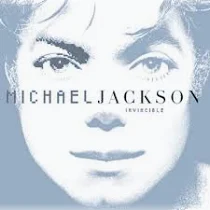
Michael Jackson’s final studio album, Invincible, is returning to vinyl for its 25th anniversary, bringing one of the most debated chapters of the King of Pop’s career back into the spotlight while raising an uncomfortable question: can Jackson’s extraordinary musical legacy be celebrated without also confronting the serious allegations that have surrounded him?
Sony Music is marking the quarter-century anniversary of Invincible with a new 2LP vinyl release, giving collectors and longtime fans another opportunity to own Jackson’s tenth and final studio album. The reissue is scheduled for international release on October 16, 2026, with the UK edition following on October 17 as part of this year’s National Album Day, whose theme is “Icons.”

AD: Capeesh Restaurant
The anniversary release will feature a limited Marbled Stone Grey 2LP edition alongside a worldwide standard black-vinyl pressing. The UK release will form part of National Album Day’s special range of exclusive pressings, placing Jackson’s final album among releases celebrating artists including Aretha Franklin, Billy Joel and The Who.
Released on October 30, 2001, Invincible arrived at a complicated point in Jackson’s career. The album was surrounded by enormous expectations, intense media attention and growing scrutiny of the singer’s personal life. Yet, more than two decades later, the record continues to find new audiences.
“You Rock My World” remains particularly visible in popular culture, with its short film and Jackson’s performance of the song at his 30th Anniversary celebration continuing to resurface online. Other tracks from Invincible have also experienced renewed attention, including “Unbreakable” and “Heaven Can Wait,” demonstrating that the album has retained a following well beyond its original release.

AD: Oysterian Sea Food Restaurant And Bar
The 25th anniversary represents an opportunity for his longstanding fans to reassess an album that has sometimes been overshadowed by the controversies surrounding its creation and release.
Its commercial performance was significant, while Jackson’s wider catalogue continues to attract millions of listeners through streaming services, social media and renewed interest from younger generations. But any celebration of Michael Jackson in 2026 comes with a difficult question attached.
The singer’s legacy cannot be discussed without acknowledging the serious allegations of child sexual abuse that have been made against him.
Two men, Wade Robson and James Safechuck, have publicly alleged that Jackson sexually abused them when they were children. Jackson denied allegations of sexual abuse during his lifetime. In 2005, he was acquitted of all charges in a criminal trial arising from separate allegations.
The allegations made by Robson and Safechuck have nevertheless remained a significant part of the public debate over Jackson’s legacy, particularly following the 2019 documentary Leaving Neverland, which brought their accounts to a much wider international audience.
Jackson’s estate and supporters have disputed the allegations and have continued to defend the singer. That history makes the anniversary of Invincible considerably more complicated than a straightforward celebration of a classic pop album.
There is no question that Michael Jackson remains one of the most influential recording artists in popular music. His impact on music videos, choreography, live performance, production and popular culture is enormous.
His catalogue continues to generate commercial interest, and his songs remain part of the cultural landscape more than 15 years after his death. At the same time, acknowledging that artistic influence does not require ignoring the allegations made against him.
This is perhaps the central tension surrounding the new Invincible reissue. National Album Day is celebrating “Icons,” and Jackson undoubtedly occupies a major place in the history of popular music. But describing someone as an icon can also create the danger of reducing a complicated human story to an uncomplicated celebration.
For some listeners, the music exists independently of the allegations. They will hear Invincible as a meticulously produced pop record and as the final studio statement from an artist whose influence transformed the entertainment industry.
Listening to Jackson’s music ever again, for others, requires consideration of the allegations and the accounts of those who say they were harmed. For these listeners, a celebration of the music without acknowledging that history may feel incomplete.
There is also a distinction between recognising an artist’s historical importance and endorsing every aspect of that artist’s life or conduct. Jackson’s music can be examined, discussed and preserved as part of popular culture while the allegations against him remain part of the historical record and subject to continuing debate.
That demarcation may be particularly important as Invincible reaches a new generation.
Many younger listeners discovering Jackson today will encounter his music through streaming platforms, viral videos and social media rather than through the original album campaign of 2001.
They may know “You Rock My World” without knowing the circumstances surrounding the album’s release. Others may discover the allegations before they ever hear the record.
The new vinyl release will inevitably appeal to collectors and devoted Jackson fans. The Marbled Stone Grey edition, in particular, is likely to attract attention from those who regard Invincible as an important piece of Jackson’s discography and pop history.
But perhaps the most interesting aspect of the anniversary is not the vinyl itself. It is what the reissue says about the endurance of Michael Jackson’s cultural presence. Twenty-five years after Invincible was released, the album is still being discussed, collected, streamed and rediscovered. Ja
ckson’s music has survived changing musical fashions, technological revolutions and one of the most complicated reputational histories in modern entertainment.That makes the anniversary neither a simple celebration nor a reason to erase the music from history. Instead, it is an opportunity to have a more honest conversation about both.
Invincible remains an important document of Michael Jackson’s final creative period and a significant release in the history of 21st-century pop music. At the same time, the serious allegations made against Jackson remain an unavoidable part of any discussion about his legacy.

AD: Heritage And Restaurant Lounge Bar