
By Aaron Miller-
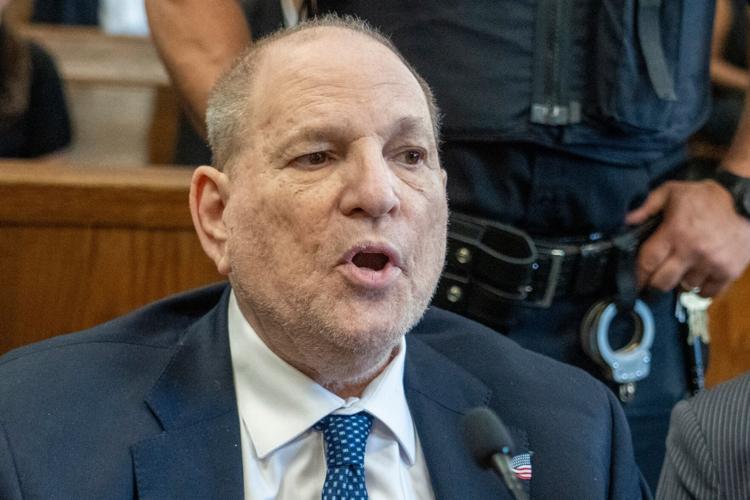
Harvey Weinstein will not face a fourth trial in New York on a rape charge that has lingered through years of courtroom battles, appeals, and deadlocked juries. The dramatic conclusion came Thursday when prosecutors formally dropped the remaining charge after accuser Jessica Mann said she could no longer endure the emotional burden of testifying again. The decision closes one of the final unresolved chapters in the sprawling legal saga that transformed Weinstein from one of Hollywood’s most powerful producers into the central figure of the global #MeToo movement. While the former movie mogul remains incarcerated and convicted on other sex-crime charges, the dismissal marks the end of New York’s pursuit of the rape allegation tied to Mann.
The charge stemmed from allegations that Weinstein raped Mann in a Manhattan hotel room in 2013. Over the years, the case became emblematic of both the possibilities and limitations of the justice system in high-profile sexual assault prosecutions. Mann testified repeatedly before grand juries and trial juries, reliving painful details of her experiences while facing intense scrutiny from defense attorneys and the public.

AD: Capeesh Restaurant
In a letter read aloud in court, Mann explained that she had reached her limit. “After a lot of thought and reflection, I have chosen not to proceed with a fourth trial against Harvey Weinstein,” she wrote. “It was clear to me at this last trial I could no longer endure going through this any longer,” according to court proceedings.
Her decision left prosecutors with little practical path forward. Without the testimony of the alleged victim, Manhattan prosecutors determined that pursuing another trial would not be viable. Judge Curtis Farber subsequently dismissed the charge, ending years of legal uncertainty surrounding the allegation. The road to Thursday’s dismissal was anything but straightforward. In 2020, Weinstein was convicted in New York on charges that included the rape allegation involving Mann. That conviction was celebrated by advocates as a landmark moment in the fight against sexual misconduct by powerful men. Yet the legal victory proved temporary. In 2024, New York’s highest court overturned the conviction, ruling that the original trial had been tainted by testimony from women whose allegations were not directly related to the charges being tried. The court concluded that the inclusion of such testimony unfairly prejudiced the jury and ordered a new trial. The retrial produced a far more complicated outcome. Jurors convicted Weinstein on a separate sexual assault charge involving former production assistant Miriam Haley but failed to reach a unanimous verdict regarding Mann’s rape allegation. The resulting mistrial left prosecutors with a difficult decision: retry the case again or move on.
A subsequent effort to secure a verdict also ended in deadlock, with jurors unable to agree on whether Weinstein should be convicted or acquitted. After two hung juries and years of litigation, the prospect of a fourth trial loomed. But that possibility effectively vanished when Mann informed prosecutors she was unwilling to return to the witness stand. Prosecutors emphasised that the dismissal should not be interpreted as a rejection of Mann’s allegations. Manhattan District Attorney Alvin Bragg’s office praised her courage and acknowledged the personal cost of participating in the legal process for nearly a decade. Prosecutors maintained that they continued to believe her account. Defence attorneys, meanwhile, welcomed the decision and reiterated Weinstein’s longstanding claim that all sexual encounters in question were consensual. They argued that the dismissal reflected weaknesses in the prosecution’s case and maintained that the charge should never have been brought.

AD: Oysterian Sea Food Restaurant And Bar
Inside the courtroom, Weinstein reportedly showed little visible reaction as he was wheeled out following the dismissal. The 74-year-old former producer has appeared in recent proceedings in a wheelchair while dealing with multiple health issues. Although the rape charge has been dismissed, Weinstein’s legal troubles are far from over. He remains convicted in New York of a criminal sexual act involving Miriam Haley and is awaiting sentencing. Prosecutors have recommended a 20-year prison term for that conviction. In addition, Weinstein has already been sentenced to 16 years in prison following a separate California conviction for rape and sexual assault. He continues to appeal aspects of those cases while maintaining his innocence.
With this result, Thursday’s dismissal does not alter the reality that Weinstein is expected to remain behind bars. Yet the outcome carries significance beyond the fate of a single defendant. The case highlights the extraordinary challenges involved in prosecuting sexual assault allegations years after the alleged incidents occurred. Such cases often depend heavily on witness testimony, making the emotional and psychological endurance of accusers a crucial factor in whether prosecutions can proceed. Mann’s withdrawal underscores that reality. Over eight years, she appeared before multiple juries, answered deeply personal questions, and saw intimate details of her life dissected in public courtrooms. Her statement suggested that the process itself had become a source of ongoing trauma.
The dismissal also revives broader conversations about the demands placed on survivors who participate in criminal proceedings. Advocates note that repeated testimony can require individuals to revisit painful experiences again and again, particularly when convictions are overturned or juries fail to reach consensus. Defence attorneys and legal scholars point to repeated mistrials as evidence of the challenges prosecutors faced in persuading jurors beyond a reasonable doubt. The inability of multiple juries to reach a unanimous verdict reflected the complexity of the evidence and the legal standards required for conviction.
The Weinstein prosecutions have occupied a unique place in modern American legal history. Allegations against the former producer exploded into public view in 2017, helping ignite the #MeToo movement and prompting hundreds of women worldwide to share experiences of sexual harassment, assault, and workplace abuse. The fallout reshaped industries, toppled influential figures, and altered public discussions about power and accountability. Weinstein’s original conviction symbolised a long-awaited reckoning. With critics, the subsequent reversals and retrials highlighted concerns about ensuring due process in highly publicised cases. Thursday’s dismissal adds another layer to that complicated legacy.
One reality became clear: the legal battle over Jessica Mann’s allegation has reached its end. Whether viewed as a necessary acknowledgment of an accuser’s exhaustion or as the final chapter in a case that repeatedly divided juries, the dismissal closes a case that has traveled an extraordinary path through the American justice system. The broader story, however, remains unfinished. Weinstein’s remaining convictions, ongoing appeals, and the lasting impact of the #MeToo movement ensure that his name will continue to occupy a prominent place in discussions about power, accountability, and justice for years to come.

AD: Heritage And Restaurant Lounge Bar