
By Charlotte Webster-
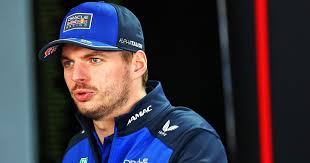
A tense and highly unusual confrontation between Max Verstappen and a journalist overshadowed preparations for the Japanese Grand Prix on Thursday, as the Red Bull driver refused to begin a scheduled media session until the reporter left the room. The incident, which unfolded inside the team’s hospitality suite at Suzuka Circuit, quickly became one of the most talked-about moments of the race weekend, highlighting simmering tensions between elite athletes and the media that cover them.
According to multiple reports, Verstappen halted proceedings moments after sitting down, identifying a journalist and declaring, “I’m not speaking before he’s leaving,” before bluntly instructing him to “get out.”

AD: Capeesh Restaurant
The room reportedly fell silent as the exchange unfolded, with the journalist briefly attempting to question the decision before ultimately complying and exiting the session. Only then did Verstappen proceed to answer questions from the remaining media.
The clash did not emerge in isolation. It stems from a lingering grievance tied to a question posed months earlier, following the 2025 season finale in Abu Dhabi. That question revisited a controversial collision involving Verstappen and George Russell at the Spanish Grand Prix, an incident that resulted in a time penalty and ultimately cost Verstappen valuable championship points.
The Dutch driver went on to lose the title by just two points to Lando Norris, a narrow margin that appears to have amplified the emotional weight of the moment.

AD: Oysterian Sea Food Restaurant And Bar
With Verstappen, a four-time world champion known as much for his fierce competitiveness as his candid demeanor, the episode underscored how deeply past controversies can linger. Observers noted that the exchange, while brief, revealed a more personal side of the driver one still affected by the scrutiny and narrative framing surrounding pivotal moments in his career.
The relationship between Formula One drivers and journalists has long been defined by a delicate balance: access in exchange for insight, questions in pursuit of accountability. Yet Thursday’s confrontation at Suzuka disrupted that equilibrium, raising questions about the boundaries of that relationship and how far drivers can go in controlling the narrative.
In Formula One, media sessions are structured environments designed to ensure equal access for journalists representing outlets around the world. Drivers are expected to answer questions ranging from technical performance to personal reflection, often revisiting controversial moments under intense scrutiny.
Verstappen’s refusal to participate until a specific journalist left the room was therefore highly unusual, with even veteran reporters noting the rarity of such an incident in the sport.
At the heart of the dispute lies a broader issue: how athletes process criticism and how journalists frame their questions. The original exchange in Abu Dhabi, which revisited Verstappen’s clash with Russell, was viewed by some as a fair line of inquiry given its impact on the championship.
With Verstappen, however, it appeared to represent a reductive narrative one that singled out a single mistake in a season defined by multiple variables.
The fallout highlights the emotional intensity that surrounds modern Formula One, where margins are razor-thin and narratives can shape public perception as much as on-track performance. In an era dominated by social media amplification and global audiences, a single question can echo far beyond the press room, influencing how a driver’s season is remembered.
To journalists, the incident has sparked reflection on the risks and responsibilities inherent in covering elite sport. Some have defended the reporter’s question as legitimate and necessary, emphasizing the role of the press in holding competitors accountable and providing context to fans.
Others have pointed to the need for sensitivity when addressing moments that carry significant emotional weight, particularly when they involve championship-defining consequences.
The timing of the incident adds another layer of intrigue. Verstappen entered the 2026 season facing a different reality than in recent years. After a dominant run that established him as one of the sport’s defining figures, he now finds himself chasing rather than leading, with early results leaving him outside the शीर्ष positions in the standings.
That shift has brought renewed scrutiny, not only of his performance but also of his mindset. The loss of the 2025 title by the narrowest of margins remains a defining narrative, and the Suzuka confrontation suggests it continues to resonate.
In many ways, the episode serves as a reminder that Formula One is as much a psychological contest as it is a technical one, where confidence, perception, and resilience play critical roles.
Beyond Verstappen’s personal storyline, the incident reflects broader changes within the sport. Formula One has grown into a global entertainment powerhouse, with expanding audiences and increased media attention. Suzuka, a circuit steeped in history and revered for its challenging layout, has often been the stage for dramatic moments. This time, however, the drama unfolded not on the asphalt but in a media suite, offering a different kind of spectacle.
While the race weekend progresses, attention will inevitably shift back to lap times, strategies, and championship implications. Yet the echoes of Thursday’s confrontation are likely to linger.
With Verstappen, the challenge will be to channel that intensity into performance, turning a moment of controversy into motivation. For the media, the incident serves as a point of reflection on how stories are told and questions are asked. And for Formula One as a whole, it underscores the evolving dynamics of a sport where the lines between competition, personality, and narrative continue to blur.
.

AD: Heritage And Restaurant Lounge Bar