
By Sheila Mckenzie-
The United Kingdom is poised to record its hottest year in modern climate history, according to the latest analysis from the national weather authority.
Forecasters at the Met Office report that average temperatures for 2025 are tracking above any annual mean previously recorded, underscoring profound shifts in Britain’s climate system that scientists attribute to long-term global warming trends.

AD: Capeesh Restaurant
The mean annual temperature was roughly 10.05°C by mid-December, slightly higher than the previous high of 10.03°C set in 2022, according to data published by the Met Office.
A brief cold spell forecast over the Christmas period means final confirmation will await the publication of year-end data in early January, but experts say the likelihood of 2025 setting a new record is strong.
This would mark only the second time in observational records which stretch back to the late 19th century that the UK’s annual mean temperature has surpassed the 10°C threshold, a stark indicator of changing climatic norms for a nation once known for its temperate weather.

AD: Oysterian Sea Food Restaurant And Bar
Warming Beyond Expectations
The extraordinary warmth seen this year is not confined to isolated heatwaves; it reflects a consistent pattern of elevated temperatures stretching from spring through autumn.
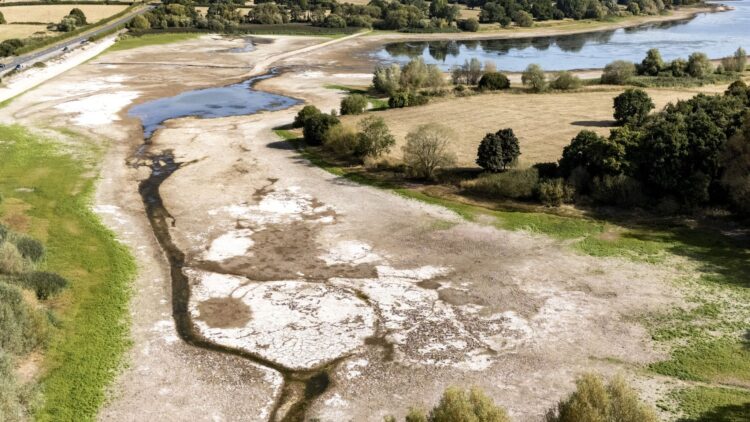
Records from the Met Office show that both spring and summer 2025 ranked among the warmest on record, with heatwaves occurring repeatedly and contributing to drought conditions in parts of England, Wales and Scotland.
Provisional seasonal averages underline the scale of the shift. Summer 2025 registered as the warmest such season on record, with a mean temperature of more than 16°C, surpassing the previous high set in 2018. Persistent high-pressure systems, dry soils, reduced cloud cover and warm seas all played a role in driving prolonged warmth.
Experts highlight that this degree of sustained warmth especially so early in the autumn and across broad swaths of the year was virtually implausible before recent decades.
“We are living in extraordinary times,” Mike Kendon, a senior scientist with the Met Office, said, emphasising that multiple “warmest years” have clustered in the modern era and reflect an unmistakable climatic trend.
The approaching record carries implications far beyond meteorological statistics. Prolonged warmth has strained water resources, strained power systems and reshaped public behaviour.
Hosepipe bans were introduced in several regions during the summer to mitigate water shortages, while public health agencies issued heat warnings, particularly for vulnerable populations.
Agriculture and ecosystems have also felt the effects. Extended dry spells and high temperatures have altered growing seasons and stressed both crops and livestock, while wildfire risk heightened in dry landscapes.
Spring and summer drought conditions combined with intense sunshine exacerbated soil moisture deficits, a pattern that climate scientists warn could become more common.
While the warmest temperatures typically garner most public attention, the broader pattern of changing weather extends into other seasonal extremes.
Winter forecasts this year featured a small possibility of wintry flurries around Christmas, yet forecasters noted the overall decline in cold conditions is consistent with longer-term warming even if occasional cold snaps still occur.
Tourism and travel patterns have also shifted in response to the extraordinary weather, with seaside and rural destinations reporting extended periods of high visitor numbers during summer months.
Some tourism planners are considering an adaptation of peak season strategies, shifting emphasis to cooler months and diversifying offerings to appeal to visitors year-round.
The Met Office cautions that a single record, while significant, is part of a broader and accelerating pattern. Four of the last five years will rank among the UK’s highest annual temperatures since systematic records began in 1884, and all ten of the warmest years have occurred in the past two decades.
Scientists note that the UK’s warming trajectory mirrors global patterns driven by increases in atmospheric greenhouse gas concentrations. The cumulative effect of decades of fossil fuel emissions has elevated baseline temperatures so that even “typical” summer weather now delivers heat once considered exceptional.
Climate researchers stress that the continuation of the warming trend means records will likely continue to be challenged. “This should come as no surprise,” Kendon said, noting that the UK has already observed multiple successive record years due to overall warming.
International climate bodies underscore the importance of emission cuts if global warming is to be constrained. Although short-lived records like 2025’s projected heat do not alone define long-term climate policy, they illustrate the urgency of addressing the underlying drivers of climate change.
Societal Debate and Policy Response
The prospect of a new UK temperature record this year has provoked debate among policymakers, scientists and the public. Environmental advocates have pointed to the data as evidence of a rapidly changing climate that necessitates swift action on carbon reduction targets.
Some analysts argue that infrastructure, from energy grids to water management systems, needs urgent reinforcement to handle increasing extremes.
Government officials have acknowledged the challenge, citing recent climate assessments that call for accelerated progress toward net-zero emissions and greater resilience planning. Yet debates continue over the best mix of mitigation and adaptation measures, with some sectors emphasising economic growth, others prioritising environmental safeguards.
For many people, the changing climate is more than abstract statistics; it is visible in daily life in hotter summers, disrupted outdoor plans, and new conversations about future weather trends and lifestyle adaptation.
Meanwhile, the expected confirmation that 2025 will be the hottest year in the UK highlights the fact that climate change is not a far-off threat but rather an emerging reality that will directly impact people, ecosystems, and economies throughout the nation. This year’s data may operate as a warning as well as a catalyst, bringing climate action back into the spotlight at all societal levels.

AD: Heritage And Restaurant Lounge Bar