
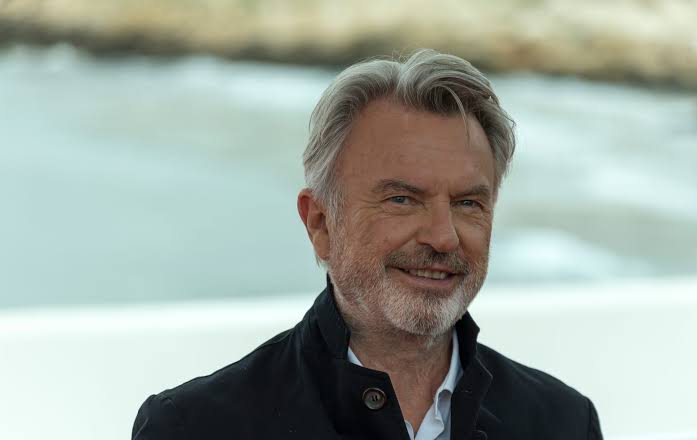
By Lucy Caulkett-
The world of cinema has lost one of its most distinctive and respected performers. New Zealand actor Sam Neill, whose career stretched across intimate dramas, science-fiction adventures and some of Hollywood’s biggest productions, has died at the age of 78.
Known internationally for portraying palaeontologist Dr Alan Grant in Jurassic Park and for his acclaimed role in The Piano, Neill leaves behind a legacy built on versatility, quiet charisma and decades of unforgettable performances. The quality o his performances were one to remember for generations to come.

AD: Capeesh Restaurant
Neill’s death was announced by his family through a statement shared on his official social media accounts. The family said his passing was sudden and unexpected, adding that he was surrounded by loved ones. No specific cause of death was provided, though Neill had previously spoken publicly about his battle with angioimmunoblastic T-cell lymphoma, a rare form of blood cancer, and later revealed that he was cancer-free following treatment.
Born in Northern Ireland in 1947 and raised in New Zealand, Neill became one of the country’s most internationally recognised actors. His journey from local productions to global stardom reflected a career that refused to be limited by one genre or one defining character.
He could play scientists, soldiers, villains, fathers and historical figures with equal conviction, often bringing a thoughtful intensity beneath his understated style. His breakthrough came through Australian and New Zealand cinema before Hollywood recognised his talent. Films such as My Brilliant Career, Dead Calm and The Hunt for Red October established him as a performer capable of balancing emotional depth with screen presence.

AD: Oysterian Sea Food Restaurant And Bar
But it was 1993 that transformed Neill into an international household name, as two very different films placed him at the centre of global attention. In Steven Spielberg’s Jurassic Park, Neill stepped into the role of Dr Alan Grant, a palaeontologist forced to confront living dinosaurs on a mysterious island. The film became a cultural phenomenon, changing the landscape of visual effects and adventure cinema.
Neill’s portrayal of Grant stood apart because he did not play the character as a traditional action hero; instead, he brought curiosity, intelligence and vulnerability to a man whose scientific world was suddenly overwhelmed by impossible discoveries. That same year, Neill appeared in The Piano, directed by Jane Campion, a critically celebrated drama that won multiple Academy Awards. His performance as Alisdair Stewart revealed another side of his craft, showing his ability to portray complicated human emotions in a much quieter and more restrained setting.
The contrast between Jurassic Park and The Piano captured the unusual range that defined Neill’s career. He was never simply a blockbuster actor or an art-house performer. He moved comfortably between the two worlds, earning admiration from mainstream audiences and critics alike.
While millions remembered Sam Neill as the calm scientist facing prehistoric predators, those who worked with him often described a performer known for warmth, humour and humility. His career included more than 150 screen appearances, ranging from horror and science fiction to television dramas and independent films.
Neill continued exploring different roles long after Jurassic Park made him famous. He appeared in films including Event Horizon, In the Mouth of Madness and The Dish, while also gaining a new generation of fans through television projects such as Peaky Blinders. His willingness to take on unusual and challenging projects helped maintain his reputation as an actor who valued storytelling over celebrity.
In later years, Neill became known not only for acting but also for his life away from film sets. He operated a vineyard in New Zealand and frequently shared humorous and personal moments with fans. His public image was shaped by a rare combination of international fame and everyday simplicity, with audiences often seeing him as approachable despite his decades in the spotlight.
Neill also became an advocate for greater awareness around blood cancer after revealing his own diagnosis. In interviews and through his memoir, Did I Ever Tell You This?, he reflected on illness, ageing, friendship and the unpredictable nature of life. Rather than stepping away from the public eye, he used his experiences to encourage conversations about health and resilience.
Tributes quickly followed from across the entertainment world, with actors and public figures remembering Neill not only for his performances but also for his character outside the camera. Colleagues described him as generous, intelligent and deeply respected within the film community. With New Zealand, Neill represented more than a successful actor. He became a symbol of the country’s contribution to international cinema, joining a generation of artists who helped bring New Zealand storytelling to global audiences. His achievements were recognised with major honours, including a knighthood from New Zealand for his contributions to film and entertainment.
The image of Sam Neill standing among dinosaurs in Jurassic Park will remain one of cinema’s most recognisable moments, but his legacy reaches far beyond that single role. His career was defined by range, intelligence and a willingness to embrace stories of all kinds.
He was an actor who could command a blockbuster screen while still making audiences feel the quiet humanity of his characters. Whether facing fictional creatures, emotional conflicts or historical challenges, Neill brought the same sense of authenticity that made his performances endure. His greatest strength was his ability to make even the most extraordinary situations feel deeply personal. In a world filled with dinosaurs, political conflicts and dramatic transformations, Neill’s characters were often defined by their emotional honesty rather than their circumstances.
He understood that audiences connected not only with the stories unfolding on screen, but with the people experiencing them. That quality allowed him to bring warmth and complexity to roles that could easily have become one-dimensional. Throughout his career, Neill demonstrated a rare ability to disappear into different worlds without losing the natural presence that made him recognisable. He could portray vulnerability without weakness, authority without arrogance and fear without losing courage.
These qualities helped him create characters who felt genuine, whether they were standing in the middle of a prehistoric crisis or navigating the quieter struggles of human relationships.
Sam Neill’s work is living evidence that great acting is not only about creating memorable moments but also about creating meaningful connections. His legacy will live on through the characters he brought to life and the generations of viewers who found something familiar, inspiring and deeply human in his performances.

AD: Heritage And Restaurant Lounge Bar