
Tony O’Reilly-
The Scottish Child Abuse Inquiry is set to begin a new phase of public hearings on December 8, focusing on the abuse of children in care, institutional failures to protect vulnerable young people, and measures needed to strengthen safeguarding. Phase 11 of the inquiry, titled “Protecting Children in Care in Scotland from Abuse: Present and Future,” will examine how abuse occurs within care settings and what further steps are necessary to prevent harm and improve protection for vulnerable children.
The first chapter of the hearings will focus on cases in which children abuse other children, including incidents of sexual, physical and emotional abuse in residential care settings. The inquiry will investigate the circumstances surrounding such incidents, examine existing safeguarding arrangements and consider what more can be done to ensure that children living in care are protected from abuse.

AD: Capeesh Restaurant
The hearings are expected to receive evidence from national agencies, third-sector organisations, residential childcare providers, academics and clinical psychologists. Their contributions will help the inquiry examine the challenges faced by care providers, identify weaknesses in existing protection systems and explore approaches that could reduce the risk of abuse. The evidence is also expected to contribute to a wider understanding of how institutions can create safer environments for children who depend on them for care and protection.
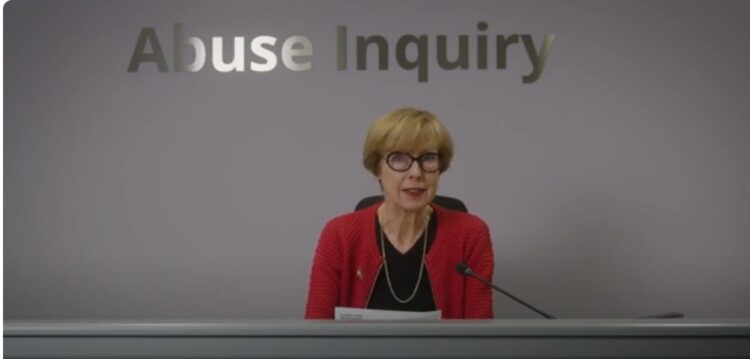
Lady Smith, chair of the Scottish Child Abuse Inquiry, said the inquiry had already heard extensive evidence of children in different care settings being abused by other children, as well as by individuals responsible for their care. She explained that these experiences had featured in previous case studies and had informed numerous findings made during the investigation. In the upcoming chapter, she said, she wants to explore the important question of why such abuse happens.
Her comments underline the importance of examining not only individual incidents but also the circumstances and institutional practices that may allow abuse to occur. By investigating how children interact within residential care environments, the inquiry will consider the effectiveness of existing strategies, programmes and approaches designed to prevent abuse between children. It will also explore how safeguarding measures can be strengthened to ensure that concerns are recognised and addressed appropriately.

AD: Oysterian Sea Food Restaurant And Bar
Another major aspect of Phase 11 will be its examination of grooming gangs and the exploitation of children in care. According to the inquiry’s announcement, a further chapter of evidence expected next year will address issues that may include grooming or exploitation occurring outside a child’s residential placement or foster home. This will extend the investigation beyond the immediate care environment and consider the wider circumstances in which children in care may be exposed to harm.
The inclusion of these issues highlights the need to consider safeguarding risks that may arise both within care institutions and beyond them. Children living in care can depend on professionals and responsible organisations to recognise warning signs, respond to concerns and take appropriate action when their safety is threatened. The inquiry’s examination of these matters is intended to improve understanding of how protection can be strengthened and how failures can be prevented in the future.
The involvement of national agencies, childcare organisations and specialists will be particularly important in assessing existing practices and identifying possible improvements. Evidence from these groups could help clarify the responsibilities of institutions, the challenges faced by staff and the importance of effective communication when concerns about abuse are raised. The hearings will also provide an opportunity to examine whether current approaches adequately address abuse between children and whether additional measures are needed to improve prevention and responses. The inquiry for the victims represents an important opportunity to ensure that experiences of abuse in care are recognised and considered in the development of future safeguards. Public hearings can bring greater attention to the consequences of institutional failures and encourage closer examination of how organisations respond when children are harmed. By placing evidence and previous findings at the centre of its work, the inquiry aims to ensure that the experiences of those affected contribute to a clearer understanding of the changes required.
The investigation seeks to raise public awareness of the abuse suffered by children in care while examining the responsibilities of institutions entrusted with their welfare. Its work covers abuse occurring within the period still within the living memory of survivors, up to December 17, 2014. Through its different phases, the inquiry has examined evidence relating to abuse in care settings and the failures that allowed some children to suffer harm. As Phase 11 begins in December, attention will turn to understanding why abuse between children occurs, how care institutions have responded and what further action may be necessary to protect vulnerable young people. The subsequent examination of grooming and exploitation will broaden the inquiry’s focus to include risks outside residential placements and foster homes.
The findings from this phase could help inform future safeguarding policies, strengthen accountability among care providers and encourage better cooperation between organisations responsible for child protection. Ultimately, the inquiry aims to establish a clearer understanding of past failures and identify measures that could help prevent abuse, improve institutional responses and ensure that children in care across Scotland receive safer and more effective protection.

AD: Heritage And Restaurant Lounge Bar