
By James Simons-
A Tyneside pizza business boss who fraudulently obtained £150,000 in taxpayer-backed Covid loans before company funds were spent on gambling and children’s toys has been jailed for two years, in a case that highlights the abuse of emergency financial support intended to keep businesses afloat during the pandemic.
Matthew Temple, 44, secured three separate £50,000 Bounce Back Loans for Pizza Cottage (Whitley Bay) Limited, despite businesses being entitled to only one loan under the government-backed scheme. More than £131,000 of the £150,000 obtained was not spent wholly for business purposes, according to the Insolvency Service, which is now seeking to recover the money under the Proceeds of Crime Act 2002.

AD: Capeesh Restaurant
Temple, who was known as Mehdi Ghaneh-Keisami when the offences were committed, was sentenced at Newcastle Crown Court on Friday, 23 October, after admitting three offences of fraud by false representation. His conviction brings a criminal case against a company director whose actions exploited a scheme introduced to help businesses survive one of the most financially damaging periods in recent British history.
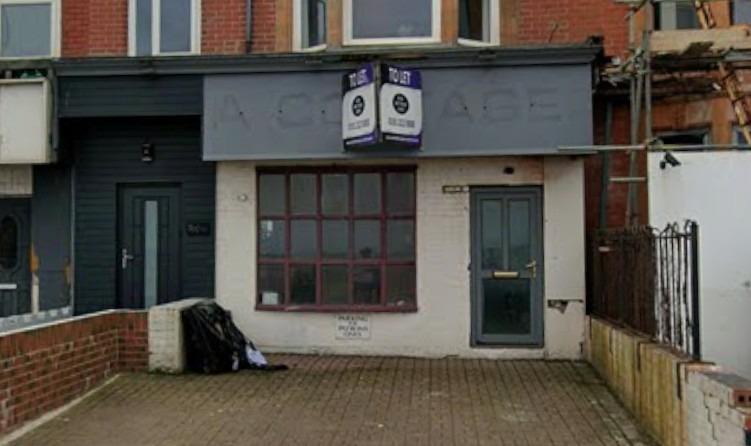
Pizza Cottage (Whitley Bay) Limited was incorporated in June 2016, with Temple serving as its sole director. The company traded as Pizza Cottage on East Parade in Whitley Bay, North Tyneside.

AD: Oysterian Sea Food Restaurant And Bar
When the government introduced Bounce Back Loans in May 2020, businesses were offered rapid access to financial support to help them weather the economic disruption caused by Covid-19. Eligible businesses could borrow between £2,000 and £50,000, subject to a maximum of 25 per cent of their annual turnover, with the government guaranteeing the loans to lenders.
Temple secured his first £50,000 loan in May 2020, shortly after the scheme launched. But instead of stopping there, he applied for a second loan just three days later, falsely declaring that it was the company’s only application under the scheme. The second application was approved, bringing the total borrowed to £100,000. The following month, Temple secured a third £50,000 loan after again falsely declaring that it was the company’s only Bounce Back Loan application.
The three loans brought the total to £150,000, three times the maximum amount available to an individual business under the scheme. On each application, Temple also declared that the funds would be used to benefit the company.
Investigators subsequently established that £131,419 of the £150,000 was not spent wholly for business purposes, raising serious questions about how the taxpayer-backed funding was used.Among the transactions uncovered was £11,090 spent through 46 gambling transactions from one of the company’s business accounts over a period of less than two weeks in July 2020.
Investigators also identified a £264 purchase of children’s toys and play equipment on 7 May 2020, just one day after the first £50,000 loan had been paid into the company’s account.
The findings illustrate the scale of the alleged misuse of funds that were supposed to provide a financial lifeline to businesses facing extraordinary disruption. The scheme was designed to help companies pay essential costs, maintain operations and survive a period when lockdown restrictions had severely affected trading across the hospitality sector.
Instead, the Insolvency Service found that the majority of the money obtained by Temple was not spent wholly for business purposes. The investigation’s finding does not mean that every pound of the loans was spent privately, but it establishes that £131,419 was not used wholly for the business purposes declared.
‘They Didn’t Check It Either’
When questioned about obtaining a second Bounce Back Loan after already receiving one, Temple acknowledged his wrongdoing during the investigation.
“I know it was my fault, I shouldn’t… I should tell them it was my second, but they didn’t check it either,” he told investigators.
The remark points to the weakness that fraudsters could exploit in an emergency lending system built around speed and declarations made by applicants. The government introduced Bounce Back Loans to get money to businesses quickly, with lenders relying heavily on information supplied by applicants rather than conducting the extensive checks normally associated with commercial lending.
That approach helped businesses access money rapidly during the pandemic, but it also exposed the public purse to significant losses when applicants made false declarations or misused the funds. Temple pleaded guilty to three counts of fraud by false representation at North Tyneside Magistrates’ Court in September 2026. He was subsequently jailed for two years at Newcastle Crown Court.
The sentence sends a clear warning that fraudulent applications for emergency government-backed support can lead to criminal prosecution and imprisonment, even when the scheme was introduced during an unprecedented national crisis.
The criminal proceedings are not the end of the matter. The Insolvency Service has confirmed that it is seeking to recover the fraudulently obtained funds under the Proceeds of Crime Act 2002.
David Snasdell, the agency’s chief investigator, said Temple had exploited a scheme designed to support businesses through the pandemic by securing three loans when his company was entitled to only one. He said company funds were subsequently spent on gambling and children’s toys and play equipment, despite Temple declaring that the money would benefit the business.
“Our work does not stop at securing a conviction,” Snasdell said, adding that the agency was also seeking to recover the money and return funds to the public purse.
The recovery process is significant because a criminal sentence alone does not restore public money lost through fraud. Any successful recovery could help return funds to the public purse, although the amount ultimately recovered will depend on the outcome of the proceedings.
The case also demonstrates the continuing work of the Insolvency Service in investigating the conduct of company directors and pursuing action where businesses have been used to obtain financial support improperly. Temple had already faced action over his conduct before the criminal case reached court. In 2024, he was disqualified from acting as a company director for 12 years following civil investigations by the Insolvency Service.
Director disqualification is intended to prevent individuals whose conduct makes them unfit to manage companies from holding company directorships for a specified period. It is separate from criminal proceedings, meaning a director can face civil restrictions as well as prosecution where the evidence supports both forms of action.
The earlier disqualification adds to the significance of the latest case, which concerns the deliberate submission of multiple loan applications and the subsequent use of company funds.
For businesses that complied with the rules, the Bounce Back Loan scheme represented a crucial source of support during a period of uncertainty. The misuse of that support risks undermining confidence in public assistance programmes and places an additional burden on taxpayers.
Accountability After the Pandemic
The case against Temple serves as a reminder that emergency financial support was public money, even when it was distributed through commercial lenders and made available through simplified application processes. Thousands of businesses relied on government-backed loans to meet costs, protect jobs and continue trading during the pandemic. The system’s speed was central to its purpose, but the financial consequences of false declarations and misuse have continued long after the immediate crisis ended.
Temple’s two-year prison sentence marks a significant stage in the proceedings, but the Insolvency Service’s efforts to recover the funds will determine whether any of the money can be returned to the public purse.
The central facts are stark: three £50,000 loans were secured for one pizza business, investigators found that £131,419 was not spent wholly for business purposes, and the company’s director has been jailed after admitting three fraud offences. The case is not simply about one business owner and one set of loan applications. It is about accountability for emergency funds introduced in the national interest and the consequences when those funds are obtained through false representations.
The government-backed scheme was intended to help businesses survive an extraordinary crisis. In Temple’s case, the criminal proceedings have established that its rules were deliberately breached. His imprisonment now sends a warning that emergency support cannot lawfully be treated as a personal windfall—and that the authorities will continue pursuing those who exploit public assistance for improper purposes.

AD: Heritage And Restaurant Lounge Bar