
By Theodore Brooen-
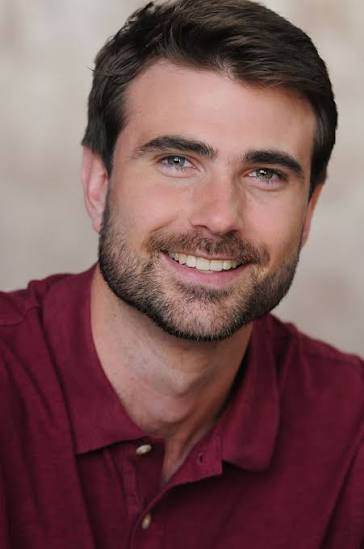
Three months after a devastating motorway crash left him with a traumatic brain injury, fractured bones and serious nerve damage, Netflix actor Clayton Conroy (pictured)has offered an emotional update on his recovery, telling fans that even the darkest periods can eventually become brighter.
The 32-year-old actor, known for playing Padre Terry in Netflix’sThe Gringo Hunters, was driving home in April when his life changed in an instant. According to Conroy, he noticed lights approaching rapidly behind him before losing consciousness. His next memory was waking up in hospital.

AD: Capeesh Restaurant
The crash occurred on April 19, 2026, on the eastbound I-10, or Santa Monica Freeway, near La Brea Avenue in Los Angeles. The California Highway Patrol later said its investigation determined that another driver’s reckless actions contributed to the collision, leaving another motorist with major injuries.
The profound consequences for the actor were evident to see. He underwent brain surgery after suffering a traumatic brain injury and also sustained injuries including a fractured shoulder and hip. In a post published in July, he revealed just how close he believed he had come to death.

AD: Oysterian Sea Food Restaurant And Bar
“Had brain surgery. Was supposed to die,” Conroy wrote.
He said he had spent his birthday in hospital, lost account of physical injuries. It was a reflection on how quickly an ordinary journey home can become a fight 20 pounds, suffered severed nerves in his arm and fractured bones in his leg, and was still unable to walk three months after the crash.
The message was not simply an account of physical injuries. It was a reflection on how quickly an ordinary journey home can become a fight for survival. Now, months later, Conroy says he is beginning to see progress.
In a video posted to Instagram on September 20, he told followers that he was finally feeling well enough to speak publicly about his condition. His message was aimed beyond his own experience, offering encouragement to people who may be enduring their own periods of darkness.
“I just wanted to hop on, and say that you might have dark times,” he said. “There might be dark days, dark months even. But it does get better, and don’t be afraid to ask for help if you need it.”
His accompanying caption carried a similarly simple message: “Work for it it’ll get better.” The words take on added weight when set against what Conroy has endured since April.
He has described waking up in hospital with little memory of the crash itself. Speaking to the Santa Cruz Sentinel, he recalled the road appearing completely normal before he noticed lights coming towards him at speed.
“The road was looking as normal as it could, just lights on the road behind me,” he said. “I did, perhaps, notice certain lights approaching quickly. From there, I woke up in the hospital.”
The experience has left him conscious that his life could have taken a very different course. Conroy said he feels “different” following the crash but also described himself as “lucky and happy”, recognising that the consequences could have been even worse.

Clayton Conroy has given first update about his recovery Image: AP
“I’m trying not to take things for granted,” he said. That sentiment has become one of the strongest themes in his recovery.
For someone accustomed to the controlled environment of film and television production, the randomness of a road collision can be particularly difficult to comprehend. There is no script, no warning and no opportunity to rehearse what comes next. One moment, a person is driving home.
The next, they are undergoing emergency treatment and facing months of rehabilitation. The legal consequences of the crash have also begun to emerge.
On August 26, the California Highway Patrol’s Central Los Angeles Area announced that officers had arrested a driver in connection with the collision. The CHP said its investigation had determined that reckless driving contributed to the April 19 crash and that the other motorist suffered major injuries.
According to the CHP, its Southern Division Major Crimes Unit arrested the alleged driver on August 25. The suspect was charged with felony reckless driving causing major injuries in connection with the collision.
The CHP’s statement also offered a stark warning about the consequences of dangerous behaviour on the road.
“This incident is another reminder that reckless driving is not only dangerous, it can have devastating and life-changing consequences,” Captain Martin Geller said.
He urged motorists to slow down, drive responsibly and avoid behaviour that could put another person’s life at risk. Those words are no abstraction for Conroy. His recovery is now taking place alongside a criminal case stemming from the collision that changed his life. Yet there has been another, more human side to his journey.
Despite being confined to hospital and confronting injuries that temporarily robbed him of his ability to walk, Conroy retained his sense of humour. Among his social-media posts were humorous AI-generated images depicting famous personalities visiting him at his hospital bedside, including Lady Gaga, Melania Trump and Sabrina Carpenter.
The jokes provided a glimpse of the personality behind the actor’s public image. But beneath the humour is a much more serious reality. In July, Conroy had already told his followers that he had been forced to confront mortality at an extraordinarily young age. Now, his latest update suggests that his story is gradually moving from survival towards recovery. There is still a long road ahead.
Brain injuries can require extensive rehabilitation, while nerve damage and fractures can impose their own physical and emotional challenges. Conroy’s own comments make clear that recovery has not been quick: three months after the crash, he was still unable to walk.
But his latest message is markedly different from the one he delivered from his hospital bed. Then, he was documenting what had been taken from him. Now, he is talking about what can still be rebuilt.
His story reflects the fragile boundary between an ordinary day and a life-changing event. A journey that should have ended with a person arriving home instead ended with brain surgery, a hospital stay and months of rehabilitation.
The criminal investigation may determine responsibility for what happened on that stretch of Los Angeles freeway. Conroy is likely confronting a different question — what to do with the life that remains.

AD: Heritage And Restaurant Lounge Bar