
Charlotte Webster-
A fresh fundraising appeal has been launched to help the National Trust acquire 138 hectares surrounding the iconic chalk figure known as the Cerne Abbas Giant an effort aimed at preserving its landscape, wildlife, and heritage for future generations. While the Trust has already committed over £2 million to the purchase, the final £330,000 must come from public donations.
Campaigners warn that without successful fundraising, the area risk being sold into private hands potentially restricting access and threatening the natural environment that shields both the Giant and fragile species living there.

AD: Capeesh Restaurant
The appeal has drawn support from prominent public figures, including actor Stephen Fry and broadcaster Sean Fletcher, who are urging people across the country to contribute.
The urgency reflects growing concern that the open, chalk-downland landscape surrounding the Giant long part of the local environment could face development or fragmentation if left unprotected.
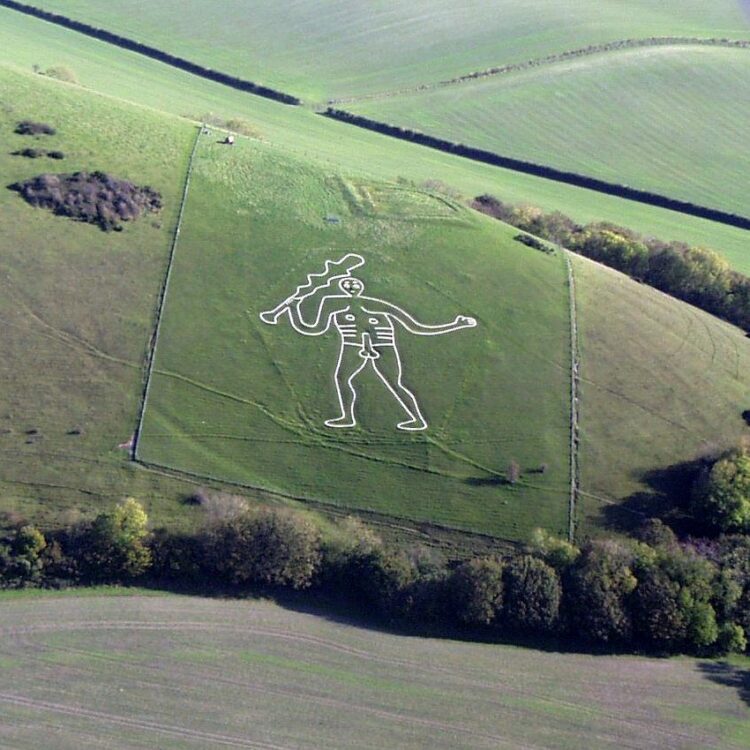
The Cerne Abbas Giant is no ordinary landmark. Carved into the chalk of Giant Hill high above the village of Cerne Abbas in Dorset, the figure stretches 55 metres long and is one of Britain’s most recognisable hill figures. He has stood under the care of the National Trust since 1920 and is protected as a Scheduled Monument.

AD: Oysterian Sea Food Restaurant And Bar
But the Giant is inseparable from the surrounding landscape a chalk-downland ecosystem rich with biodiversity and ecological nuance. The land proposed for acquisition is designated a Site of Special Scientific Interest and is home to species such as the rare Duke of Burgundy butterfly and dozens of other insects, plants, and small mammals.
The grassland habitat, maintained through careful grazing and chalk-management, forms a delicate balance: preserving visibility of the Giant’s chalk lines while nurturing one of Europe’s most distinctive natural environments.
Securing this land into Trust ownership would allow for long-term conservation including chalk-grassland restoration, woodland creation, and habitat connectivity enhancement, which could prove vital as species struggle to adapt to climate change.
It would also protect archaeological continuity: the surrounding hills show evidence of human activity stretching back thousands of years, with Bronze Age burial mounds and earthworks close to Giant Hill.
Supporters describe the appeal as a rare chance to protect not just a tourist attraction but a living landscape where heritage, nature, and community access intersect. “This is a very rare opportunity to protect a huge swathe of beautiful and biodiverse countryside surrounding the Cerne Abbas Giant,” Stephen Fry said in a video endorsement released by the Trust.
What’s at Stake & What the Trust Plans
The land surrounding the Giant is currently in private hands. While the existing owner has cooperated with the National Trust, there is no guarantee it will remain so. Without new ownership and stewardship, the land could be sold, leased, or developed potentially fragmenting the chalk grassland, restricting public access and undermining both ecological and archaeological protection.
The National Trust’s plan if the appeal succeeds is to enshrine the land’s protection under its stewardship. Once in Trust hands, the area would be managed under strict environmental and heritage guidelines. That includes controlled grazing with sheep (to maintain the chalk downland without damaging the chalk figure), careful maintenance of fences to keep out destructive animals, periodic re-chalking of the Giant’s outline, and monitoring of wildlife populations.
Volunteers and rangers currently perform dozens of tasks each year to preserve both the Giant and the surrounding habitats.
Public donations are being incentivised with symbolic rewards: donors may receive commemorative badges, or invitations to participate in future upkeep events such as re-chalking. The Trust hopes to raise the full £330,000 by January 2026, to coincide with an annual visibility window when the Giant is easiest to see and to avoid any risk of development or sale in the interim.
Community groups, conservation organisations and heritage advocates are urging everyone with fond memories of the Giant, or a stake in preserving Britain’s natural and historical landscapes, to contribute. They argue that this isn’t simply about nostalgia, but preventing long-term damage to ecosystems, wildlife corridors, and public heritage.
The story of the Cerne Giant reflects a broader conversation in the UK about how to protect landscapes that encompass natural habitats, cultural heritage, and public access all at once. Chalk‐downland ecosystems are rare and fragile, susceptible to erosion, invasive species, agricultural pressures, and climate change. Losing contiguous land around a monument risks destroying ecological connections that allow species to thrive.
At the same time, open access to countryside is a cherished part of British national life. The Giant has long been a place for walkers, families, school trips and tourists. Allowing private ownership risks restricting that access, or at least limiting it depending on future land use. Supporters of the appeal emphasise that the National Trust’s stewardship ensures guaranteed public access, long-term maintenance and open heritage.
Opponents of large-scale public-land acquisition sometimes raise concerns about cost, management overheads and restrictions on private land use. But the Trust has framed this as an investment not just in a landscape, but in nature restoration, biodiversity, cultural memory, and public wellbeing.
With the ecological challenges posed by climate change, they argue, conserving large tracts of semi-natural land is more important than ever.
For those who cherish the Giant’s bold, chalk-white presence on the hillside, his future is now linked directly to the success of this appeal. If the fundraising target isn’t reached, the land may return to private hands a move that could jeopardise the delicate balance between chalk line, wildlife habitat, and public enjoyment.
Public support will determine whether the Cerne Giant retains not just his chalk outline, but the living landscape that gives him meaning. Should the appeal succeed, future generations may continue to see the Giant rising white against Dorset’s rolling hills a symbol not only of ancient heritage, but of collective action to protect nature and history.

AD: Heritage And Restaurant Lounge Bar