
By Isabelle Wilson-
Across Michigan, a familiar item on dinner plates has suddenly become the focus of an urgent public health investigation. Lettuce, long considered a symbol of fresh eating and healthy choices, is now at the center of a growing mystery as officials investigate a record-setting surge of cyclosporiasis cases linked to the microscopic parasite Cyclospora.
The outbreak has turned a common kitchen staple into a key piece of a widening public health investigation, as Michigan officials search for answers behind a record rise in Cyclospora infections. Reports notes that health officials are investigating lettuce and other salad greens as a possible source after these foods were frequently reported among people who fell ill. While the findings have raised concerns about contaminated produce, investigators have emphasised that no specific farm, supplier, or product has been confirmed as the cause of the outbreak.

AD: Capeesh Restaurant
In mid-July 2026, Michigan had reported thousands of infections, making the state one of the hardest-hit areas in the nation. The number of cases has climbed far beyond what health officials typically see in an entire year, prompting expanded investigations involving state and federal agencies.
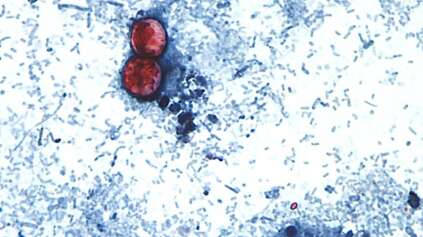
Cyclospora is not a virus or bacteria but a parasite that infects the intestinal tract. People usually become sick after consuming food or water contaminated with the organism. The illness can cause persistent watery diarrhea, stomach cramps, nausea, fatigue, and loss of appetite. While many patients recover with treatment, symptoms can continue for weeks if the infection is not diagnosed and treated properly.
With Michigan residents, the outbreak has created an unsettling question: how did a parasite usually associated with smaller clusters of illness become part of a record-breaking public health event? The investigation has followed a complicated path through the modern food system, where a single ingredient can travel from farms to distributors, restaurants, grocery stores, and kitchen tables across multiple states.

AD: Oysterian Sea Food Restaurant And Bar
Health officials say early evidence has pointed toward lettuce or salad greens as a possible source because the foods appeared frequently during patient interviews. Bagged salads and pre-cut greens are receiving particular attention because they are widely distributed and often consumed without additional preparation. Still, investigators have warned that other foods cannot yet be ruled out.
Tracing the origin of Cyclospora outbreaks is often difficult. Unlike some foodborne illnesses that can be quickly linked through laboratory testing, identifying a contaminated produce item may require comparing thousands of patient histories, supply chains, and food distribution records. A person who eats a salad days before becoming sick may have difficulty remembering where the ingredients came from, especially if the same produce moved through several retailers and restaurants.
The Michigan Department of Health and Human Services has urged residents to take precautions while the investigation continues. Officials recommend careful handling of fresh produce, including washing whole lettuce and paying attention to public health updates regarding prepared salad products.
The outbreak has also drawn national attention because infections have appeared across numerous states. Public health authorities are examining whether some cases are connected or whether several separate sources may be contributing to the unusually high number of illnesses reported this year. With detectives, each interview has become part of a bigger puzzle. A restaurant meal, a salad bought from a supermarket, or a refrigerated packaged greens item might offer the crucial clue required to pinpoint the contamination source.
The scale of Michigan’s outbreak has placed additional pressure on health departments already tasked with tracking foodborne illnesses and protecting communities. Officials have emphasized that while Cyclospora infections are generally treatable, recognising the illness quickly is important because routine testing may not always detect the parasite unless specialised testing is requested.
The symptoms can also create confusion. Severe diarrhea and stomach discomfort are common signs of many gastrointestinal illnesses, meaning some people may delay seeking medical attention or assume they have a temporary stomach bug. Health experts encourage anyone experiencing prolonged diarrhea or related symptoms to contact a healthcare provider.
The outbreak arrives at a time when food safety officials are increasingly focused on the challenges of tracking contamination in a globalised food network. Fresh produce moves quickly across borders and supply chains, creating both economic efficiency and investigative difficulty when something goes wrong. Although lettuce remains a leading suspect, officials have repeatedly cautioned against drawing conclusions before the investigation is complete. Finding a possible food connection is only the beginning; confirming the exact source requires laboratory evidence and careful tracing.
Michigan residents now find themselves watching an ordinary grocery item with unusual caution. The salad bowl, once associated with simple wellness, has become the symbol of a larger public health investigation unfolding in real time. The mission is clear: identify the source, prevent additional illnesses, and restore confidence in the foods people rely on every day. Until that answer arrives, the search for the cause of the Cyclospora surge continues one interview, one sample, and one possible clue at a time.
Public health investigators, every piece of information matters. A conversation with a patient about what they ate days before becoming sick, a laboratory analysis of a suspected food sample, or a review of supply chain records could provide the breakthrough needed to understand how the parasite spread. Unlike some foodborne outbreaks that can be traced quickly, Cyclospora investigations often require patience because the parasite’s long incubation period makes it difficult to connect an illness to a specific meal or product.
The investigation also highlights the challenges of maintaining food safety in an increasingly connected food system. Fresh produce can travel through multiple stages before reaching consumers, moving from farms to processing facilities, distributors, restaurants, and grocery stores. Each step creates another opportunity for investigators to examine where contamination may have occurred and how future outbreaks can be prevented.
Michigan residents, the outbreak has brought renewed attention to food handling practices and awareness of symptoms associated with Cyclospora infections. Health officials continue encouraging people to report prolonged gastrointestinal symptoms and seek medical guidance when necessary.
Early detection not only helps patients receive appropriate treatment but also provides investigators with valuable information that can help identify patterns. Officials face the larger challenge of rebuilding public trust. Consumers want reassurance that the foods they purchase and serve to their families are safe. That confidence depends on transparent communication, careful investigation, and effective prevention strategies.
Scientists and health officials continue following the trail of evidence, the goal remains focused on protecting communities and preventing future outbreaks. Each interview completed and every sample examined brings investigators closer to solving the mystery behind the Cyclospora surge and ensuring that everyday foods can return to being symbols of health rather than sources of concern.

AD: Heritage And Restaurant Lounge Bar