
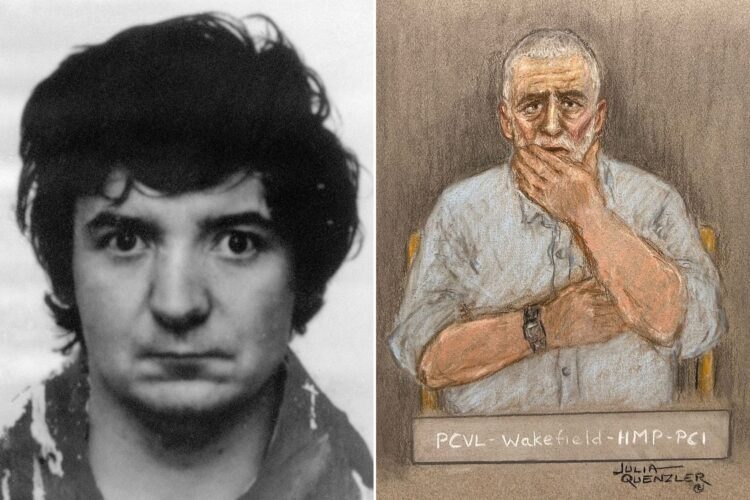
Coerced Confession Under Intense Pressure
By Lucy Caulkett-
Peter Sullivan, now 68, has spoken publicly about the ordeal that began nearly four decades ago when he was arrested and later convicted of the 1986 murder of Diane Sindall in Merseyside. After the Court of Appeal overturned his conviction, he revealed that police interrogators pressured him relentlessly until he confessed to a crime he maintains he did not commit.

AD: Capeesh Restaurant
Sullivan explained that investigators questioned him for hours and continued to push for answers even after he tried to retract the confession they had coerced. He said he felt vulnerable and isolated, and he did not receive the proper legal support that should have been provided during the questioning. According to his legal team, these conditions created an environment in which Sullivan felt he had no option but to comply with the officers’ demands.
During the appeal hearing, Sullivan wept as judges acknowledged the severe flaws in the original investigation. Outside the court, he stated that he had lost his liberty for almost four decades because of a system that failed to protect him from coercive and unfair treatment.
New DNA Evidence Proves Innocence

AD: Oysterian Sea Food Restaurant And Bar
The breakthrough that ultimately freed Sullivan came when the Criminal Cases Review Commission arranged for new DNA testing on crime scene samples that had been preserved since the investigation. Advanced forensic analysis revealed that none of the DNA found at the scene matched Sullivan’s profile, thereby undermining the foundation of the prosecution’s case.
The Court of Appeal ruled that the conviction was unsafe and immediately quashed the verdict. The judges concluded that the combination of unreliable evidence, including controversial bite-mark analysis, and the absence of Sullivan’s DNA made it clear he could not have committed the crime.
Sullivan expressed relief but also sorrow that so much of his life had been lost. He said that it was difficult to comprehend the years that had passed behind bars for a crime that new science shows he did not commit.
Legal Action Expected as Investigation Reopens
Sullivan’s legal team has announced plans to pursue a compensation claim, arguing that the errors made by the authorities represent a historic miscarriage of justice. His solicitor, Sarah Myatt, said the case exposed serious weaknesses in the investigative practices used at the time and stressed the urgent need for reforms that prevent vulnerable individuals from being coerced into false confessions.
Local authorities are expected to reopen the investigation into the killing of Diane Sindall now that Sullivan’s name has been cleared. Officials have acknowledged that the original inquiry relied heavily on flawed forensic methods and a confession obtained under questionable circumstances.
Sullivan’s case has renewed public debate about the treatment of suspects during police interrogations and the reliability of confessions extracted without proper safeguards. Many legal experts say the case highlights the importance of reviewing older convictions, especially those linked to outdated forensic techniques.

AD: Heritage And Restaurant Lounge Bar