
By Isabelle Wilson-
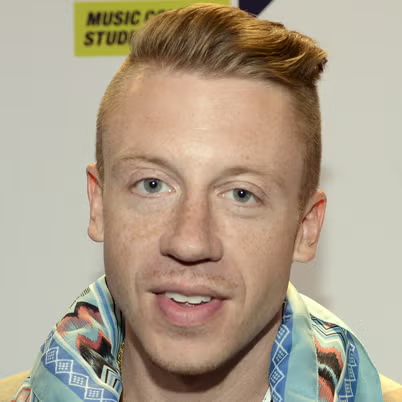
US rapper Macklemore has announced a new “Free Palestine” tour, days after being removed from Ed Sheeran’s US stadium tour following comments he made in support of Palestinians. The rapper will perform in Dublin, Paris and London in October, with further European and North American dates expected to be announced. Proceeds from the concerts will go towards organisations providing humanitarian, medical and other support to Palestinians.
The controversy began on 4 September, when Macklemore performed at New Jersey’s MetLife Stadium as an opening act for Sheeran. During his set, he spoke about the situation in Gaza and the occupied West Bank and called for a “Free Palestine”. He also performed his protest song “Hind’s Hall”, which was released in 2024 in response to the war in Gaza. His comments quickly attracted criticism from some Jewish advocacy groups and led to calls for him to be removed from the

AD: Capeesh Restaurant
Macklemore was subsequently dropped from the remaining US dates of Sheeran’s Loop tour. The decision followed objections from stadium owners and promoters, rather than an announcement that Sheeran himself had personally removed the rapper. Robert Kraft, whose company owns Gillette Stadium in Massachusetts, said Macklemore’s recent performances and what he described as a wider history of antisemitic rhetoric and imagery were factors in the decision. Macklemore has rejected accusations that his support for Palestinians is antisemitic.
Sheeran later addressed the controversy, saying the decision had been made by the tour promoter after venue owners objected to Macklemore appearing at their stadiums. He said he had attempted to find a solution but ultimately had no control over the decision. Sheeran has also spoken about the humanitarian situation in Gaza, describing it as “catastrophic and unjustifiable” during a concert in Philadelphia.
The dispute also affected the rest of Sheeran’s touring lineup. Several supporting acts, including Finneas, Lukas Graham, Aaron Rowe and the Irish group Beoga, withdrew from upcoming performances in solidarity with Macklemore. Their departures added to a wider debate within the music industry about freedom of expression and whether artists should be able to use major concert stages to address political and humanitarian issues. Macklemore has now used the controversy to launch a tour centred specifically on his support for Palestinians. Announcing the shows, he said that recent events had demonstrated the importance of musicians using their platforms to speak about issues beyond entertainment. The new concerts are intended not only to give him an opportunity to perform, but also to raise money and awareness for humanitarian organisations working with Palestinians.

AD: Oysterian Sea Food Restaurant And Bar
The first concert will take place at Dublin’s 3Arena on 26 October, followed by a show at Paris’s Accor Arena on 29 October and London’s OVO Arena Wembley on 30 October. The organisers have said that further North American dates will be announced. Macklemore is also expected to be joined by other musicians and friends, although the full line-up has not yet been confirm
A number of organisations are due to benefit from money raised through the tour, including groups providing medical, humanitarian and community assistance to Palestinians. Macklemore has previously pledged $1m from his touring earnings towards Palestinian relief efforts. The financial commitments have added another dimension to the controversy, shifting some attention away from the dispute over his removal and towards the practical impact of the fundraising.
The new tour comes as the dispute continues to attract attention beyond the music industry. Macklemore has received messages of support from some artists and activists, while critics have continued to question his decision to make political statements during concerts. The arguments have highlighted the difficulties faced by performers whose audiences include people with very different views on the Israel-Palestine conflict The controversy has also placed Sheeran in an increasingly difficult public position. While he has said he does not want his concerts to become political events, he has acknowledged the suffering caused by the conflict and spoken about his own opposition to violence against civilians. During his Philadelphia performance, he said he wanted his shows to remain spaces where people could come together despite having different political opinion.
There has also been a significant response from artists outside Sheeran’s original touring group. Welsh singer Charlotte Church publicly criticised Sheeran over the handling of the dispute, arguing that musicians have a responsibility to use their platforms to address humanitarian issues. Her comments reflect a broader disagreement among performers about whether remaining publicly neutral is possible when music tours become entangled in political controversies. The reaction has extended beyond concerts and social media. In Gaza, artists painted a mural of Macklemore wearing a Palestinian flag and raising his fist, describing the image as a tribute to his public support for Palestinians. The mural appeared among damaged buildings in Gaza City and became another symbol of the rapper’s growing association with the Palestinian cau
Macklemore has also continued to emphasise that the dispute should not be viewed simply as a disagreement between two musicians. In statements following his removal, he argued that the attention should instead remain focused on Palestinians affected by the conflict. Sheeran, meanwhile, has maintained that he did not make the decision to remove Macklemore and has said that the final decision belonged to the tour promoter and venue owners. The disagreement has evidently developed into a much larger conversation about the relationship between music, politics and freedom of expression. For Macklemore, the controversy has resulted in a new tour built around an issue he has publicly supported for several years. For Sheeran, it has forced him to address a political issue he has generally avoided discussing in such a prominent way during his career.
The “Free Palestine” tour now gives Macklemore an independent platform at a time when attention surrounding his political views has reached an international audience. With the first European dates scheduled for October and more shows expected to follow, the concerts are likely to combine music with fundraising and political activism. The dispute that began with two words spoken on a stadium stage has consequently developed into a much broader debate about what audiences, artists, promoters and venues expect from live music.

AD: Heritage And Restaurant Lounge Bar