
By Ben Kerrigan-
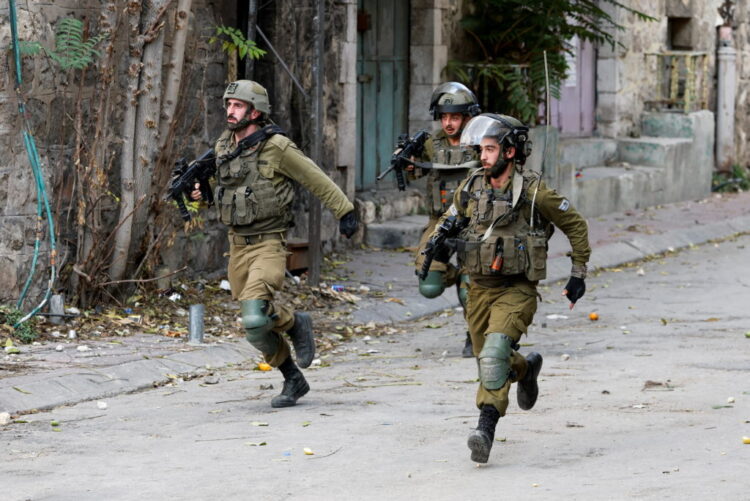
Israeli forces have killed two Palestinian men in the occupied West Bank during an incident that has drawn widespread criticism from human rights organisations. The attack, which occurred in the early hours of Wednesday, has intensified concerns about the use of lethal force in the context of Israel’s ongoing military operations and the treatment of Palestinians in areas under occupation.
According to eyewitnesses and local residents, the two Palestinian men, identified as 22-year-old Ahmad Khalil and 19-year-old Samir Abu Hamed, were reportedly attempting to surrender when they were shot by Israeli soldiers in the Jenin refugee camp. Witnesses claim the men raised their hands and approached the soldiers in a gesture of surrender, but were nonetheless shot at close range.

AD: Capeesh Restaurant
Israeli authorities provided a different account, stating that the men were “armed and posed an imminent threat” to soldiers conducting a raid in the area. The military said the soldiers acted in “self-defense” after the men allegedly fired shots and attempted to evade capture.
No independent evidence has yet confirmed either version, but local human rights groups have condemned the killings as “extrajudicial executions.”
The incident is the latest in a series of lethal confrontations in the West Bank, where Israeli forces regularly conduct raids in search of suspected militants. Over the past year, military operations in the area have intensified, coinciding with an uptick in attacks against Israeli civilians and soldiers.

AD: Oysterian Sea Food Restaurant And Bar
These raids have resulted in the deaths of dozens of Palestinians, many of whom human rights organisations say were not actively engaged in hostilities at the time of their killing.
Human rights observers argue that Israel’s use of lethal force in the West Bank often contravenes international law. The International Committee of the Red Cross and other watchdogs have repeatedly stated that Palestinian civilians and those attempting to surrender must be protected under the Geneva Conventions.
The killing of individuals appearing to surrender, they contend, could constitute a war crime.
Local hospitals reported that both men were shot multiple times and died on the scene. Their families have demanded accountability and have accused Israeli forces of deliberate targeting, while Israeli officials maintain that the soldiers acted appropriately under “high-risk operational conditions.”
The killings have sparked outrage among Palestinians and prompted widespread condemnation from human rights organisations. Amnesty International called for an independent investigation into the circumstances surrounding the deaths, stating that the incident “raises serious questions about Israel’s adherence to international human rights law.”
Human Rights Watch also urged the United Nations to intervene, highlighting “a pattern of impunity for Israeli forces involved in unlawful killings.”
The Palestinian Authority has condemned the killings as “state-sanctioned violence” and has called on the international community to hold Israel accountable. Palestinian leaders have stressed that continued military operations and the excessive use of force only exacerbate tensions and undermine prospects for peace.
On the Israeli side, the government has defended the military’s actions, citing security concerns and the ongoing threat posed by armed groups in the West Bank. Prime Minister Benjamin Netanyahu emphasized the need to protect soldiers and civilians, while urging restraint and warning against what he described as “misinformation” about the events in Jenin.
International reactions have been mixed. The United States, a key ally of Israel, called for “a thorough investigation” and reiterated its commitment to Israel’s security, while also expressing concern about reports of excessive force. European countries, including Germany and France, condemned the killings and called for de-escalation in the West Bank to prevent further violence.
The incident also highlights the broader context of Israeli-Palestinian tensions, which have escalated in recent months amid settler expansion, military raids, and retaliatory attacks. Analysts warn that repeated incidents of lethal force may further inflame resentment and contribute to cycles of violence that undermine efforts toward a negotiated settlement.
Civil society groups and local communities have organized protests in the West Bank following the killings, demanding justice for the two men and calling for an end to what they describe as a “systematic pattern of extrajudicial killings.” Security forces have responded with tear gas and arrests, leading to additional clashes in several areas.
As investigations continue, questions remain about the rules of engagement employed by Israeli forces during raids and the mechanisms for accountability when civilians or individuals attempting to surrender are killed. Legal experts emphasize that establishing the facts on the ground is crucial to determining whether violations of international law occurred and what actions, if any, should be taken against those responsible.
Broader Implications for the Israeli-Palestinian Conflict
The deaths of Ahmad Khalil and Samir Abu Hamed underscore the fragile nature of security and civil rights in the occupied territories. Each incident of lethal force contributes to deepening mistrust and fuels narratives of victimhood and oppression on both sides, complicating diplomatic efforts and dialogue initiatives.
Human rights advocates argue that without meaningful accountability and reforms to military protocols, similar incidents are likely to recur. They stress the importance of independent investigations and judicial oversight to ensure that soldiers and commanders comply with international law, particularly in areas with civilian populations.
For Palestinian families and communities, incidents such as these are not isolated events but part of a long-standing pattern of military operations that often result in civilian casualties. Psychologists and social workers have highlighted the lasting trauma experienced by residents in areas affected by repeated raids, including heightened anxiety, fear of arbitrary arrest, and disruption to daily life.
The international community faces a complex challenge in balancing Israel’s security concerns with the human rights of Palestinians. While Israel maintains that its military actions are defensive and necessary, advocates stress that adherence to international norms is essential to prevent further escalation and maintain credibility on the world stage.
Analysts note that incidents of this nature may also have political repercussions within Israel, influencing public opinion and shaping debates around military oversight, accountability, and policy toward the occupied territories. The handling of investigations and potential legal proceedings will likely impact both domestic politics and Israel’s relationships with key allies.
As the region continues to navigate a volatile environment, the killings of these two Palestinians serve as a stark reminder of the human cost of prolonged conflict. The international community, civil society, and legal bodies will be closely monitoring the response of Israeli authorities to determine whether justice is pursued and whether measures are implemented to prevent future deaths under similar circumstances.
In conclusion, the deaths of Ahmad Khalil and Samir Abu Hamed highlight ongoing concerns about the use of lethal force, civilian protection, and accountability in the Israeli-Palestinian conflict. The incident underscores the urgent need for transparent investigations, respect for human rights, and a renewed focus on diplomatic efforts to reduce tensions and prevent further loss of life.
The case also raises broader questions about the balance between security and legal obligations under international law, reminding all parties that the lives of civilians caught in conflict zones must be safeguarded.
This latest episode is likely to remain a flashpoint for advocacy groups, international observers, and policymakers as efforts continue to address both immediate human rights concerns and the long-term resolution of the Israeli-Palestinian conflict.

AD: Heritage And Restaurant Lounge Bar