
By Lucy Caulkett
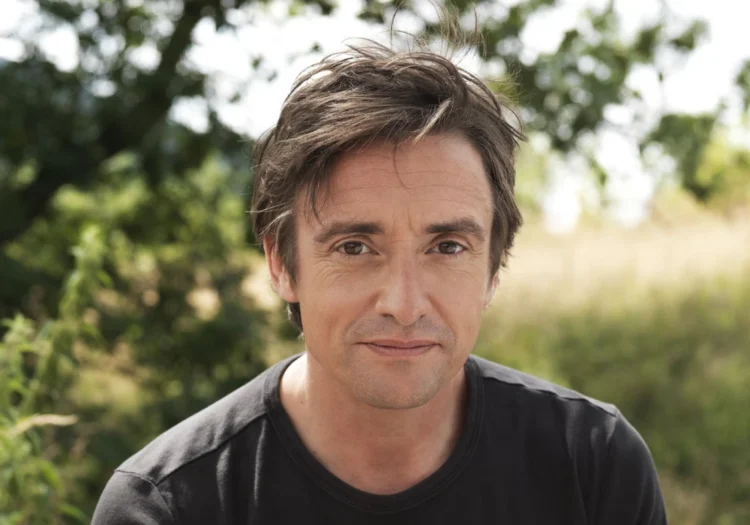
yelevision presenter, Richard Hammond best known for his years behind the wheel on Top Gear and The Grand Tour, has been fined after admitting two speeding offences committed within the space of just three weeks. The 56-year-old motoring personality pleaded guilty through his legal representatives after being caught exceeding the speed limit on two separate occasions in Herefordshire during December last year. The offences, involving two high-performance luxury cars, resulted in Hammond receiving seven penalty points on his driving licence and financial penalties totalling £1,771. The case has once again placed one of Britain’s most recognisable motoring figures under the spotlight, highlighting the contrast between Hammond’s long-standing public persona as an enthusiastic driver and the legal responsibilities faced by every motorist on Britain’s roads.
According to proceedings heard at Telford Magistrates’ Court, Hammond was first detected on 2 December while driving a Porsche Taycan Cross Turismo along the A40 near Pencraig. A handheld speed camera operated by West Mercia Police recorded the vehicle travelling at 68mph in a 50mph speed limit.

AD: Capeesh Restaurant
Less than three weeks later, on 22 December, Hammond was again found to be travelling above the legal limit. This time, his Bentley Continental GT was recorded at 82mph on the A50 Rudhall Overbridge, where the speed limit was 70mph. Prosecutors relied on speed camera evidence and police records to bring both cases before the court. Hammond admitted the offences through his solicitor rather than attending in person. Magistrates imposed two separate fines of £333 and £666, together with court costs of £240 and victim surcharges totalling £532. The combined financial penalty amounted to £1,771, while Hammond also received seven penalty points on his licence.
The court heard that police initially experienced difficulties contacting Hammond after notices relating to the speeding offences were sent to addresses linked to his property portfolio. Correspondence dispatched to his Herefordshire properties was reportedly returned marked “addressee gone away”, prompting officers to make further enquiries before eventually locating him at another address in Monmouthshire.Additional allegations that Hammond had failed to identify the driver and had not responded to official correspondence were ultimately withdrawn after his legal team maintained that he had completed and posted the required documentation identifying himself as the driver. Although the speeding offences themselves are relatively routine matters before magistrates’ courts, Hammond’s celebrity status ensured the case attracted considerable public attention.
For more than two decades Hammond has been one of Britain’s best-known television presenters, first rising to prominence alongside Jeremy Clarkson and James May on BBC’s Top Gear. The trio later reunited for Amazon Prime Video’s The Grand Tour, becoming internationally recognised for their blend of car reviews, road trips and comedic adventures.

AD: Oysterian Sea Food Restaurant And Bar
Hammond’s career has frequently centred on high-performance vehicles and fast driving, albeit usually in controlled filming environments. His enthusiasm for cars has become a defining feature of his broadcasting career, making news of motoring offences particularly notable among viewers familiar with his work.
The presenter is no stranger to the risks associated with speed. In 2006 he suffered life-threatening injuries during the filming of Top Gear after crashing a jet-powered dragster while travelling at extremely high speed on a closed runway. Hammond spent time in intensive care recovering from serious brain injuries before eventually returning to television.
That accident remains one of the most dramatic incidents in British television history and fundamentally shaped public perceptions of Hammond, whose recovery was widely followed by viewers across the country.
Despite his professional association with high-performance motoring, road safety campaigners have consistently argued that public figures with significant influence should demonstrate responsible driving behaviour away from television cameras.
Speeding remains one of the leading contributory factors in fatal and serious collisions across the UK. Police forces continue to carry out enforcement campaigns using fixed cameras, mobile camera units and handheld speed detection devices aimed at reducing casualties on Britain’s roads.
Under UK law, penalties for speeding vary depending on the severity of the offence, the driver’s previous record and the circumstances of each case. Courts may impose fines, penalty points or, in more serious situations, disqualify motorists from driving altogether.
In Hammond’s case, magistrates opted to issue penalty points and financial sanctions rather than a driving ban.
The ruling serves as a reminder that celebrity status provides no exemption from road traffic legislation. Whether driving an everyday family hatchback or a luxury grand tourer worth well into six figures, motorists remain subject to exactly the same legal limits and enforcement procedures. While many fans continue to associate him with ambitious cross-continental road trips, supercar reviews and daring motoring challenges, the latest headlines concern a far more ordinary legal matter faced by thousands of drivers every year. The court’s decision concludes proceedings over the December offences, with Hammond having accepted responsibility by entering guilty pleas through his solicitor.

AD: Heritage And Restaurant Lounge Bar