
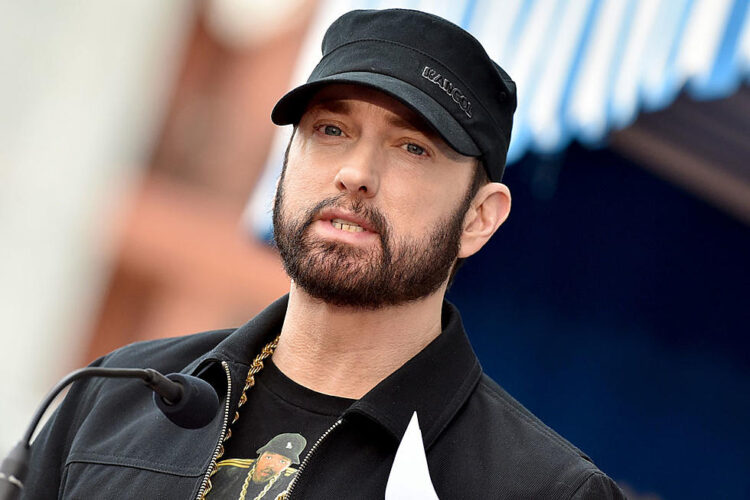
Brilliant US rapper, Eminem, (Marshall B. Mathers III) has initiated legal proceedings against the Australian beachwear company Swim Shady, alleging that the brand has infringed on his internationally recognized “Slim Shady” persona. According to filings submitted to the US Patent and Trademark Office (USPTO), Eminem claims that Swim Shady’s trademark is “highly confusingly similar” to his own, creating potential consumer confusion and misrepresenting his brand.
Swim Shady, launched in December 2024, specializes in portable beach umbrellas, towels, swim bags, and sun-protection accessories. Its co-founder, Jeremy Scott, stated the name reflects the company’s mission to provide practical, stylish shade for beachgoers under the harsh Australian sun. “We never intended any connection with Eminem or his persona,” Scott said.
Eminem’s legal team contends that his “Slim Shady” identity is now “distinctive and famous worldwide,” linking it uniquely to the rapper and his music career. They argue that Swim Shady’s branding could mislead consumers into believing there is an official endorsement or collaboration. The dispute is currently active in both US and Australian trademark offices.

AD: Capeesh Restaurant
This lawsuit fits a broader pattern of Eminem aggressively defending his intellectual property. Over the past two decades, the rapper has successfully challenged unauthorised uses of his name and likeness across merchandise, music, and media. Previous cases include action against clothing companies selling bootleg Slim Shady apparel and digital platforms misusing his branding for commercial gain.
Trademark experts note that Eminem’s approach is typical for high-profile artists seeking to protect their brand equity. “Artists like Eminem recognise that their name and persona are more than just creative identities—they’re commercial assets,” said Laura Freeman, an entertainment lawyer. “Even a small brand using a similar name can create legal and marketing complications.”
Swim Shady’s legal team, Meyer West IP, has indicated it will contest the claims vigorously, arguing that the brand operates in a different industry and that its name clearly communicates its beachwear focus rather than any connection to the rapper. However, the outcome could set important precedent for how far famous personalities can control similar names across unrelated industries.

AD: Oysterian Sea Food Restaurant And Bar
Analysts suggest the case highlights a growing tension between global celebrities and small businesses in an age where intellectual property laws increasingly intersect with branding and online marketing. “This isn’t just about a name—it’s about perception and reputation in a crowded marketplace,” Freeman added.
For Eminem, protecting the Slim Shady persona is not just a legal matter; it’s a way to preserve the authenticity of his public image. For Swim Shady, the case tests the limits of how far a small brand can go before triggering disputes with global icons. The court’s decision will likely resonate across both music and consumer goods industries worldwide.

AD: Heritage And Restaurant Lounge Bar