
By Aaron Miller-
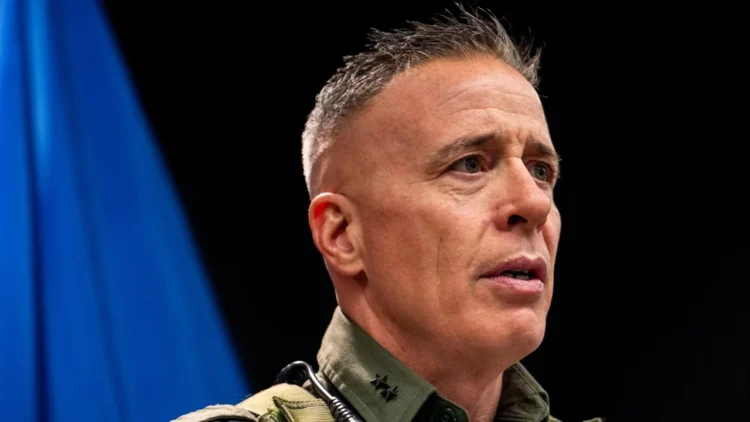
In the wake of national outrage and intensifying protests over the fatal shooting of Alex Pretti by a U.S. Border Patrol agent in Minneapolis, the influential federal immigration enforcement official at the center of the controversy is expected to depart the city.

AD: Capeesh Restaurant
Pretti, a 37-year-old ICU nurse and Minneapolis resident, was shot and killed by a federal agent on January 24 during a federal immigration enforcement operation.
The incident the second fatal shooting by federal agents in Minneapolis in less than a month has sparked widespread backlash, prompted multiple investigations, and intensified debates over the role of federal law enforcement in domestic cities.
Critics have assailed the federal response to the shooting, saying conflicting official narratives and repeated assertions that Pretti posed an imminent threat have deepened divisions.

AD: Oysterian Sea Food Restaurant And Bar
Video footage that emerged following the incident reportedly contradicts initial claims by Border Patrol leadership and the Department of Homeland Security about what occurred moments before Pretti was killed.
Many days, demonstrations have unfolded across Minneapolis as residents and activists decry what they describe as excessive force by federal agents. Vigils and protests have taken place near the site of the shooting, with community members demanding answers and accountability for Pretti’s death.
Amid the mounting pressure, the Trump administration has made a strategic shift. Officials are replacing Bovino long known for his combative enforcement rhetoric with Tom Homan, a senior immigration official called the administration’s “border czar,” who will oversee ongoing operations in Minnesota. The White House has signaled a shift in tone and tactics following the intense controversy.
Bovino, whose career in the Border Patrol dates back to the mid-1990s, rose to prominence under the Trump administration as one of its most visible and outspoken enforcement leaders. His role as “commander at large” placed him front and center in media appearances and policy discussions and made him a lightning rod for controversy.
The administration’s decision to pull Bovino out of Minneapolis reflects growing political and legal challenges. Minnesota’s governor and mayor have both called for a reduction in federal agents deployed in the city, arguing that the increased presence has exacerbated tensions and undermined community trust.
Prosecutors, civil liberties groups, and Democratic lawmakers have also pressed for independent investigations and greater oversight of federal law enforcement actions in Minneapolis.
While the Department of Homeland Security has denied reports that Bovino has been outright removed from federal service insisting he remains a valued member of the agency sources indicate that he will soon transition back to his prior role outside Minnesota, likely returning to the El Centro sector in California where he previously served.
The White House’s announcement that Homan will take over operations is intended to reset the federal approach but it also illustrates how political calculus can shift quickly in the midst of public uproar.
Homan, a former ICE acting director with deep experience in immigration enforcement, is expected to take a more measured operational role as federal agents begin to scale back their presence in the Twin Cities.
Public Outcry and the Broader Debate on Enforcement
The shooting of Alex Pretti has become a flashpoint in a larger national discussion about federal law enforcement powers especially when exercised in U.S. cities during enforcement operations. Pretti’s death has drawn comparisons to other high-profile killings that spurred unrest and demands for civil rights reform in recent years.
Bystander videos and independent accounts have raised questions about the official narrative conveyed by federal officials in the immediate aftermath of the shooting. While DHS and Border Patrol statements characterised Pretti as a violent threat who resisted officers and drew a weapon, examining footage has complicated that picture and fueled calls for transparency.
Local officials have underscored the delicate balance between enforcing federal immigration laws and respecting community standards of policing. Minneapolis Police Chief Brian O’Hara, among others, has expressed hope that reducing the federal footprint might help de-escalate the situation and restore some measure of calm to the city streets.
Civil liberties advocates and critics of Operation Metro Surge have seized on the developments as evidence of what they describe as a broader pattern of militarised policing and federal overreach, particularly in communities of colour. They argue that independent investigations and reforms are necessary to ensure accountability and prevent future tragedies.
Meanwhile, Pretti’s family and supporters continue to call for clarity and justice. They have released statements emphasising his life as a healthcare professional and community member, countering narratives that sought to portray him as a dangerous actor. Their voices have added a deeply personal dimension to a debate often dominated by political and policy arguments.
While federal agents begin to withdraw and command structures shift, Minneapolis faces a critical inflection point one that underscores the complex interplay between immigration enforcement, local governance, and community trust.
With ongoing legal challenges and continued scrutiny from lawmakers and civil rights groups, the long-term implications of the Pretti shooting and the federal response remain uncertain.

AD: Heritage And Restaurant Lounge Bar
With independent inquiries now underway, the potential for broader federal reform will be monitored closely not only in Minnesota but across the country.
Civil rights groups, legal scholars, and members of Congress have pointed to the Pretti case as a possible test of how federal law enforcement agencies are held accountable when operating far from the U.S. border and within densely populated cities.
In Minneapolis and elsewhere, the shooting has intensified long-running discussions about policing standards, federal jurisdiction, and the rules governing the use of force by armed officials.
Critics argue that federal agents often operate under looser oversight than local police departments, with limited transparency and unclear accountability structures when incidents turn deadly.
Supporters of reform say this gap has contributed to public mistrust and confusion about who bears responsibility when federal operations intersect with civilian life.
The case has also renewed debate over the rights of individuals confronted by heavily armed federal officers, particularly during immigration or enforcement operations that may not be immediately identifiable to bystanders.
Legal experts have raised questions about how civilians are expected to respond in high-stress encounters, what constitutes lawful resistance, and how quickly lethal force should be deployed by federal agents acting in domestic settings.
Local officials and advocacy groups have called for clearer federal guidelines, stronger coordination with city and state authorities, and independent oversight mechanisms to review critical incidents involving federal law enforcement.
Whether the investigations into Alex Pretti’s death lead to concrete policy changes remains uncertain, but the scrutiny surrounding the case has already reshaped the national conversation, thereby emphasising growing concerns about power, accountability, and civil liberties in an era of expanded federal enforcement.