
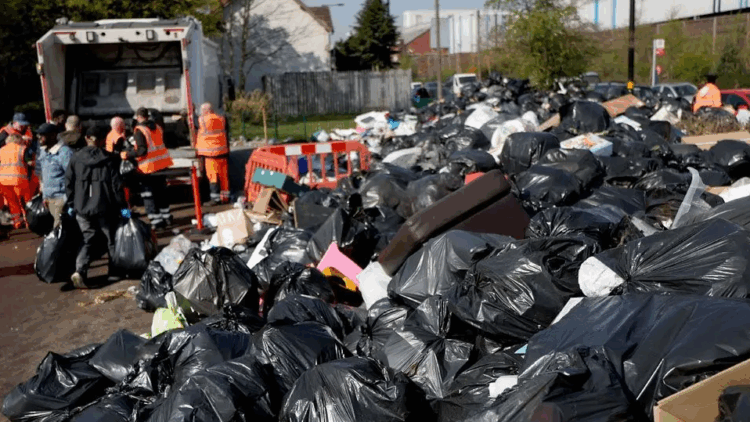
What began as intermittent walkouts has morphed into the longest running strike of its kind in living memory in the UK. Streets remain dotted with bags and bins arrayed along pavements, and residents have lived with months of disruption that has reshaped aspects of daily life in the city. Public patience has worn thin and leaders on all sides have offered little reassurance that the crisis is near an end.
The dispute centres on a bitter disagreement between Unite the Union and Birmingham City Council over proposed changes to job roles and pay. Refuse workers first staged walkouts in early January 2025 when the council announced plans to scrap the Waste Recycling and Collection Officer position, a role seen by many staff as critical to safety and job security.
The union said that the removal of the position would lead to significant income losses for dozens of workers. After weeks of intermittent action, the row escalated on 11 March when hundreds of workers walked out indefinitely in protest over pay cuts and threatened job losses.

AD: Capeesh Restaurant
Attempts to find common ground have repeatedly stalled. Negotiations that involved conciliation services like Acas in the spring of 2025 showed early promise, but talks eventually fell apart as disagreements widened. A proposed deal that might have ended months of disruption was abandoned, with union leaders arguing it did not address core concerns over income and conditions.
Residents of the West Midlands city have lived with the consequences of the impasse for longer than many expected. At the height of the early months, towering piles of uncollected rubbish made headlines, and the council declared a major incident to allow contingency plans to come into effect.

AD: Oysterian Sea Food Restaurant And Bar
Kerbside recycling has been suspended entirely, and garden waste services have been curtailed, leaving households to accumulate refuse at home or transport it to tips themselves.
Impact on City Life and Community Wellbeing
Concerns over vermin, odours and public health have grown as the months have worn on. Local mobile waste centres have provided some relief, but their limited capacity and schedule have done little to lessen frustration among households waiting weeks without collections.
The environmental fallout has also drawn attention. Suspension of recycling collections has contributed to a steep drop in the city’s recycling rates, while more material has been directed into general waste streams, storage at household premises or thermal treatment at facilities outside the city.
These shifts have sparked debate among environmental advocates and local officials about the long term implications of the strike on sustainability goals.
The economic impact of the strike has been significant. Costs associated with contingency arrangements, including the use of agency crews to pick up essential waste and the deployment of equipment to remove mounds of rubbish, have added financial strain on a council already navigating broader budget challenges.
Recycling contract losses and refunds issued to residents have compounded these pressures, contributing to discussions about future council tax rises and service reconfigurations.
Social dynamics have also been tested. Public discourse ranges from sympathy for workers standing against pay cuts to frustration with prolonged disruption and its toll on health and quality of life.
Petitions and protests have circulated, with residents voicing a mix of support for industrial action and exasperation at the absence of progress, while social media platforms have amplified tales of overflowing bins and community resilience.
The council’s ongoing strategy has involved maintaining core waste services where possible, even as recycling and garden waste collections are shelved. The use of agency workers, brought in to sustain essential levels of service, has itself been controversial. Some of those temporary crews have raised grievances about working conditions, adding another layer of complexity to an already intricate situation.
Why Resolution Has Eluded Negotiators
Analysts and observers have pointed to several factors behind the prolonged nature of the dispute. Financial constraints at the council, political tensions between local leadership and national figures, and differing interpretations of the worker union’s demands have all contributed to a stalemate.
Attempts at mediated talks have shown potential but ultimately failed to produce lasting commitments from either side, leaving the strike to roll on into its second winter.
Union officials have emphasised that members remain resolute in their mandate, with ballots showing overwhelming support for continued action until terms deemed fair and secure are achieved. Council spokespeople have emphasised fiscal limits and the need to reorganise waste services sustainably in the context of wider municipal reform.
Neither camp has yet signalled a willingness to compromise on core principles, and government appointed commissioners overseeing the city’s finances have described resuming negotiations as not viable under current conditions.

AD: Heritage And Restaurant Lounge Bar