
By Tony O’Reilly-
The Courts and Tribunals Judiciary has launched a 10-week consultation on proposals to reduce the size of tribunal panels and allow more cases to be heard by judges sitting alone, as mounting caseloads and delays place increasing pressure on the justice system.
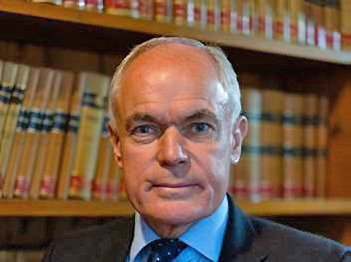
The review, opened by Lord Justice Dingemans, (pictured)Senior President of Tribunals, seeks views on whether tribunal members could be deployed more selectively to improve the speed, effectiveness and proportionality of proceedings. It will examine whether the current use of specialist and lay members remains appropriate across several tribunal jurisdictions, with potential changes aimed at making better use of judicial resources and reducing delays. The consultation comes against the backdrop of a significant increase in outstanding tribunal cases. The open caseload reached 887,000 at the end of June 2026, representing a 16 per cent rise compared with the same period a year earlier. The growing backlog has intensified questions about whether existing tribunal arrangements can continue to meet demand efficiently.

AD: Capeesh Restaurant
Some disputes currently determined by multi-member panels could instead be heard by a single tribunal judge. The consultation will also consider whether smaller panels could be sufficient in certain categories of cases, particularly where the specialist expertise of additional members may not be necessary. Tribunal members, sometimes described as lay or specialist members, are not legally qualified. They sit alongside tribunal judges, bringing relevant professional, technical or personal experience to proceedings. Their responsibilities include hearing evidence, asking questions and contributing to decisions on disputes. Lord Justice Dingemans wants to establish whether this expertise is being used in the most effective and proportionate way, particularly as tribunal workloads and the nature of cases have evolved.
However, the Senior President has made clear that the proposals are not intended to remove tribunal members altogether. Instead, the review seeks to establish whether their involvement should be more closely targeted towards cases where their specialist knowledge and experience are most valuable. The consultation covers the Mental Health Tribunal, the Social Security and Child Support Tribunal, the General Regulatory Chamber, the Tax Chamber and the War Pensions and Armed Forces Compensation Chamber. It will also examine one jurisdiction within the Upper Tribunal, namely the Administrative Appeals Chamber.
Among the specific proposals is whether certain cases could be determined by a judge sitting alone, while others might continue to require specialist members because of the nature and complexity of the issues involved. In the Tax Chamber, the consultation specifically considers whether some appeals should be decided by a single judge rather than a panel. Those responding will be invited to consider the circumstances in which tribunal members remain essential, whether particular categories of disputes could be dealt with by smaller panels, and whether changes would have any implications for safeguarding or the quality of decision-making. Amongst those expected to participate in the proposals include legal practitioners and lawyers, professional and specialist organisations, and other stakeholders and interested parties. The Eye Of Media plans to contribute to the proposals towards the end of this month , after holding it sown internal and external consultation on the topic.

AD: Oysterian Sea Food Restaurant And Bar
The consultation, announced today by The Law Society’s Gazette also seeks evidence about the potential effect of the proposals on the time taken to resolve disputes. Respondents will be asked to consider whether more selective deployment of members could improve efficiency without undermining the fairness, expertise or effectiveness of tribunal proceedings. The review follows earlier consultations conducted by the Senior President of Tribunals in 2020 and 2022, which examined amendments to panel composition across several chambers. Those exercises drew on experience during the Covid-19 pandemic, when some cases were temporarily heard by judges sitting alone.
The pandemic provided an opportunity to assess whether certain proceedings could be determined effectively without the usual panel arrangements. The latest consultation builds on that experience, examining whether some of those changes could form part of longer-term tribunal working practices. Any reforms requiring a new or amended Practice Direction would need to be introduced by the Senior President of Tribunals following consultation with the Lord Chancellor. Other changes could be progressed through existing judicial or chamber-level arrangements.
However, the judiciary has indicated that changes requiring a new Practice Direction would not be implemented before April 2027, meaning the consultation is the first stage of a longer process rather than an immediate alteration to tribunal procedures. The consultation will remain open until 25 January 2027, allowing judicial office-holders and other interested parties to submit their views. At its heart, the exercise seeks to address a difficult balance between maintaining the specialist knowledge and collective expertise that tribunal members bring to proceedings and ensuring that cases are resolved without unnecessary delay. With outstanding tribunal cases approaching 900,000, the proposals could represent a significant shift in how parts of the tribunal system operate.

AD: Heritage And Restaurant Lounge Bar