

By Tony O’Reilly-
The police watchdog has warned that misconduct at the highest levels of British policing is damaging public confidence, as a series of investigations into senior officers raises fresh questions about accountability, whistleblower protection and how the country selects its police leaders.
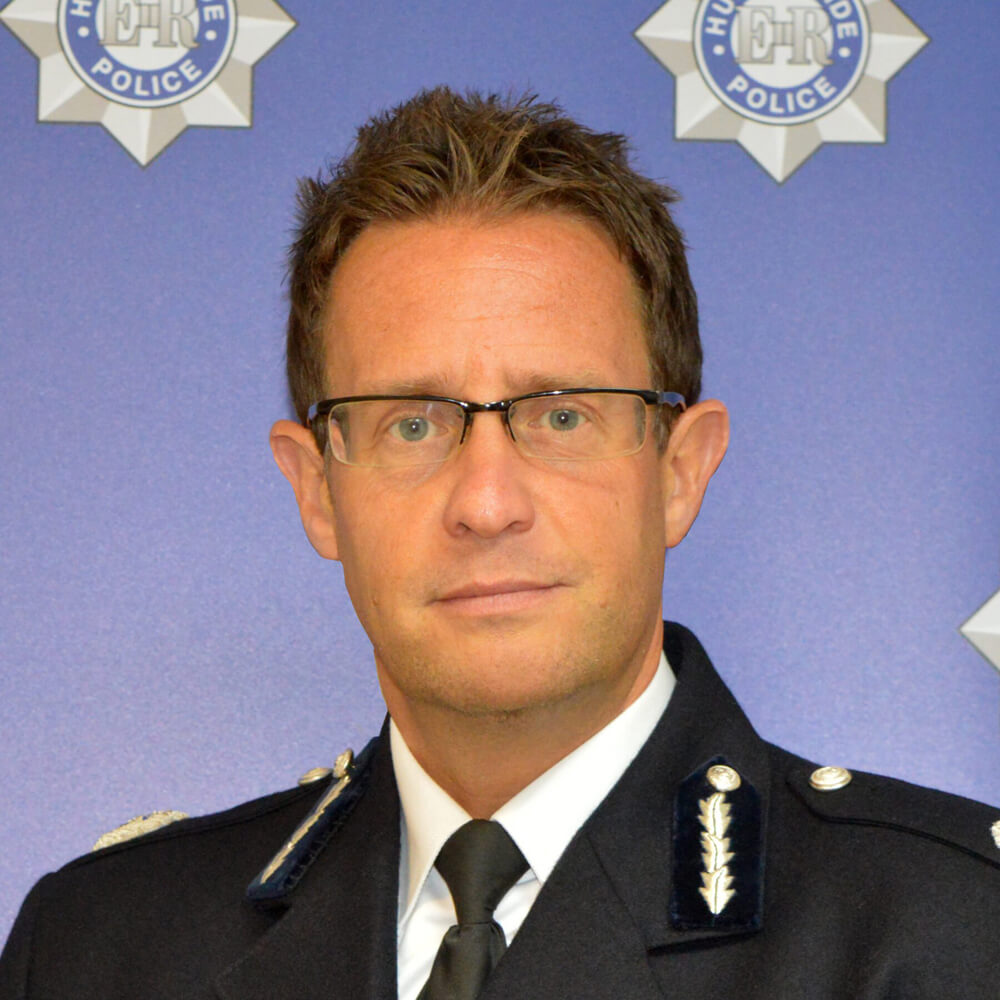
The head of England and Wales’s police conduct watchdog has warned that wrongdoing among chief constables is having a “profound impact” on public confidence in policing, revealing that almost 50 conduct investigations into police chiefs have been launched since 2018. Rachel Watson,(pictured) director general of the Independent Office for Police Conduct (IOPC), said allegations involving senior officers had exposed persistent weaknesses in the reporting of misconduct, with concerns sometimes remaining unreported for years before coming to light.

AD: Capeesh Restaurant
Writing in The Telegraph, over the weekend, watson said eight current or former chief constables had either been under investigation by the watchdog or were awaiting disciplinary or criminal proceedings at the time of her comments. The allegations investigated since 2018 have included cronyism, nepotism and the abuse of position for a sexual purpose. While she emphasised that most chief officers perform demanding roles under difficult circumstances, she warned that misconduct at the top of the hierarchy carries consequences beyond the individuals involved because police leaders shape the culture and standards of the forces they command.
The warning follows a misconduct panel’s recent finding concerning former Hampshire and Isle of Wight chief constable Scott Chilton, who was found to have been “repetitively dishonest” about sexual relationships with two subordinate officers. The panel concluded earlier this month that he would have been dismissed had he not already retired. Chilton left the role in April 2025 after allegations emerged concerning workplace relationships with two colleagues, identified during the proceedings as officers A and B. The case has placed renewed scrutiny on the boundaries between private conduct, professional responsibilities and the power imbalance that can arise when senior officers become involved with people serving under their authority.
Sexual misconduct: Former Hampshire and Isle of Wight chief constable Scott Chilton

AD: Oysterian Sea Food Restaurant And Bar
Image: Hampshire police
Another senior leadership departure has added to the scrutiny. Christopher Noble, who became chief constable of Staffordshire Police in December 2021, resigned in July, the day before a misconduct hearing was due to take place. He had been suspended in August of the previous year by Staffordshire’s police, fire and rescue and crime commissioner, Ben Adams, amid an IOPC investigation into allegations about his conduct. The circumstances surrounding the two cases have reinforced questions about how allegations against senior officers are handled and whether existing procedures can identify problems early enough to prevent prolonged uncertainty within police forces.
Former chief constable of Staffordshire Police Ben Noble retired before a police conduct investigation: Image: Staffordshire police
The historical significance of the watchdog’s figures lies not simply in the number of investigations, but in what they suggest about oversight of the most senior ranks. Since 2018, almost 50 conduct investigations have been opened into chief constables, according to Watson. The figure does not mean that 50 chiefs have been found guilty of wrongdoing: investigations can have different outcomes, and allegations must be assessed on their individual evidence. Nevertheless, the number highlights the scale of scrutiny directed at the highest levels of policing and the importance of transparent procedures for investigating those entrusted with enforcing the law.
Watson also pointed to a wider institutional problem: concerns about police leaders frequently emerge during investigations into other matters rather than through formal complaints made at the time. She said the watchdog too often uncovered longstanding, previously unreported concerns when examining the conduct of senior officers. In her view, this pattern raises difficult questions about why colleagues may remain silent, whether warning signs are overlooked and whether internal professional standards systems provide sufficiently safe routes for raising allegations against powerful figures.
The problem is particularly sensitive in policing because the conventional chain of command can discourage staff from challenging those who control appointments, career progression and working conditions. Officers and civilian employees may be reluctant to report concerns to supervisors or professional standards departments within their own force, especially when the subject of a complaint holds considerable authority. Watson argued that stronger independent reporting channels and additional protections for whistleblowers could help address this barrier, allowing allegations to be raised outside the organisation without exposing those who speak up to unnecessary risks.
Her intervention also comes amid a broader examination of police leadership standards. Watson referred to a report published by the Police Leadership Commission during the summer, which brought standards of behaviour and integrity among senior officers into focus. She argued that concerns about a candidate’s conduct should be heard long before that individual is considered for appointment to chief officer rank. The implication is that accountability cannot begin only after someone reaches the top: recruitment, promotion and leadership assessment must also be capable of identifying patterns of behaviour that could undermine public confidence.
Watson further challenged the idea that senior appointments should depend primarily on familiarity or established relationships within policing. Police leaders, she argued, should be selected for effective leadership skills and drawn from diverse backgrounds, including experience outside the police service. Her warning that individuals should not reach the highest ranks simply because their face “fits” speaks to a longstanding debate about institutional culture, professional networks and whether promotion systems reward the qualities needed to lead modern police forces.
The issue has particular significance because chief constables exercise substantial authority over operational priorities, workforce management and organisational standards. Their decisions can affect public safety and the daily experiences of communities, while their conduct can influence whether officers and members of the public believe that rules are applied consistently. When allegations involve senior leaders, the damage may therefore extend beyond an individual case, raising doubts about whether the same standards of honesty, fairness and accountability expected of ordinary officers are upheld at the top.
However, the challenge is not simply to increase the number of investigations. Effective oversight also requires fair procedures, reliable evidence, timely decisions and clear communication about outcomes. The distinction between an allegation, an investigation and an established finding is essential to maintaining confidence in the accountability system itself. The Chilton case resulted in a misconduct panel finding, while the circumstances of other investigations must be understood according to their individual procedural status and outcomes.
Watson’s warning ultimately places the focus on a question that extends beyond any one chief constable: whether policing can maintain public trust if concerns about its most senior leaders are allowed to remain hidden until another investigation brings them to light. Almost 50 conduct investigations since 2018 provide a substantial basis for examining how leadership accountability operates, but the figure alone cannot establish the proportion of chiefs who have engaged in misconduct or whether wrongdoing is becoming more common. What it does underline is the need for independent scrutiny, credible whistleblower protection and appointment processes that place integrity alongside professional achievement.
The test for police forces and oversight bodies will be whether those safeguards can turn the current scrutiny into lasting institutional change. For Watson, restoring confidence requires more than responding when misconduct allegations become public. It means creating a culture in which concerns can be raised safely, warning signs are taken seriously and senior appointments are based on demonstrable leadership qualities rather than personal connections. Without such changes, the watchdog’s warning suggests, the conduct of a relatively small number of senior officers could continue to undermine confidence in an institution whose legitimacy depends on public trust.

AD: Heritage And Restaurant Lounge Bar