
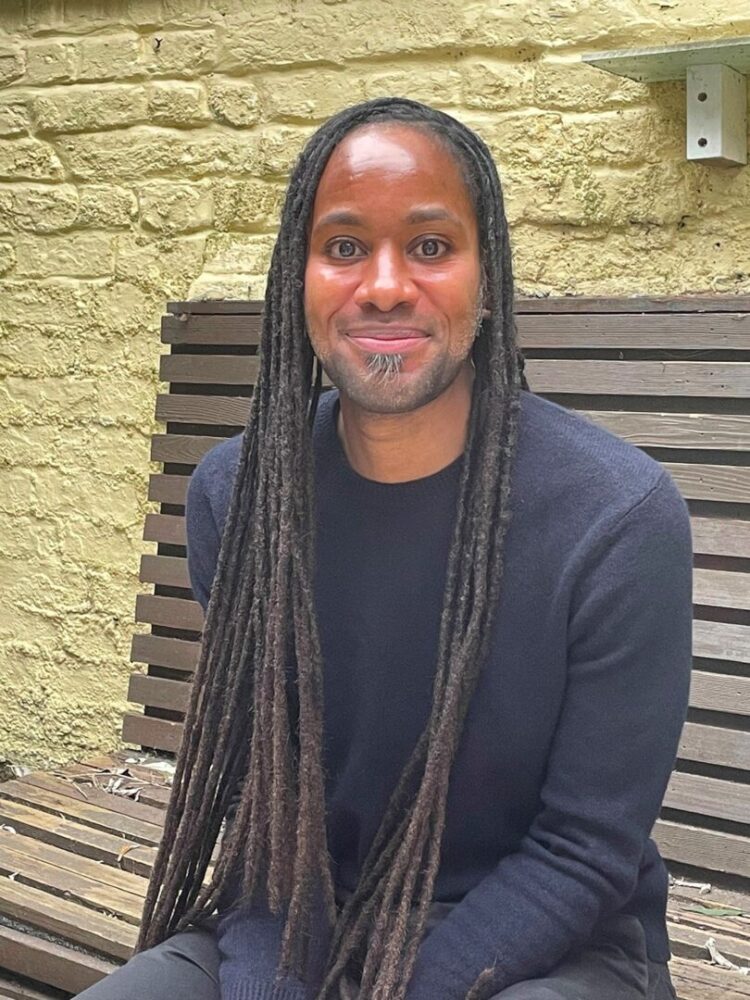
By Gabriel Princewill-
The future of one of Britain’s most prestigious universities is now entangled in a dispute extending far beyond the appointment of a single professor. At its centre are questions about academic standards, race, institutional accountability and the limits of press scrutiny — questions that have become more difficult to disentangle since the death of Jason Arday in August.
Cambridge’s decision to appoint Arday, celebrated in 2023 as its youngest Black professor, was initially presented as a milestone in widening representation at elite universities. It subsequently became the focus of allegations concerning his academic publications, qualifications and professional claims.
The university’s handling of those concerns is now under scrutiny from two separate investigations, including Cambridge’s independent review of its decision making policirs and organisational processes while the Independent Press Standards Organisation (IPSO) is reviewing a substantial volume of complaints about the media coverage.

AD: Capeesh Restaurant
The emerging story is not simply about whether Cambridge made a mistake. It is about whether the institution’s own commitment to diversity affected its willingness to investigate concerns, whether legitimate academic scrutiny became entangled with racialised assumptions, and whether the press crossed the line between public-interest reporting and disproportionate personal exposure.
It is also about whether his exalted status and appointment at Britain’s premiere university was demonsrably merited , or whether he his glorified position was unduly embellished, makig him the recipient of a level of preferential treatment that engendered ntense scrutiny , and even potentially, hostility. The answers remain contested, but what is clear is that the consequences have extended well beyond the original appointment, leading to competing views about what occured, and what should have taken place
In August, The Telegraph published an investigation into Cambridge’s recruitment process, reporting allegations from a source familiar with the interview process that other candidates had appeared to be going through the motions because Arday was already the preferred choice. The newspaper also examined the university’s diversity objectives, the composition of the appointment panel and concerns raised about Arday’s academic record.

AD: Oysterian Sea Food Restaurant And Bar
These were serious allegations, not established findings. But the report intensified pressure on Cambridge to explain how the appointment had been assessed and why concerns raised earlier had not prompted a more decisive response.
The university eventually announced an investigation into new information concerning Arday’s academic qualifications and honorary appointments. Its subsequent statements acknowledged the damage the affair had caused and the need to examine the decisions surrounding his appointment.
The controversy has also exposed tensions within Cambridge itself. The university’s Vice-Chancellor, Deborah Prentice, acknowledged widespread anger and anxiety over the case and promised a thorough investigation. Senior academics had already called for an independent examination of the appointment and the handling of concerns about Arday’s scholarship.
The question now is whether institutional scrutiny will be sufficiently independent to examine uncomfortable possibilities, including whether the desire to improve racial representation influenced professional judgements, and whether warnings about academic work received the attention they deserved.
A parallel investigation commissioned by the Committee for Academic Freedom (CAF) is intended to pursue precisely these issues. Its published terms of reference cover the appointment itself, the academic standards applied and Cambridge’s subsequent handling of concerns about Arday’s qualifications, publications and professional record.
The investigation is chaired by Lord Singh of Solihull, a former Equality and Human Rights Commission commissioner, with investigative journalist Nick Wallis leading the evidence-gathering. Its proposed panel includes Harvard psychologist Steven Pinker, UCL sociologist Alice Sullivan, Cambridge historian Robert Tombs and Labour peer Maurice Glasman.

Evidence gathering: Investigative journalist Nick Willis Image: LInkedin
CAF argues that its inquiry is necessary because questions about academic standards and institutional responsibility must not be displaced by the understandable focus on Arday’s death. Cambridge, meanwhile, has established its own two-part review: one examining the support and protections available to Arday before his death, and another addressing wider institutional processes, including recruitment, research misconduct procedures and the treatment of academics subjected to extraordinary public scrutiny.
The parallel inquiries raise a question of confidence as much as competence. Can an institution adequately investigate its own decisions when those decisions have become a source of reputational damage? And can an external investigation command confidence if its commissioning organisation has already expressed strong views about the case?
Those are reasons to examine the evidence carefully, rather than reasons to prejudge the findings.The racial dimension is particularly sensitive. Cambridge initially defended Arday against what it described as a campaign to undermine his credibility.
Some academics and university leaders characterised the press scrutiny as racist, arguing that a prominent black scholar had become the target of a disproportionate and hostile campaign. Others maintained that questions about qualifications, publications and academic conduct were legitimate matters of public interest, especially for someone appointed to a senior position at a publicly funded institution of the stature of Cambridge University.
Both the substance of the allegations and the character of the reporting deserve scrutiny. Race should not be used to shield an academic from legitimate questions about professional standards. Equally, professional scrutiny does not automatically become fai or proportionate, r simply because a subject holds a senior position or because the initial allegations concern matters of public interest.
Language, repetition, personal intrusion and the cumulative volume of coverag,e can all affect how a story is experienced and understood. This is where the third investigation — into the press itself — becomes crucial.
On 18 August, IPSO issued a statement confirming that it was reviewing a high volume of complaints and concerns about coverage of Arday. The watchdog said it would assess potential breaches of the Editors’ Code of Practice and consider the broader issues raised by the complaints. It specifically reminded editors of their obligations concerning privacy, harassment and reporting in circumstances of personal grief and shock.
. IPSO has said that it is reviewing complaints and considering whether further steps are warranted., but has been mute on precisely when it will reveal its findings. It has the unenviable task of going through multiple publicaitons from the pool of media networkst that sustain its own existence.
Its eventual response will be watched closely by those who believe that the coverage amounted to a sustained campaign of public houndin, but there is no telling when it will come. The regulator could be in an incredibly awkward position that could place it in the bracket of ”damened if you do’, and damned if you don’t, in terms of its eventual finding following its review.
The difference between examining individual stories and assessing their cumulative effect is central. An article may contain material that is factually defensible and relevant to public debate, while the repetition of similar allegations across multiple outlets may create a different overall impact. The challenge for a press regulator is to assess both the requirements of public-interest journalism and the standards that protect people from harassment and unnecessary intrusion.
Arday’s death has made that question more painful, but it does not establish that press coverage caused it. Any such conclusion would require evidence that cannot be supplied by the volume or tone of reporting alone.
What can be examined is whether journalists and editors acted responsibly, whether relevant safeguards were observed, and whether the complaints reveal patterns that individual article-by-article decisions might miss.
The broader issue is whether British institutions can hold more than one principle in view at the same time. Universities must take credible concerns about academic work seriously, irrespective of a scholar’s background. They must also ensure that staff are treated fairly and protected from disproportionate personal attacks. The press must be free to investigate public institutions and challenge celebrated figures, but that freedom carries obligations of accuracy, restraint and respect for privacy.
Opportunities to examine responsibilities
Cambridge’s investigations and IPSO’s review now offer separate opportunities to examine these responsibilities. Neither should be used to prejudge the other. Findings about the appointment process will not automatically settle questions about media conduct, just as criticism of press coverage cannot resolve questions about academic standards.
The test for the university will be whether its review produces a credible account of how the appointment was made, how concerns were handled and what needs to change. For IPSO, it will be whether its consideration of the complaints produces a clear and convincing response to the concerns raised about the scale and character of the coverage.
The Arday affair has become a contest over more than reputation. It is a test of whether universities and the media can scrutinise one another without retreating into rival narratives of institutional failure, racism or persecution.
The credibility of the eventual findings will depend on a willingness to follow the evidence, even when it challenges the assumptions of those who commissioned the inquiries or those who have campaigned most vigorously for them.
Until those findings emerge, the most defensible position is neither to dismiss the questions raised about Cambridge nor to treat the press’s conduct as beyond reproach. Both deserve rigorous examination. The public interest lies in ensuring that neither academic prestige nor journalistic power becomes a substitute for accountability.