
By Ben Kerrigan-
Brtain is pressing international partners to tighten restrictions on shipping linked to Russia, warning that loopholes in existing sanctions continue to provide Moscow with routes to sell oil and finance its war against Ukraine.
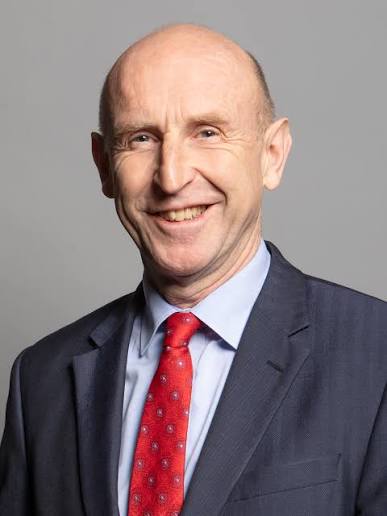
The issue moved into focus on Thursday, 15 October, as Finance Minister, John Healey,(pictured) attended the International Monetary Fund’s annual meetings in Bangkok, where economic pressures and geopolitical tensions are competing for the attention of governments.

AD: Capeesh Restaurant
Healey urged fellow finance ministers to maintain pressure on Russia, with particular emphasis on shipping services that allow its so-called shadow fleet to keep operating. These vessels are used to transport oil while helping Russian exporters work around Western restrictions. The British government argues that cutting off the services supporting these operations would make it harder for Moscow to generate revenue from energy exports.
The appeal comes at a sensitive moment for Western policy. While Britain is seeking tighter restrictions, the United States has indicated that it is considering easing sanctions on some vessels associated with the shadow fleet.
The reported reason is concern about exceptionally high global freight costs, which have increased pressure on shipping markets and businesses dependent on international transport. The difference in approach highlights the difficulty of maintaining economic pressure on Russia while limiting the wider costs of restrictions.

AD: Oysterian Sea Food Restaurant And Bar
Sanctions have become a central part of the Western response to Russia’s full-scale invasion of Ukraine in 2022. Governments have targeted banks, energy companies, individuals and ships in an effort to reduce the money available to support the war.
Last December,the UK targeted Russian companies supplying goods that were useful to the Russian military. Enforcing those measures across international shipping routes can still be complicated. Vessels can change names, ownership arrangements and flags, while complex commercial networks can make it difficult to establish who ultimately controls a ship or benefits from its cargo.
The scale of the challenge has prompted Britain and its allies to look beyond simply publishing lists of sanctioned companies and vessels. In March, the UK government said it was working with partner countries on legal options to disrupt the shadow fleet. A House of Commons Library briefing published in June also examined the legal framework for intercepting sanctioned ships, underlining the importance of international law and the distinction between identifying a sanctioned vessel and having lawful grounds to detain it.
The issue is not only about diplomatic pressure. Shipping restrictions can affect oil supplies, insurance arrangements, freight prices and the cost of moving goods around the world. Governments therefore face a difficult balance: restrictions must be strong enough to limit Russia’s ability to evade sanctions, but their effects on international trade and energy markets must also be considered. Any easing of restrictions by one major power could create tensions with allies seeking a more coordinated approach.
Healey’s intervention also comes as the UK prepares for its budget statement on 28 October. He has welcomed the IMF’s support for Britain’s plans to control public borrowing, indicating that the government intends to maintain its fiscal approach despite international uncertainty. The budget will be closely watched by businesses and households, particularly as the government weighs spending priorities against borrowing costs and pressure on public finances.
Alongside the sanctions discussions, Britain has announced £17 million towards repairs at Ukraine’s Chornobyl nuclear power plant. The protective structure was damaged by a Russian drone strike last year, and the funding is intended to help restore important containment and ventilation functions. The contribution, made alongside support from the United States and France, illustrates how the response to the war extends beyond military assistance and economic restrictions to the protection of critical infrastructure.
For Kyiv, the effectiveness of sanctions remains an important part of the broader effort to weaken Russia’s capacity to sustain the conflict. For Western governments, however, the challenge is to translate political commitments into measures that can be enforced consistently across borders. Britain’s latest call does not itself establish a new international agreement, and the outcome will depend on whether other governments are prepared to adopt tougher restrictions.
The discussions in Bangkok therefore carry significance beyond a single meeting. They expose a continuing disagreement over how far economic pressure should go, how its costs should be managed and whether allies can maintain a common strategy. Britain is making the case for tighter controls, but the real test will be whether that position leads to coordinated action against the networks that keep Russia’s oil moving.

AD: Heritage And Restaurant Lounge Bar