

By Sheila Mckenzie-
Earl Spencer has made a striking claim about the treatment of his sister, Diana, Princess of Wales, arguing that she was hounded by the British press from the moment she came to public attention.
In his new memoir, Swan Song: Diana, My Sister, Spencer describes the photographers surrounding Diana as a “seething mob” and says the intensity of the media pursuit was deeply disturbing to witness. His account has also led him to draw a comparison with the treatment of Prince Harry and Meghan, saying he sees echoes of Diana’s experience in the way the couple are covered today.

AD: Capeesh Restaurant
Spencer’s claim is not simply based on his recollection of the final years of Diana’s life. He traces the problem back to the beginning of her relationship with Prince Charles. Diana was only 19 when she became the focus of intense media interest. Because she was still the prince’s girlfriend rather than his fiancée or wife, Spencer says she did not have the level of police protection that later accompanied her royal status.
In an extract from the memoir, Spencer recalls seeing reporters and photographers gathered around Diana’s London home. He says television reports presented the scenes as little more than harmless excitement. His own experience was very different, given his description of the atmosphere as threatening, and his account that the view of photographers surrounding his young sister in person was “truly shocking”. Spencer argues that the press had begun to treat Diana as a commodity rather than as a young woman suddenly caught in an extraordinary level of public attention.
He recalls accompanying her through crowds of reporters and photographers and describes the experience as a form of intimidation. His account is particularly striking because it comes from someone who was physically present during some of those encounters.

AD: Oysterian Sea Food Restaurant And Bar
Historical evidence that supports the broader picture of Diana being subjected to extraordinary media attention is undeniable. After all, she was a princess, married at the time to a prince, the future king in living colour. Her relationship with Prince Charles became one of the biggest stories in Britain during the late 1970s and early 1980s. Once their engagement was announced, the interest intensified. After their marriage in 1981, Diana became one of the most recognisable women in the world.
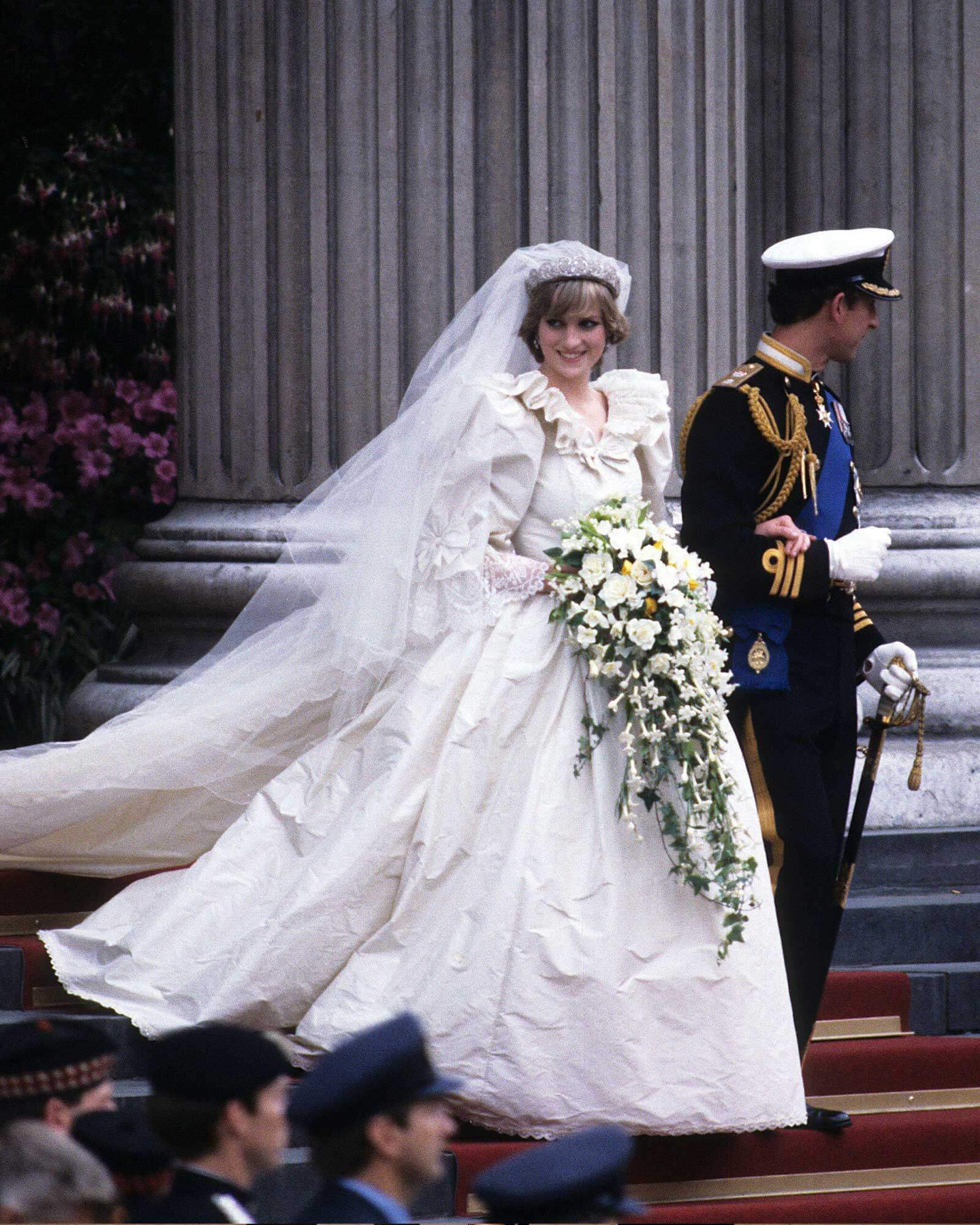
Princess Diana on her wedding day to Prince Charles Image: Hussein / Getty Images
Her popularity created an enormous demand for photographs and stories about her private life, with newspapers competing for exclusive material, while photographers pursued her movements. The relationship between Diana and the press became increasingly hostile as her public profile grew. She cannot be said not to have benefited from the publicity to some high degree. She had become a universally acclaimed goddess, with the stamp of approval from the press, spreading her fame and status.
It was such phenomenal global attention that would even bring her path together with that of Dodi Fayed. when the pair met during the Harrods Polo Cup at Smith’s Lawn in Windsor, UK The most serious evidence came in the circumstances surrounding Diana’s death.
On 31 August 1997, Diana, Dodi Fayed and their driver, Henri Paul, died after their Mercedes crashed in the Pont de l’Alma tunnel in Paris. Photographers were following the vehicle. The circumstances of the crash were subsequently investigated by French and British authorities, amid widespread speculation about what had happened.
A British inquest eventually reached a significant conclusion. In 2008, a jury ruled that Diana and Fayed had been unlawfully killed as a result of the grossly negligent driving of Henri Paul and the pursuing paparazzi. The jury also found that the failure of Diana and Fayed to wear seat belts, contributed to their deaths.
That verdict has never been taken to amounting to a conclusion that the British press as a whole was responsible for Diana’s death. Nor did it establish that every journalist or photographer who covered her acted improperly. What it did establish was that the conduct of the pursuing photographers formed part of the circumstances that the jury considered to have contributed to the deaths. Spencer’s claim appears to concern a wider culture of intrusion, while the inquest dealt with the specific circumstances of the fatal crash. The two issues are connected by the history of paparazzi pursuit, but they should not be treated as identical.
Diana’s death became a defining moment in the debate over press intrusion. Public anger was directed at the photographers who had pursued her, while newspapers faced renewed questions about the boundaries of legitimate reporting. The tragedy forced the British media to confront the consequences of an industry in which exclusive photographs of Diana could command enormous commercial value.
Nearly three decades later, Spencer believes the same basic problem can still be seen in the treatment of Harry and Meghan. Speaking to the BBC, he said the media treatment of the Sussexes “echoes” what happened to Diana. He also expressed concern about Harry’s security and argued that the experience of Diana should have taught people lessons about the dangers of intense media pursuit.
There are clear similarities in the underlying issue. Diana, Meghan and other members of the Royal Family have all experienced extraordinary levels of public interest. Their relationships, appearance, family lives and decisions have generated extensive coverage. In each case, sections of the media have also attracted criticism over the tone and methods used to report on them.
However, there are major differences between Diana’s experience and Meghan’s. Diana lived in an era dominated by newspapers, television and freelance paparazzi photographers. Meghan’s experience has unfolded in the digital age, when stories can be published and shared globally within seconds. Social media has created another layer of scrutiny that did not exist when Diana was alive.
There is also a substantial legal record concerning Meghan’s disputes with the press. In 2021, the High Court ruled in Meghan’s favour in her case against Associated Newspapers over the publication of extracts from a private letter she had written to her father, Thomas Markle. The court found that she had a reasonable expectation that the contents of the letter would remain private. The Court of Appeal later upheld the central judgement.
These legal findings may be seen as providing evidence that Meghan Markle has faced forms of media intrusion that went beyond ordinary reporting. They do not, however, establish that her experience was identical to Diana’s. Diana was physically pursued by photographers, most dramatically during the journey that ended in her death. Meghan’s most prominent disputes have involved the publication of private information, newspaper coverage and the wider online media environment. The methods have changed even if the underlying argument about privacy remains familiar.
Spencer’s memoir should also be understood as a personal account. He was Diana’s brother, not an independent investigator of the British press. His memories offer an important first-hand perspective on what he saw, but they are still his interpretation of events.

Earl Spencer controversial book says press hounded Princess Diana Image: PA
His book also contains other controversial claims that have attracted scrutiny. Some of Spencer’s recollections concerning the Royal Family have been disputed, while he has also acknowledged an error concerning Piers Morgan and the publication of photographs of Diana. Morgan was not editor of the Daily Mirror when the photographs in question were published. Spencer later apologised for the mistake.
Those disputes do not by themselves disprove Spencer’s account of the media treatment Diana received. They do demonstrate why his claims should be distinguished from established historical findings. The strongest evidence for his broader argument comes from the record of Diana’s life itself. She was pursued by photographers from the beginning of her relationship with Charles. The intensity of that pursuit increased as her fame grew.
Nearly 30 years after Diana’s death, that question has not disappeared. The technology of journalism has changed, but the public appetite for the private lives of Britain’s most famous royal figures remains enormous. Spencer’s memoir may be seen as bringing that old debate back into focus, asking whether the lessons of Diana’s experience have genuinely been learned or whether the same pressures have simply taken a different form.

AD: Heritage And Restaurant Lounge Bar