
By Lucy Caulkett-
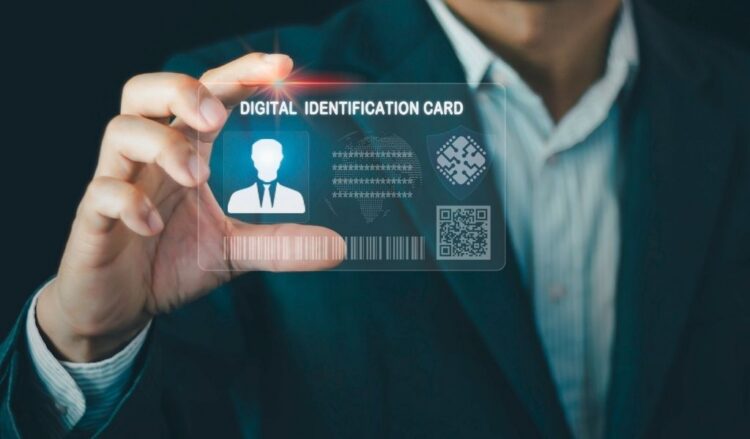
Pubs, bars, restaurants, shops and music venues can now accept certified digital ID on a customer’s phone as proof of age when selling alcohol — marking a major step towards the phone replacing the traditional wallet for identity checks.
Britons can now use their phone instead of a physical identity document to prove they are over 18 when buying alcohol, under new rules coming into force today.

AD: Capeesh Restaurant
Licensed premises across England and Wales — including pubs, bars, restaurants, shops and music venues — can now choose to accept certified digital proof of age alongside traditional physical identification.
The change, which takes effect on Tuesday 15 September, means customers who have left their passport or driving licence at home may increasingly be able to prove their age simply by presenting a digital credential on their phone.

AD: Oysterian Sea Food Restaurant And Bar
The Government says the move will make age checks quicker and more secure while giving customers greater control over the personal information they disclose.
Instead of handing over an identity document containing a name, photograph and potentially other personal details, a customer may simply be able to demonstrate that they are 18 or over.
The new system does not mean that a photograph of a passport or driving licence on a phone will suddenly become acceptable.
Digital proof of age must be provided through a certified Digital Verification Service (DVS) listed on the Government’s statutory register and operating under the UK’s digital verification services trust framewo
Existing certified services include products such as Yoti ID and Post Office EasyID, which can provide digital confirmation of a user’s age.
The technology can work through a QR code or, where supported, by tapping a phone against a compatible reader. Staff receive confirmation that the customer has passed the age check rather than having to inspect the underlying identity document.
That could eventually transform one of the most familiar interactions in British nightlife: the moment a customer is asked to produce identification at the bar.
Pubs don’t have to accept it
There is an important qualification.The new rules do not force pubs, shops or other licensed premises to accept digital ID.
Businesses can continue using physical passports, driving licences and other accepted forms of identification. Customers can also continue to use physical ID if they prefer.
So the immediate change is one of choice rather than compulsion.The Government expects adoption to take time, meaning that someone with a digital proof of age cannot yet assume that every pub or shop will accept it.
The legal drinking age also remains unchanged at 18. The legislation changes the means by which a business can establish that a customer has reached the legal age; it does not alter the underlying licensing rules.
One of the most significant features of digital age verification is that it can reduce the amount of information a customer has to reveal.A physical driving licence, for example, contains considerably more information than the fact that its holder is over 18.
A certified digital service can instead provide a simple assertion that the customer has passed the relevant age threshold.The Government says this could allow people to prove they are over 18 without handing over information such as their home address.
That raises an intriguing prospect: the future identity check may reveal less about you than the plastic card it replaces. For a bartender, the question becomes simply: Is this person over 18?The answer can be delivered digitally without necessarily revealing the person’s full identity.
The beginning of a much bigger digital-ID experiment
The alcohol rules are significant because they give digital identity an everyday, face-to-face use.
The Government is separately developing a free digital ID for UK citizens and legal residents, stored securely on a phone and intended to help people prove their identity, including their age and residency status.
The Government says it expects the system to be rolled out by the end of this Parliament The Government’s planned digital ID and the existing private-sector age-verification services should not be confused.
Today’s alcohol rules specifically rely on certified third-party digital verification services. The Government says its own GOV.UK Wallet and digital driving licence will be separate from the current arrangements, although the Government envisages the future digital ID being usable for age verification
The official register already contains dozens of certified digital identity services, illustrating how quickly the market is developing. Alcohol is unlikely to be the end point.
The Government has already said that digital identity will have a range of potential private-sector uses. The wider digital verification framework is also being developed for areas including employment and other regulated checks.
That means today’s change could prove to be an important milestone in a much bigger transition. For decades, proving your age has meant producing a piece of plastic, paper or a passport.
Now the British Government has formally opened the door to another possibility:your identity can live on your phone — and, in an increasing number of situations, your phone can prove something about you without revealing everything about you.
That could mean one less card to carry for customers, but for businesses, it could mean faster age checks and potentially less reliance on staff judging whether a physical document is genuine.
And for the Government, it represents another step towards a society in which the smartphone becomes not merely a communications device, but a digital wallet for identity itself.
The question now is not whether digital proof of age is legally possible, because it is. It is whether Britain’s pubs, shops and customers will actually choose to use it.

AD: Heritage And Restaurant Lounge Bar