
By Ben Kerrigan-
Israeli Prime Minister Benjamin Netanyahu publicly reprimanded National Security Minister Itamar Ben-Gvir on Wednesday after the far-right minister released provocative videos showing detained Gaza-bound flotilla activists being mocked and humiliated while in Israeli custody.
The footage, which spread rapidly across social media and international news platforms, has intensified diplomatic pressure on Israel at a moment when global scrutiny over the Gaza war and humanitarian conditions is already at a peak.

AD: Capeesh Restaurant
The videos showed activists kneeling with their hands restrained behind their backs aboard Israeli naval vessels after the interception of a large flotilla attempting to challenge Israel’s blockade of Gaza. In one clip, Ben-Gvir walks among detainees carrying a large Israeli flag while telling them they should remain imprisoned “for a long, long time.” Another video captured security personnel forcing a detainee to the ground after he shouted “Free Palestine.”
The images immediately sparked condemnation from multiple governments, human rights organisations and even senior Israeli officials. Netanyahu, while defending Israel’s right to intercept the flotilla, issued an unusually direct criticism of one of the most controversial members of his coalition government.
“Israel has every right to prevent provocative flotillas of Hamas terrorist supporters from entering our territorial waters,” Netanyahu said in a statement released by his office. “However, the way that Minister Ben-Gvir dealt with the flotilla activists is not in line with Israel’s values and norms.”

AD: Oysterian Sea Food Restaurant And Bar
The rebuke reflected growing concern within the Israeli government that Ben-Gvir’s actions risk worsening the country’s already strained international standing. Israel has faced months of mounting criticism over the humanitarian crisis in Gaza, civilian casualties and accusations of excessive force during military operations following the October 2023 Hamas attacks.
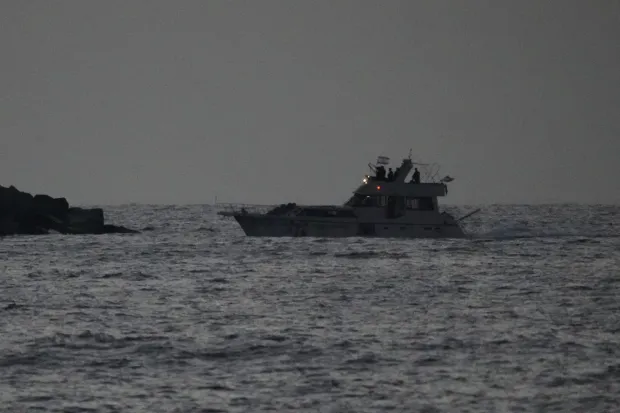
The flotilla operation itself was organised by activists seeking to deliver symbolic humanitarian aid and challenge the Israeli naval blockade that has restricted access to Gaza for years. Israeli forces intercepted the vessels in the Mediterranean before they could reach Gaza’s coastline, detaining roughly 430 activists from multiple countries including Italy, Turkey, Greece and Canada.
While Israel’s government defended the interception as a security necessity, the subsequent handling of detainees rapidly became the larger controversy. Rights advocates accused Israeli authorities of intentionally degrading the activists through staged videos and coercive treatment designed for political messaging rather than legitimate security purposes.
The legal advocacy group Adalah, which is assisting some detainees, alleged that activists were forced to kneel for hours with their hands bound while being filmed by Israeli officials. The organisation described the treatment as humiliating and unlawful under international human rights standards. International reaction was swift and unusually broad.
Canada summoned the Israeli ambassador after Prime Minister Mark Carney condemned the detainees’ treatment as “abominable” and “unacceptable.”
Italy’s Foreign Ministry protested what it called violations of “human dignity,” while Turkey accused Israel of exposing a “violent and barbaric mindset.” Greece also formally lodged complaints over the treatment of Greek nationals detained during the operation.
The backlash highlighted the increasingly difficult diplomatic environment confronting Netanyahu’s government. Even countries that have historically maintained close security and economic ties with Israel are facing growing domestic pressure over the Gaza conflict and the conduct of Israeli officials.
Diplomatic Fallout Deepens Political Tensions
The incident has also exposed deep divisions inside Israel’s leadership over how the country should present itself internationally during wartime.
Ben-Gvir, a longtime ultranationalist figure known for inflammatory rhetoric and hardline positions on Palestinians, dismissed criticism of the videos and doubled down on his approach. Speaking in parliament after Netanyahu’s rebuke, the minister argued that apologising to the flotilla activists would project “weakness,” “submission” and “surrender.”
His remarks underscored the tensions inside Netanyahu’s governing coalition, which relies heavily on support from far-right nationalist parties. Although Netanyahu publicly criticised Ben-Gvir’s conduct, analysts note that the prime minister remains politically dependent on ministers like him to preserve his fragile parliamentary majority.
Israeli Foreign Minister Gideon Saar also condemned the videos, accusing Ben-Gvir of harming Israel’s global image. In a sharply worded social media post, Saar wrote, “You knowingly caused harm to our state in this disgraceful display. No, you are not the face of Israel.”
That public criticism from within Netanyahu’s own cabinet reflected broader concerns among Israeli diplomats and military officials who fear such incidents deepen the country’s diplomatic isolation.
Israel has increasingly struggled to counter international criticism surrounding the Gaza war, particularly across Europe and parts of North America where public opinion has shifted sharply over the past year. Humanitarian organisations and United Nations officials have repeatedly warned of catastrophic conditions inside Gaza, while protests demanding stronger action against Israel have spread globally.
The flotilla confrontation revived memories of the 2010 Gaza flotilla raid, when Israeli commandos boarded the Turkish vessel Mavi Marmara, resulting in the deaths of 10 activists and triggering a major international crisis. That event severely damaged Israel’s relationship with Turkey for years and remains one of the most controversial episodes in Israel’s modern diplomatic history.
Although the current flotilla interception did not produce fatalities, the release of humiliating footage has again fuelled accusations that Israeli authorities are using public spectacle and intimidation as political tools.
Critics say the videos were designed not only to deter future flotilla attempts but also to energize Ben-Gvir’s political base inside Israel. The minister has frequently embraced confrontational tactics and social media theatrics to appeal to hardline nationalist voters who support harsher treatment of Palestinian activists and Israel’s opponents abroad.
The strategy may carry significant costs for Netanyahu internationally. Diplomats from several countries reportedly pressed Israeli officials privately over the treatment of their citizens, while rights groups warned that the footage could further damage Israel’s standing in ongoing legal and diplomatic disputes related to the Gaza war.
The controversy also comes as Israel faces increasing scrutiny from international courts and organisations examining allegations of war crimes and human rights abuses connected to the conflict in Gaza. Israeli officials strongly deny such accusations, arguing that the country is acting in self-defence against Hamas and other militant groups.
Images of restrained activists being mocked by senior Israeli officials have complicated efforts by Netanyahu’s government to defend its conduct abroad.
A Government Under Pressure
With Netanyahu, the flotilla episode presents another difficult balancing act between international diplomacy and domestic coalition politics.
The prime minister has spent months trying to reassure Western allies that Israel remains committed to democratic norms and the rule of law even during wartime. He must manage pressure from far-right ministers demanding more aggressive policies toward Palestinians and critics of Israel.
Publicly distancing himself from Ben-Gvir’s conduct while still defending the flotilla interception itself, Netanyahu appeared to be attempting both objectives simultaneously: preserving the coalition at home while limiting diplomatic fallout abroad.
But some analysts argue that the distinction may not convince international audiences increasingly alarmed by the rhetoric and actions of Israel’s far-right leadership.
Human rights organisations say the flotilla incident reflects a broader atmosphere inside Israeli politics where extreme nationalist language has become increasingly normalised. Critics point particularly to Ben-Gvir’s repeated praise for harsh detention conditions and confrontational tactics against Palestinian activists.
The controversy has also reignited debate over the future of Gaza and Israel’s long-term strategy toward the territory. The blockade, imposed after Hamas seized control of Gaza in 2007, remains deeply divisive internationally. Israel argues the blockade is essential to prevent weapons smuggling and militant attacks, while critics contend it collectively punishes Gaza’s civilian population.
The flotilla activists framed their mission as a humanitarian effort intended to draw global attention to conditions inside Gaza. Israeli officials, however, characterised the operation as a political provocation designed to support Hamas and undermine Israeli security policy.
While diplomatic tensions continue escalating, Netanyahu has ordered that the detainees be deported “as soon as possible,” signalling a desire to contain the fallout before it grows into a broader international crisis. But the images released by Ben-Gvir are likely to linger far beyond the deportations themselves.
When Israel is already confronting mounting criticism, protests and legal challenges across the world, the spectacle of bound activists being publicly mocked by a senior cabinet minister has become another flashpoint in an increasingly polarised global debate over the Gaza conflict and Israel’s conduct during wartime.

AD: Heritage And Restaurant Lounge Bar