
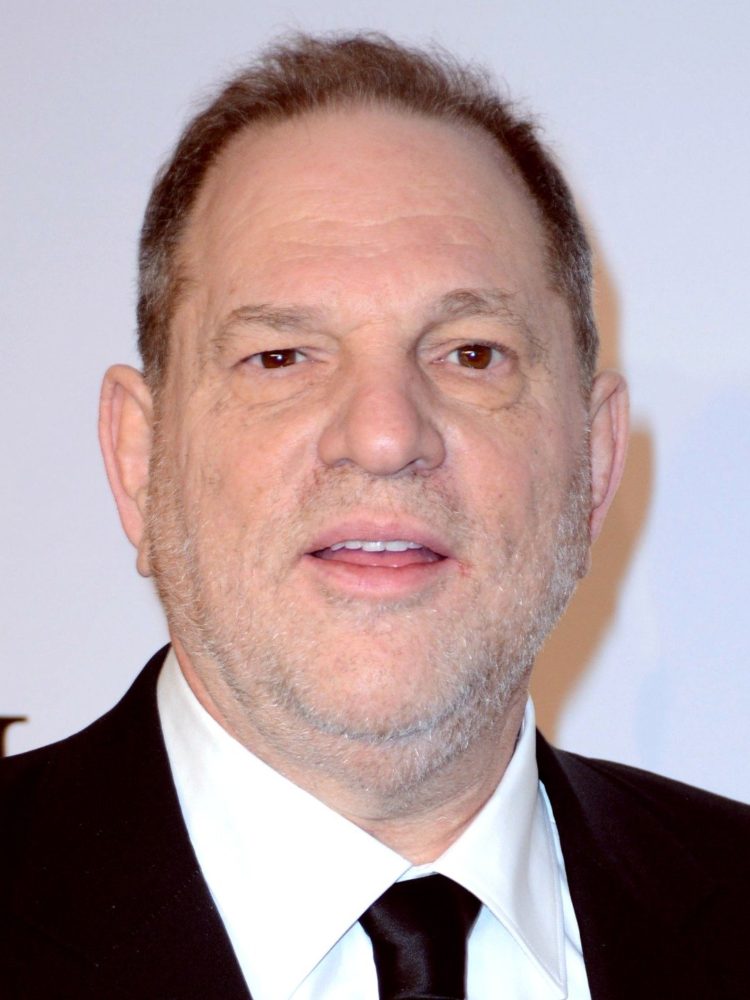
Harvey Weinstein’s long-running legal battles took another dramatic turn on Friday after a New York judge declared a mistrial in the disgraced former Hollywood producer’s latest sex crimes case, following a deadlocked jury unable to agree on whether he raped former aspiring actor Jessica Mann in a Manhattan hotel room in 2013.
The mistrial marks yet another complicated chapter in the downfall of the once-powerful film mogul whose prosecution became one of the defining legal and cultural moments of the #MeToo era. After approximately nine hours of deliberations spread across three days, jurors informed Judge Curtis Farber that they could not unanimously agree on a verdict concerning the third-degree rape charge tied to Mann’s allegations.
In a note delivered to the court, the jury stated plainly that it remained deadlocked despite continued discussions. Judge Farber subsequently brought proceedings to an end, saying: “I see no reason to go any further.”

AD: Capeesh Restaurant
Weinstein had pleaded not guilty throughout the proceedings and has consistently denied all allegations of nonconsensual sex made against him over the years. His legal team argued that his encounters with Mann were consensual, while prosecutors maintained that the evidence and testimony demonstrated coercion and abuse of power.
The outcome represents a significant emotional and legal setback for prosecutors and for Mann, who once again took the stand to recount allegations she has now publicly repeated across multiple trials. Her testimony, delivered in often graphic and deeply emotional detail, described the alleged rape and the psychological complexities of her subsequent interactions with Weinstein.

AD: Oysterian Sea Food Restaurant And Bar
The mistrial comes less than a year after another New York jury also failed to reach a unanimous decision on the same charge involving Mann. That previous deadlock highlighted the enduring difficulties prosecutors can face in sexual assault cases where questions of consent, communication, and post-assault behaviour become central points of contention before a jury.
Following Friday’s ruling, Manhattan District Attorney Alvin Bragg issued a statement confirming that prosecutors would now evaluate how to proceed. “While we are disappointed that the proceedings ended with a mistrial, we deeply respect the jury system and sincerely thank all of the jurors for their time and dedication,” Bragg said.
He also praised Mann directly, describing her “perseverance and bravery” as inspiring not only to prosecutors in his office but also to “survivors everywhere.” The district attorney added that his office would “consider our next steps in consultation with Ms. Mann,” leaving open the possibility that prosecutors could seek another retrial.
The latest mistrial underscores both the strengths and limitations of the justice system when dealing with allegations of sexual violence involving powerful figures. Weinstein’s original conviction in New York in 2020 had been widely viewed as a watershed moment for the #MeToo movement, symbolising a dramatic shift in how institutions and juries approached allegations against influential men in entertainment and other elite professions.
That conviction, however, was overturned in 2024 by a New York state appeals court, which ruled that the trial judge had improperly allowed testimony concerning allegations not directly related to the charges Weinstein faced in that case. The appeals court determined that the inclusion of additional testimony prejudiced the fairness of the proceedings, forcing prosecutors to retry aspects of the case.
The retrial process has since produced mixed outcomes. Last year, Weinstein was convicted of first-degree criminal sexual act for forcibly performing oral sex on former “Project Runway” production assistant Miriam Haley in 2006. Yet in the same proceedings, jurors acquitted him on another first-degree criminal sexual act charge involving former model Kaja Sokola.
The inability to secure a unanimous verdict concerning Jessica Mann’s allegations has again highlighted the complex dynamics often present in sexual assault prosecutions. NBC News legal analyst Danny Cevallos suggested the outcome was not surprising, noting that some jurors may have struggled with Mann’s continued contact with Weinstein after the alleged assault.
Cevallos said some members of the panel may have been “predisposed to disbelieve” Mann because she remained in communication with Weinstein in the years following the alleged rape. Such reactions, however, reflect one of the core debates at the centre of many modern sexual assault trials.
Prosecutors and victim advocates have repeatedly argued that continued communication with an alleged abuser is not unusual and should not automatically undermine credibility. They point to the emotional, professional, financial, and psychological complexities that often shape victims’ behaviour after traumatic experiences, particularly when significant power imbalances exist.
That issue has remained central to Weinstein’s legal saga from the beginning. Prosecutors have long argued that Weinstein leveraged his extraordinary influence within Hollywood to manipulate aspiring actresses and industry newcomers, while defence lawyers portrayed many of the relationships as consensual interactions later reframed amid shifting social attitudes and public scrutiny.
The allegations against Weinstein first exploded into public view in 2017 after investigations published by The New York Times and The New Yorker detailed accusations from numerous women who claimed the producer had engaged in sexual harassment, assault, intimidation, and abuse over decades. Those reports triggered a global reckoning around workplace misconduct and power structures, helping catalyse the #MeToo movement.
The movement transformed conversations surrounding consent, abuse, and accountability in industries ranging from entertainment and politics to media, business, and academia. Weinstein quickly became the most prominent symbol of that reckoning, with his downfall representing a dramatic reversal for a man once regarded as one of Hollywood’s most influential figures.
Before his disgrace, Weinstein was considered a dominant force in independent cinema and awards-season campaigning. Through Miramax, the production and distribution company he co-founded with his brother Bob Weinstein, he helped bring critically acclaimed films such as “Pulp Fiction,” “Clerks,” and “Shakespeare in Love” to mainstream audiences.
Weinstein won an Academy Award as a producer for “Shakespeare in Love,” while later projects under The Weinstein Company secured further Oscar success with films including “The King’s Speech” and “The Artist.”
At the height of his influence, Weinstein was viewed as a Hollywood kingmaker capable of launching careers, shaping awards races, and determining the commercial fate of independent films. That immense power now forms a crucial backdrop to the allegations made against him, with many accusers describing situations in which professional ambition collided with coercive behaviour and fear of retaliation.
In total, nearly 100 women have accused Weinstein of sexual assault, harassment, or inappropriate conduct. He has denied all allegations involving nonc onsensual acts.
Weinstein’s physical condition has also deteriorated significantly as his legal troubles have continued.. In recent years, he has appeared frail during court appearances and has reportedly faced multiple medical complications while incarcerated. In 2024, he was diagnosed with bone marrow cancer, adding to mounting health concerns while he remains behind bars.
Despite the mistrial concerning Mann’s allegations, Weinstein’s legal jeopardy is far from over. His conviction involving Miriam Haley still stands, and prosecutors must now decide whether pursuing yet another retrial regarding Mann’s allegations would serve the interests of justice.
The repeated inability of juries to reach consensus on some charges also reflects the broader challenges that continue to surround sexual assault cases, particularly those involving delayed reporting, complicated personal relationships, and questions surrounding consent. Even amid evolving social awareness, such prosecutions frequently remain difficult to prove beyond reasonable doubt, especially when jurors interpret behaviour and credibility differently.
The significance of the Weinstein prosecutions extends beyond individual verdicts. for supporters of the £MeToo movement Many argue that the willingness of numerous women to come forward publicly against one of Hollywood’s most powerful figures permanently altered the landscape for victims of abuse, regardless of legal outcomes in specific cases.
Also, critics of aspects of the movement have argued that the legal system must remain carefully focused on evidential standards rather than cultural momentum or public opinion. Weinstein’s defence has consistently maintained that he became the focal point of a broader societal backlash and that the prosecutions reflected changing attitudes toward consensual relationships.
Friday’s mistrial therefore represents not simply another unresolved courtroom outcome, but another chapter in a case that continues to sit at the intersection of criminal law, celebrity culture, gender politics, and evolving social attitudes toward power and consent.
The result, for Jessica Mann, may prove especially difficult after years of repeated testimony and legal proceedings that have stretched across multiple trials and appeals. For prosecutors, the decision on whether to retry the case again could carry both legal and symbolic significance.
And for the wider American public, the latest development serves as another reminder that even one of the most consequential legal sagas of the #MeToo era remains, in many respects, unfinished.

AD: Heritage And Restaurant Lounge Bar
-
Share On
- Categories
- Date