
By Theodore Brown-
FBI Director Kash Patel is facing renewed scrutiny after newly released government emails revealed that an official trip to Hawaii included what military officials described as a “VIP snorkel” excursion near the USS Arizona Memorial at Pearl Harbor, one of the most sacred military sites in the United States.
The disclosure has intensified debate over transparency, ethics, and the use of government resources at a time when Patel and the FBI are already under mounting political pressure.

AD: Capeesh Restaurant
The emails show that Patel participated in the snorkeling session during an August stopover in Hawaii while returning from official visits to Australia and New Zealand.
Public statements issued by the FBI at the time emphasised Patel’s meetings with federal agents and regional military officials, but made no mention of the excursion around the sunken USS Arizona battleship, where more than 900 sailors and Marines remain entombed following Japan’s attack on Pearl Harbor in 1941.
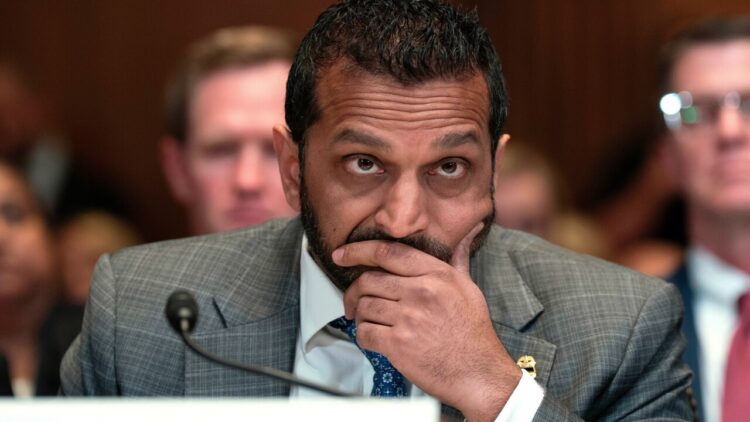
The revelation comes amid broader national attention on Patel’s leadership of the bureau. Just this week, Patel testified before a Senate appropriations panel defending the FBI’s 2027 budget request while also responding to criticism surrounding his international travel and use of bureau aircraft.

AD: Oysterian Sea Food Restaurant And Bar
Reports earlier this year also drew attention after Patel appeared celebrating alongside members of the U.S. men’s hockey team following their Winter Olympics victory in Milan, a trip he later defended as connected to cybercrime cooperation with Italian authorities.
According to the investigation, military personnel coordinated the Pearl Harbor outing and instructed participants not to touch the wreckage. The Navy confirmed the snorkeling session occurred but said officials were unable to determine who initially arranged it.
The FBI has declined to answer detailed questions about the excursion, including whether taxpayer funds were used to support the activity or who accompanied Patel during the visit.
Sacred Site Becomes Political Flashpoint
The USS Arizona Memorial occupies a singular place in American military history as the final resting place for more than 900 sailors killed during the 1941 attack on Pearl Harbour, and is officially managed by the National Park Service as part of the Pearl Harbor National Memorial.
Recreational diving and snorkeling around the wreck are generally prohibited because the site functions as a protected submerged military cemetery, with NPS regulations requiring that any underwater access be strictly controlled through permits and authorisation.
Access to the wreck is therefore not open to the general public and is typically limited to authorised National Park Service personnel, marine archaeologists, Navy divers, and other approved specialists conducting research, maintenance, or ceremonial interments involving Pearl Harbour survivors.
Officials familiar with military protocol told reporters that exceptions have occasionally been granted to senior dignitaries, including defense secretaries, admirals, and high-ranking government officials. The Navy reportedly described Patel’s visit as “not an anomaly,” though the service declined to release records documenting how frequently such access is approved.
The optics surrounding the excursion are difficult to defend. Stacey Young, founder of Justice Connection, a network of former federal prosecutors and Justice Department officials, said the incident reflects a broader pattern of distractions surrounding Patel’s leadership.
Veteran diver Hack Albertson, who participates in preservation dives at the memorial, criticised the practice entirely, comparing recreational access at the site to “having a bachelor party at a church.”
The issue has resonated beyond Washington because Pearl Harbor remains deeply tied to national memory and military sacrifice. Historians note that the USS Arizona still leaks small amounts of oil into the harbour more than eight decades after the attack, symbolising what survivors have often described as the battleship’s “tears.” Many veterans and military families, the memorial represents not simply a tourist attraction but sacred ground.
Some descendants of Pearl Harbor survivors appeared less troubled by Patel’s participation. Deidre Kelley, president of the Sons and Daughters of Pearl Harbor Survivors organization, said she had not heard widespread objections to rare official visits near the wreck, although she acknowledged some families wished they could receive similar access themselves.
The Hawaii disclosure also revived questions surrounding Patel’s overseas diplomacy efforts. During his New Zealand visit shortly before the snorkeling session, Patel opened the FBI’s first standalone office in the country. That trip later generated controversy after reports emerged that Patel had presented local officials with replica 3D-printed pistols that allegedly violated New Zealand firearm laws.
Meanwhile, instability across several federal agencies has added to the political climate surrounding Patel’s tenure. Border Patrol Chief Michael Banks announced his resignation this week amid broader leadership changes inside the Department of Homeland Security, fueling further debate over federal law enforcement management during an election-year atmosphere of heightened scrutiny.
Flight tracking data reviewed by reporters showed that the FBI’s Gulfstream G550 aircraft remained in Hawaii for two nights after Patel’s return from New Zealand before later traveling onward to Las Vegas, Patel’s adopted hometown.
While officials noted the aircraft likely required refuelling before returning to Washington, the FBI has not publicly clarified whether additional official meetings occurred during the extended stay.
So far, no evidence has emerged suggesting Patel violated federal law, military regulations, or FBI travel rules. Even so, the episode has become politically damaging because of the symbolism involved. Critics argue that senior law enforcement officials must exercise caution when engaging in activities that may appear exclusive or recreational, especially at historic memorials honoring fallen service members.
The FBI has largely remained silent as the controversy grows, declining multiple requests for additional details. That silence has only intensified speculation in Washington, where lawmakers from both parties are increasingly demanding greater oversight of government travel, ethics practices, and executive privilege across federal agencies.
With Patel, the newly revealed emails have transformed what might once have been viewed as a routine stopover into another politically charged test of judgement and public perception. At a moment when debates over government accountability, institutional trust, and national security are dominating headlines, even a snorkelling excursion in Hawaii has become part of a much larger national conversation.

AD: Heritage And Restaurant Lounge Bar