
By Gavin Mackintosh And Gabriel Princewill
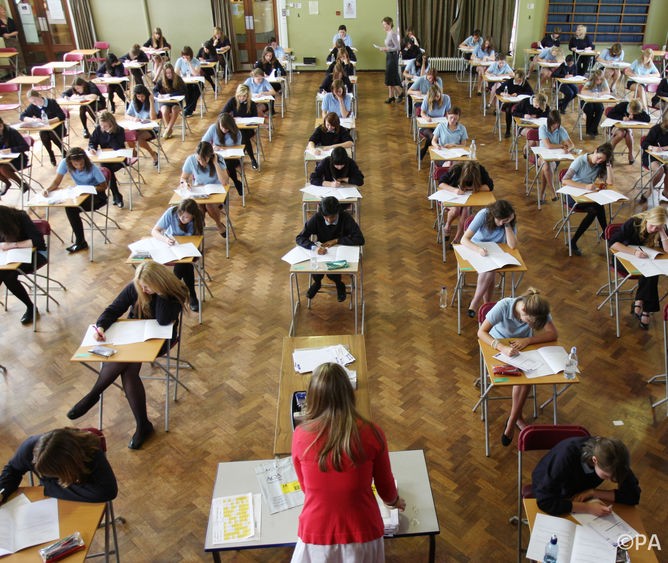
As GCSE examinations across the UK enter their second week, following last week’s official start, growing attention is being placed not only on academic performance , but also on the mental health and emotional wellbeing of the hundreds of thousands of pupils sitting some of the most important exams of their school lives.
Teachers, parents, mental health organisations and education leaders are increasingly urging young people to recognise that exam results do not define their worth, particularly at a time when anxiety, stress and emotional pressure among teenagers remain a significant national concern.

AD: Capeesh Restaurant
The GCSE period for many students, represents months — and sometimes years — of preparation, revision and expectation. While examinations have always carried pressure, education professionals say today’s pupils are navigating additional emotional challenges linked to social media, uncertainty about the future, financial pressures at home, and the lingering emotional impact of disruption experienced during recent years.
Against this backdrop, schools and mental health charities are calling for greater compassion, balance and understanding as students work through the demanding examination season.
Across classrooms, libraries and homes, pupils are often balancing revision schedules with fears about performance, future opportunities and the expectations placed upon them. Mental health experts warn that while moderate stress can sometimes motivate students, excessive anxiety can have the opposite effect, affecting concentration, sleep, memory and confidence.

AD: Oysterian Sea Food Restaurant And Bar
The exam season can become especially overwhelming. some pupils already living with anxiety disorders, depression or other mental health challenges, the exam season can become especially overwhelming. Teachers have reported that many students appear increasingly emotionally exhausted before examinations even begin.
School staff say that revision pressure often combines with concerns about social comparison, particularly in an era where pupils are constantly exposed to discussions about grades, productivity and achievement online.
Educational psychologists say that social media can unintentionally intensify feelings of inadequacy, especially when students compare themselves to peers who appear calm, confident or highly prepared.
Mental health advocates add that it is important to remember that many students sitting GCSEs this year may be quietly dealing with struggles that are invisible to others. Some may be coping with bereavement, family difficulties, financial hardship, bullying, loneliness or ongoing mental health conditions, while simultaneously attempting to meet academic expectations.
Campaigners say recognising these realities is essential in creating a more supportive and compassionate education environment.
Statistics about young people and mental health in the UK make grim reading
- Around 1 in 6 children aged 7–16 in the UK are estimated to have a probable mental health disorder
- A majority of secondary school pupils report feeling stressed or anxious during exam periods
- Exam pressure is consistently ranked among the top causes of stress for teenagers
- Many young people say they feel pressure from both school expectations and social media comparison
Resilience
Educators are keen to praise the resilience and determination shown by pupils who continue attending exams despite emotional difficulties. Many teachers say students often underestimate their own strength, particularly those who persevere through periods of anxiety, panic attacks or low confidence while continuing to revise and attend school each day.
Mental health organisations also have stressed that simply showing up for an exam can itself be a major achievement for some young people. Schools across the country have increasingly introduced wellbeing support measures designed to help students manage exam-related stress. Quiet spaces, counselling sessions, well being workshops and mindfulness activities are becoming more common during exam periods.
Teachers are also encouraging pupils to maintain healthy routines involving sleep, hydration, nutrition and breaks from revision in order to protect both physical and emotional wellbeing.
Education leaders argue that academic success should not come at the expense of mental health. While GCSEs remain important for future education and career pathways, there is growing concern that some students internalise the belief that poor results represent personal failure. Experts warn that this mindset can lead to severe emotional distress, particularly among high-achieving pupils who place enormous pressure on themselves to succeed.
Melanie Sanderson, managing editor of The Good Schools Guide today old The Eye Of Media.Com: ”Students are advised to build regular breaks into the revision timetable. I i’s far more effective to do 30 minutes of focused revision – rather than plough on for hours on end and not get anywhere. Everyone is different and consistency is key, whatever learning style works best.
”Everyone is different and consistency is key for students who musr determine what style works best for them. This is backed up in research by academics at the University of Sheffield who found that learning is more effective when spread out over stretches of time.
”Also worth mentioning is that a little light socialising won’t hurt. Seeing a friend for a walk round the park or rewarding a week of hard revising with a meal out ,or cinema trip seems reasonable to us. Most important of all, parents should help their children to keep everything in perspective.
”Students need to be reminded that their value as a human being doesn’t rely on how well they perform in exams. Their best is good enough. By the end of June the exams will be over and it will be the start of the long summer holidays. Exams can usually be retaken and there is never only one single route to your child’s desired career”.
Parental Support
Parents are also being encouraged to play a supportive rather than purely performance-focused role during the exam season. Mental health specialists advise families to create calm home environments, avoid excessive pressure and reassure young people that their value extends far beyond grades. Open communication, encouragement and emotional reassurance are seen as especially important during periods of high stress.
The emotional strain associated with GCSE exams has become an increasing subject of public discussion in recent years. Studies and surveys conducted by children’s charities and educational organisations have repeatedly highlighted rising levels of stress and anxiety among secondary school pupils.
Some students report struggling with panic attacks, sleep disruption and feelings of burnout during revision periods. Others describe feeling overwhelmed by fears about disappointing teachers, parents or themselves.Mental health charities say exam stress becomes particularly dangerous when young people feel isolated or unable to discuss their emotions openly. Such stress can have long term mental health effects on individuals, if not addressed and counteracted effectively.
Campaigners are therefore encouraging students to speak honestly about how they are feeling, rather than suffering in silence. Teachers and support staff are being reminded that emotional wellbeing can significantly affect academic performance and that struggling students may need reassurance and understanding rather than criticism.
Experts also point out that every student experiences pressure differently. While some pupils may thrive under structured revision routines, others may become paralysed by fear of failure or struggle to maintain concentration during stressful periods.
Students with pre-existing mental health conditions, neurodiverse learners and those facing difficult personal circumstances may require additional flexibility and support during examinations.
Despite these challenges, stories of perseverance continue to emerge from schools nationwide. Teachers frequently describe students overcoming extraordinary difficulties to sit their exams, including pupils managing chronic illness, grief, caring responsibilities or severe anxiety. Education staff say these examples demonstrate courage and determination that deserve recognition regardless of eventual grades.
Mental health professionals continue to emphasise the importance of balance during revision periods. While preparation matters, experts say students should also prioritise rest, exercise and social connection. Spending every waking hour revising can sometimes increase stress levels rather than improve performance.
Experts advice pupils to maintain realistic expectations and healthy routines can often support concentration and emotional stability more effectively than excessive studying.
Schools are also increasingly encouraging pupils to define success more broadly. While strong grades may open doors to further education and career opportunities, educators stress that character, resilience, creativity, kindness and determination remain equally valuable qualities that examinations cannot fully measure. Many teachers hope this message will help reduce the intense pressure some students place upon themselves during exam season.
The discussion surrounding GCSE stress has also reignited broader debates about the education system and the pressure placed on young people. Some campaigners argue that high-stakes examinations place too much emphasis on memorisation and performance under pressure, potentially disadvantaging students who struggle with anxiety or mental health conditions.
Others maintain that exams remain an important way of assessing knowledge and preparing pupils for future challenges, while agreeing that stronger mental health support is essential.
Government bodies, schools and mental health organisations continue to explore ways of improving emotional support for young people during examinations. Increased awareness campaigns, school-based counselling services and wellbeing education are among the initiatives being promoted to help students develop healthier coping strategies and emotional resilience.
Former social worker, English and French teacher, Anji ossai told this publication: ‘The immediate challenge remains navigating the next several weeks of examinations while managing stress and uncertainty. ”Students should remember that moments of panic or self-doubt are common and do not necessarily reflect their abilities or future outcomes. Many educators are encouraging pupils to focus on effort rather than perfection, and to approach each exam one step at a time”.
Mental health organisations have also issued reminders that asking for help is a sign of strength rather than weakness. Whether speaking to teachers, parents, friends or professional support services, students are being encouraged not to isolate themselves during periods of high pressure. Experts say emotional support can significantly improve both wellbeing and academic confidence.
As examination halls continue to fill across the country, there is growing recognition that today’s students are carrying more than revision notes and textbooks into their exams. Many are also carrying emotional burdens, personal struggles and fears about the future. Yet alongside those pressures comes remarkable resilience shown by pupils who continue striving forward despite uncertainty and stress.
Education leaders say society must continue moving towards a healthier culture surrounding achievement and wellbeing. Encouraging ambition while protecting mental health is increasingly viewed as essential in supporting young people not only academically but emotionally and socially as well.
Campaigners argue that success should involve helping students become healthy, confident and resilient individuals rather than simply producing strong examination statistics.The message from schools, mental health organisations and many parents is that students should be proud of the effort they have already shown simply by reaching this stage. Whether pupils achieve top grades, exceed expectations or face disappointment, their worth extends far beyond examination papers.
Ossai continued: ”The encouragement that should be repeated across classrooms and households for students struggling with anxiety, stress or mental health difficulties during the exam period, is both simple and powerful. They are not alone, they are more capable than they may believe, and asking for support is never something to be ashamed of”.
In a season often dominated by grades and performance tables, many educators hope equal attention will now be given to compassion, resilience and emotional wellbeing.
GCSE exams may test academic knowledge, but this year’s conversation surrounding mental health is also highlighting another important lesson — that supporting young people emotionally is just as important as preparing them academically.
These exams are undoubtedly one of the most demanding periods of a teenager’s education in the UK. Many across the country are hoping they emerge not only with qualifications, but with the confidence and resilience to move forward into the future with strength and self-belief.

AD: Heritage And Restaurant Lounge Bar