
By Isabelle Wilson-
Devastating wildfires sweeping across parts of Georgia and northern Florida have destroyed homes, forced mass evacuations, and triggered emergency declarations as dry, windy conditions fuel fast-moving blazes across the region.
Firefighters across both states are battling multiple active fires that have spread rapidly through drought-stricken woodland and rural communities. Officials say the situation remains highly dangerous, with flames continuing to advance in several counties and smoke drifting hundreds of miles, affecting air quality in major cities including Atlanta and Jacksonville.

AD: Capeesh Restaurant
The unfolding disaster has already become one of the most severe wildfire outbreaks in the southeastern United States this year, with authorities warning that conditions could worsen before any significant rainfall arrives.
In Georgia, officials have confirmed that dozens of homes have been destroyed, with entire neighbourhoods forced to evacuate as fires moved quickly through dry vegetation. One of the most heavily impacted areas is Brantley County, where flames have torn through residential zones and rural land, leaving families with little time to escape.
According to emergency updates, nearly 50 homes have been lost across Georgia and Florida combined, with more structures threatened as fires continue to spread. In some areas, residents reported receiving evacuation warnings only minutes before roads were engulfed by smoke and fire, highlighting the speed at which the blazes intensified under strong winds.

AD: Oysterian Sea Food Restaurant And Bar
Florida is also facing widespread fire activity, with dozens of active wildfires burning across the northern part of the state. Emergency services say the combination of prolonged drought and low humidity has created ideal conditions for rapid fire spread, particularly in forested and grassland areas.
Authorities in both states have opened emergency shelters to accommodate displaced residents, while National Guard and firefighting crews have been deployed to support containment efforts. In several counties, mandatory evacuation orders remain in place as officials warn that shifting winds could push flames into new communities without notice.
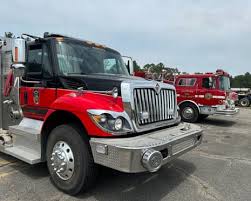
Images from affected regions show firefighters battling intense flames as smoke blankets roads and reduces visibility to dangerous levels. In some cases, entire stretches of highway have been closed, further complicating evacuation and emergency response efforts.
Meteorologists and fire officials say the scale and speed of the wildfires are being driven by an extreme combination of drought conditions, strong winds, and unusually dry vegetation across the southeastern United States.
Georgia is experiencing one of its most severe drought periods in years, with rainfall levels significantly below seasonal averages. The lack of moisture has left forests and farmland highly susceptible to ignition, turning even small sparks into rapidly spreading fires.
In Florida, fire risk has also been elevated for weeks, with officials warning that the state is in the midst of one of its most active fire seasons in decades. Prolonged dry spells have left large parts of the state vulnerable, and experts say human activity combined with natural ignition sources such as lightning has contributed to the surge in outbreaks.
Fire behaviour experts note that once flames establish themselves in these conditions, they can move unpredictably, driven by wind gusts that shift direction and intensity. This makes containment efforts particularly difficult, even for experienced crews.
The situation has been further complicated by smoke spreading across state lines, affecting air quality in major population centres. Health officials have advised residents to remain indoors where possible, especially those with respiratory conditions, as fine particulate matter in wildfire smoke can pose serious health risks.
Emergency management agencies are also urging residents in at-risk zones to prepare evacuation plans and avoid activities that could spark new fires, such as outdoor burning or equipment use in dry grasslands.
Firefighting teams from multiple agencies are now working around the clock to contain the blazes, using aerial water drops, bulldozers, and ground crews to slow the spread. However, officials caution that full containment may take days or even weeks depending on weather conditions.
In Georgia, state authorities have issued burn bans across dozens of counties to reduce the risk of additional fires igniting. Similar restrictions are in place across parts of Florida, where officials are closely monitoring hotspots and shifting fire lines.
The rapid escalation of the fires has prompted comparisons to some of the region’s worst wildfire seasons in recent memory, raising concerns about how climate variability and long-term drought trends are increasing fire risk in areas not traditionally associated with large-scale wildfires.
While some forecasts suggest the possibility of scattered rainfall later in the week, fire officials warn that any relief may be limited and insufficient to significantly slow the current outbreaks.
Thousands of residents remain displaced, with many uncertain when they will be able to return home. As firefighters continue their efforts on the ground, the focus remains on protecting lives and preventing further destruction as the fires continue to burn across Georgia and Florida.
Emergency shelters across both states are operating at capacity, with families staying in schools, community centres and temporary evacuation facilities set up by local authorities and aid organisations. The immediate concern is not only the loss of property but also the uncertainty surrounding what, if anything, will be left when it is safe to return.
Officials warn that even in areas where flames have passed, conditions remain hazardous due to smouldering hotspots, weakened structures and fallen power lines. Utility companies are working to restore electricity in affected regions, but widespread damage to infrastructure has slowed progress. Local leaders have urged patience, stressing that re-entry zones will only reopen once they are fully assessed for safety.
Meanwhile, firefighters continue to battle unpredictable flare-ups driven by shifting winds and dry vegetation, with crews rotated in and out to manage exhaustion in extreme conditions.

AD: Heritage And Restaurant Lounge Bar