
By Gavin Mackintosh-
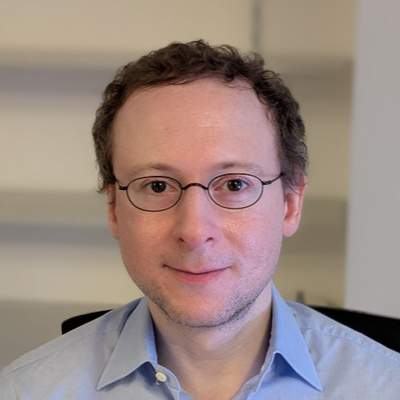
Ghent University has suspended academic Nathan Cofnas as it launches a preliminary disciplinary investigation into his public statements concerning the late Cambridge professor Jason Arday, a development that has added another dramatic chapter to a controversy that has already raised difficult questions about academic freedom, institutional responsibility and the limits of public criticism.
The Belgian university said the suspension was a precautionary measure, and stressed that no final disciplinary decision had been made. Cofnas has said he is being investigated for allegedly discriminating against Arday. The decision follows the death of Arday, 41, who was found dead in south London on August 14, days after resigning from the University of Cambridge amid intense scrutiny of allegations concerning his academic work and professional history.

AD: Capeesh Restaurant
In addition to allegations of plagiarism in Arday’s thesis, Arday repeatedly said that he was non-verbal until around the age of 11, and that claim was part of the biographical story surrounding his rise to Cambridge. However, in August 2026, former schoolmates came forward to challenge the claim.
The Guardian reported that some former classmates remembered Arday as a talkative and humorous child, apparently contradicting the assertion that he was unable to speak until 11. The same reporting also found people who supported aspects of his account, including recollections of him being quiet, receiving additional support and communicating differently as a child
Police have said his death was unexpected but not considered suspicious. His death subsequently prompted widespread mourning, with more than 30,000 people reportedly attending a vigil in Trafalgar Square, while his family said he had endured a sustained campaign of abuse and misinformation.

AD: Oysterian Sea Food Restaurant And Bar
Cofnas was among the academics who publicly questioned Arday’s work, including allegations that passages of his doctoral thesis had been copied from another academic’s work. Arday rejected the broader plagiarism allegations, while an earlier investigation by Liverpool John Moores University, which awarded his PhD, did not uphold a plagiarism charge and concluded that the similarities were likely the result of “honest and reasonable error”, according to reporting on the controversy.
The controversy intensified after Arday’s appointment at Cambridge, where he became the youngest Black professor in the university’s history in 2023. His rapid rise had made him a prominent figure in British higher education, particularly in debates about race, representation and social mobility. But his achievements subsequently came under increasingly aggressive scrutiny, with critics questioning aspects of his academic work and other claims about his career and personal accomplishments.
Arday eventually resigned from Cambridge on August 5, saying the relentless accusations and public commentary had taken a profound toll on him and those close to him. Against that background, Ghent’s decision to suspend Cofnas can be understood as an attempt to draw a line between legitimate academic criticism and conduct that the university believes may have crossed institutional boundaries.
Ghent’s rector, Petra De Sutter, and vice-rector, Herwig Reynaert, said the university supports academic freedom and open debate, including controversial views, but added that such freedom “is not unlimited” and comes with responsibility. They said it could be restricted where necessary to protect the rights of others. South Bank university of Law lecturer, Gregory Aloke, an authour and researcher, told The Eye Of Media.Com : ‘Academic freedom is fundamentally intended to protect the ability of researchers to question established ideas, challenge powerful institutions and expose possible wrongdoing.
‘Allegations of plagiarism, if supported by credible evidence, are plainly matters that academics should be able to raise. Universities would risk undermining scholarship if criticism of a professor’s work could itself become grounds for punishment simply because the subject of the criticism was controversial or unpopular.
‘But academic freedom is not synonymous with unlimited freedom to conduct public campaigns against individuals. There is a difference between presenting evidence through appropriate scholarly or institutional channels and repeatedly making public accusations in ways that could potentially become harassment, discrimination or reputational persecution’.
That appears to be the boundary Ghent is now examining. The university has not said that Cofnas is guilty of discrimination, nor has it concluded that his allegations against Arday were false. Instead, it has opened an investigation to establish whether disciplinary action is warranted.
Those are separate issues. What can reasonably be examined is whether the manner in which criticism was pursued was consistent with the standards expected of an academic working at a major university. Ghent’s suspension therefore potentially serves another purpose: preserving the integrity of the investigation itself.
The institution has also said it is assessing whether there are sufficient grounds to refer the case to the competent disciplinary body and has declined to disclose details of the personnel proceedings because of confidentiality requirements. The controversy also exposes the difficult environment in which modern universities operate.
Social media has dramatically changed academic disputes, allowing allegations that might once have remained within journals, conferences or university committees to reach enormous audiences within hours.
Cofnas himself has described his views as “race realism” and has previously attracted controversy over his commentary on race. He was previously removed from a Cambridge position following disputes over his public statements, although he has defended his views and challenged aspects of that decision. His suspension at Ghent is therefore occurring against a longer background of conflict over where universities should draw the boundary between controversial speech and institutional standards.
That question now carries unusual weight. Arday’s death has transformed what began as a dispute over academic credentials into a national conversation about scrutiny, race, institutional accountability and the consequences of public condemnation. Ghent’s investigation is expected to become significant not only for Cofnas, but for universities confronting the increasingly blurred boundary between rigorous academic criticism and personal public campaigns.
The university;s stance is that freedom to challenge ideas remains protected, but it does not automatically provide immunity from scrutiny over how those challenges are made.Arday rejected the broader plagiarism allegations, while an earlier investigation by Liverpool John Moores University, which awarded his PhD, did not uphold a plagiarism charge and concluded that the similarities were likely the result of “honest and reasonable error”.
The controversy intensified after Arday’s appointment at Cambridge, where he became the youngest Black professor in the university’s history in 2023. His rapid rise had made him a prominent figure in British higher education, particularly in discussions or debates about race, representation and social mobility.
Arday eventually resigned from Cambridge on August 5, saying the relentless accusations and public commentary had taken a profound toll on him, and those close to him. Against that background, Ghent’s decision to suspend Cofnas can be understood as an attempt to draw a line between legitimate academic criticism and conduct that the university believes may have crossed institutional boundaries.
Ghent’s rector, Petra De Sutter, and vice-rector, Herwig Reynaert, said the university supports academic freedom and open debate, including controversial views, but added that such freedom “is not unlimited” , and comes with responsibility. They said it could be restricted where necessary to protect the rights of others.
Academic freedom is fundamentally intended to protect the ability of researchers to question established ideas, challenge powerful institutions and expose possible wrongdoing. Allegations of plagiarism, if supported by credible evidence, are plainly matters that academics should be able to raise.
Universities would risk undermining scholarship if criticism of a professor’s work could itself become grounds for punishment simply because the subject of the criticism was controversial or unpopular. But academic freedom is not synonymous with unlimited freedom to conduct public campaigns against individuals.
There is a difference between presenting evidence through appropriate scholarly or institutional channels and repeatedly making public accusations in ways that could potentially become harassment, discrimination or reputational persecution. That appears to be the boundary Ghent is now examining. The university has not said that Cofnas

AD: Heritage And Restaurant Lounge Bar