
By Lucy Caulkett-
The Gambling Commission has appointed a senior Department for Digital, Culture, Media and Sport (DCMS) official to strengthen its executive leadership team as the UK gambling regulator continues to navigate a period of significant change, political pressure and industry uncertainty.
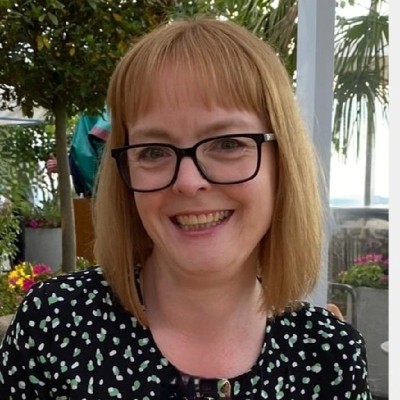
Sarah Fox, who has led the DCMS Gambling and Lotteries team for the past four years, will join the Commission on secondment and take responsibility for the regulator’s Policy, Research and Statistics functions, while also overseeing National Lottery regulation.

AD: Capeesh Restaurant
Her appointment represents the latest development in a major reshuffle at the organisation, which has experienced a series of high-profile leadership changes in recent months. The Commission has been operating through a period of instability following the departure of Executive Director Tim Miller and former Chief Executive Officer Andrew Rhodes, leaving questions over the regulator’s long-term direction at a critical time for the gambling sector.
The appointment comes as the industry faces some of its most significant regulatory challenges in years. Gambling operators are preparing for the impact of increased taxation announced in the November Budget, while the planned introduction of Financial Risk Assessments (FRAs) continues to generate debate among businesses, campaigners and policymakers.
At the same time, the Commission is progressing with reforms arising from the government’s Gambling Act review and subsequent white paper, which aims to modernise gambling regulation and strengthen consumer protection.

AD: Oysterian Sea Food Restaurant And Bar
However, critics have raised concerns about the regulator’s leadership structure, with the organisation currently without a permanent chief executive, executive director and chair. Some industry observers have questioned whether continued changes at the top could affect confidence in the Commission’s ability to deliver major reforms effectively.
Against that backdrop, Sarah Fox’s arrival is being viewed as an important appointment for an organisation under intense scrutiny. While some critics have previously questioned whether the Commission has sufficient direct gambling industry expertise among its senior figures, Fox brings extensive experience of gambling policy and regulation through her work at DCMS.
Sarah Gardner, Acting Chief Executive of the Gambling Commission, welcomed the appointment, describing Fox’s knowledge of the sector as a valuable asset as the regulator moves towards completing key reforms.
“I am delighted to welcome Sarah to the Commission,” Gardner said. “We are incredibly fortunate to have someone with Sarah’s experience joining us. The Commission has an ambitious strategy so having someone who is already working across the gambling and lotteries sector will be invaluable.”
She added that Fox would play a key role as the Commission assesses the impact of regulatory changes, completes implementation of the government’s white paper measures and continues to protect National Lottery players while ensuring returns to good causes are maximised.
Fox’s move follows more than two decades of public service experience across several government departments, including the Home Office, Department of Health and Social Care, Cabinet Office, Department for Levelling Up, Housing and Communities, and DCMS.
During her time at DCMS, Fox played a significant role in shaping gambling policy, including work connected to the Gambling Act review and the development of reforms that followed. She was also involved in the transition process for the fourth National Lottery licence, one of the most important regulatory developments in the sector in recent years.
Her responsibilities at DCMS also included policy oversight for society lotteries and the horse racing sector, areas closely connected to gambling regulation and funding models.
Although Fox has not worked directly for a gambling operator, supporters of her appointment argue that her regulatory background gives her valuable insight into the challenges facing the industry. Her experience places her at the centre of government decision-making on gambling policy during a period of rapid change.
Fox also serves as DCMS’ senior disability champion, supporting departmental inclusion initiatives and using her own lived experience to promote disability awareness within the Civil Service.
Speaking about her appointment, Fox said she was looking forward to continuing the work of making gambling safer, fairer and free from criminal activity.
“Over the last four years I’ve seen first-hand the work of the Commission, and the expertise, talent and enthusiasm of its teams,” she said. “So much has been achieved over a time that has been significant for the gambling sector and everyone with an interest in it.”
She added that the opportunity to join the Commission and help deliver its objectives was one she was “really excited” to take forward.
The appointment also takes place during wider uncertainty within government. The DCMS itself has been subject to speculation about potential changes, although Lisa Nandy is expected to continue leading the department under new Prime Minister Andy Burnham.
Baroness Fiona Twycross, who heads the recently established Illegal Gambling Taskforce, will also remain involved with DCMS, although it remains unclear whether she will continue in the role of Gambling Minister.
Fox’s appointment comes at a pivotal moment for the UK gambling industry. Operators are facing increased financial pressures, regulatory obligations and greater scrutiny over issues including player protection, affordability checks and the prevention of gambling-related harm.
One of the most controversial upcoming measures is the introduction of Financial Risk Assessments, designed to identify consumers who may be at risk of financial harm from gambling.
Supporters of the measure insist the checks are necessary to protect vulnerable players, while some within the industry have warned about potential impacts on privacy, customer experience and the competitiveness of the regulated market.
The wider reforms follow years of debate over how gambling should be regulated in the digital age. The growth of online gambling, the expansion of mobile betting and concerns about gambling-related harm have increased pressure on policymakers to strengthen oversight.
The Gambling Commission has insisted that its reforms are aimed at creating a safer and more sustainable gambling environment. However, the regulator’s ability to deliver those ambitions will depend heavily on stable leadership and effective implementation.
Fox’s appointment provides the Commission with a senior official who has been closely involved in gambling policy from within government. Whether her arrival will restore confidence among critics or lead to further debate about the regulator’s approach remains to be seen.
For an industry already experiencing significant transformation, the appointment marks another important chapter in the ongoing battle to define the future of gambling regulation in the UK.

AD: Heritage And Restaurant Lounge Bar