
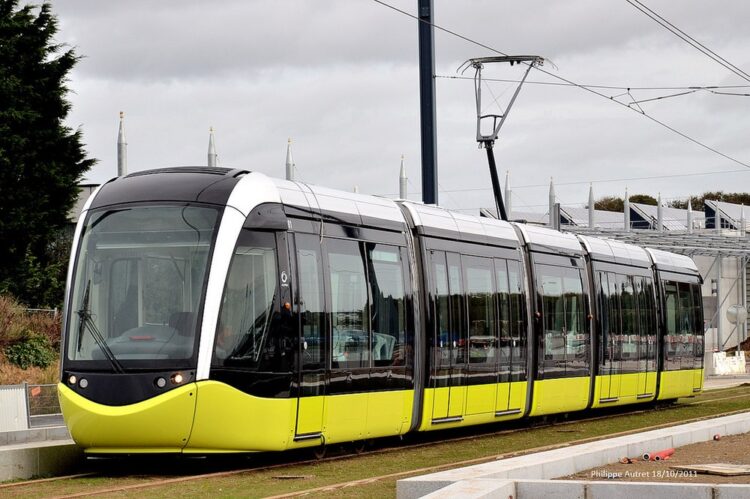
By Charlotte Webster-
Plans for a transformative £2.5 billion tram network intended to link Leeds and Bradford have been pushed back significantly after an extensive government review of the project’s business case and development strategy, marking another setback in the United Kingdom’s efforts to expand urban rail infrastructure.
The delay is being felt across West Yorkshire, raising questions about project delivery timelines, economic growth prospects and the future of mass transit in one of England’s largest metropolitan regions.

AD: Capeesh Restaurant
The scheme, championed by the West Yorkshire Combined Authority (WYCA), was originally designed to deliver a modern, high-capacity tram system connecting major urban centres such as Leeds, Bradford, Wakefield, Huddersfield and Halifax.
Both local leaders and transport planners had anticipated that trams would be running by the early 2030s, with construction symbolically described as “spades in the ground” expected to begin by 2028. However, after a government review, those targets have been recalibrated, with first services now likely to arrive in the late 2030s rather than the early 2030s.
The decision to delay stems from an assessment conducted by the Department for Transport and officials within WYCA, which concluded that the original approach to simultaneous route planning and business case submission carried too much risk.

AD: Oysterian Sea Food Restaurant And Bar
Local officials had planned to develop route details while also progressing the project’s business case with the central government, but ministers urged a more sequential process to ensure the scheme’s economic justification and technical robustness.
This recommendation means additional time will be spent refining both the strategic outline and the outline business case before any major construction contracts are tendered.
West Yorkshire’s mayor, Tracy Brabin, expressed frustration over the delay but maintained that the commitment to the project remained intact. Authorities stress that the review does not signal a withdrawal of government support, only a shift in sequencing intended to reduce risks of overruns and ensure greater scrutiny of projected costs and benefits.
The implications of the review extend beyond simple timelines. Public transport proponents argue that delays like this risk undermining confidence in large-scale infrastructure projects, particularly in regions that have struggled for transport investment relative to London and the South East.
Critics warn that prolonged planning periods and shifting deadlines may lead to rising costs, reduced public support, and further stretching of the original £2.5 billion budget.
While West Yorkshire’s network is a flagship project in the region’s broader economic strategy, delays could affect related regeneration plans designed to capitalise on improved connectivity between major northern cities.
Transport infrastructure has become a focal point in debates over regional inequality in the UK. In West Yorkshire, advocates of the tram project see it as a linchpin for economic revitalisation, job creation and reducing car dependency in some of the country’s most congested urban corridors.
Estimates from local authorities and planning documents suggest the scheme could support tens of thousands of jobs and unlock substantial growth by enhancing access to employment, education and leisure opportunities.
Yet, with the revised timeline now extending tram services into the late 2030s, some businesses and community groups worry that immediate economic benefits will be delayed accordingly.
The delay also arrives against the backdrop of a broader national push for transport investment outside London. Earlier in 2025, the government pledged a £15.6 billion transport funding package aimed at boosting tram, bus and rail schemes across the North, Midlands and regions beyond the capital.
West Yorkshire was slated to receive £2.1 billion as part of that wider settlement to support its mass transit ambitions.
Despite this promised support, the requirement for a more detailed business case underscores lingering concerns within Whitehall about whether projects of this scale can consistently deliver value for money.
Officials have cited the need to avoid repeating costly overruns and planning pitfalls seen in historic infrastructure schemes, arguing that rigorous upfront analysis is essential to secure long-term success and public trust.
Lessons from Past Transit Projects
The challenges confronting the West Yorkshire tram plan are not without historical precedent. Transport projects across the UK have experienced delays, cost escalations and political pushback over the decades.
For example, earlier iterations of tram proposals such as the ambitious Leeds Supertram initiative in the early 2000s were ultimately cancelled after rising costs and government hesitancy led to stalled progress. That experience continues to inform public and political sensitivities around the viability of urban light rail in the region.
Similarly, complex and high-profile schemes like Edinburgh’s longstanding tram programme have grappled with delays, budget overshoots and public inquiries into management and delivery failures. Such historical contexts feed into government anxieties about committing multi-billion-pound budgets without exhaustive preparatory work.
While technically distinct from the West Yorkshire proposal, these examples illustrate the entrenched challenges facing major UK transport infrastructure initiatives and the heightened scrutiny they attract from ministers and the media alike.
In response to the review, WYCA officials have signalled that the project’s development will enter a more deliberate phase of consultation, technical design and economic evaluation. Efforts will focus on refining route options, conducting transport modelling and strengthening the project’s value-for-money case.
This updated process is intended to make the eventual business case submission to ministers more robust and defensible.
Mayor Brabin and other regional leaders have emphasised their intention to maintain momentum despite the timeline shift. They argue that the tram network remains a critical component of West Yorkshire’s long-term transport strategy and wider economic blueprint.
Regional leaders also contend that firming up the business case now could secure greater certainty for investment and delivery further down the line.
Even with these assurances, public expectations will need to be managed carefully. Delay detractors argue that extended planning periods risk dampening enthusiasm and could weaken the perception of political commitment to northern transport priorities.
Supporters counter that thorough groundwork is crucial to avoid costly mid-project changes and community backlash during later stages. The broader political context also matters. As transport funding is calibrated within national spending frameworks and fiscal pressures, every project must justify its inclusion in a crowded infrastructure agenda.
Ministers and local authorities will need to demonstrate that investment in West Yorkshire’s tram network aligns with national goals of reducing carbon emissions, bolstering economic productivity and ensuring equitable access to reliable transport.
The decision to delay the £2.5 billion West Yorkshire tram network underlines the complex interplay between local ambitions and national oversight in the UK’s transport planning landscape. Although disappointing for proponents eager to see trams running by the early 2030s, the revised plan reflects a government emphasis on financial scrutiny and phased development.
Work continues to refine the project’s business case and secure ministerial backing, the future of the tram network will hinge on balancing regional growth aspirations with careful, evidence-based planning that can withstand political and economic scrutiny.
The extended timeline, while unwelcome to many, offers an opportunity to build a stronger foundation for what remains one of the most ambitious regional transport projects in recent British history.

AD: Heritage And Restaurant Lounge Bar