
By Sammy Jones-
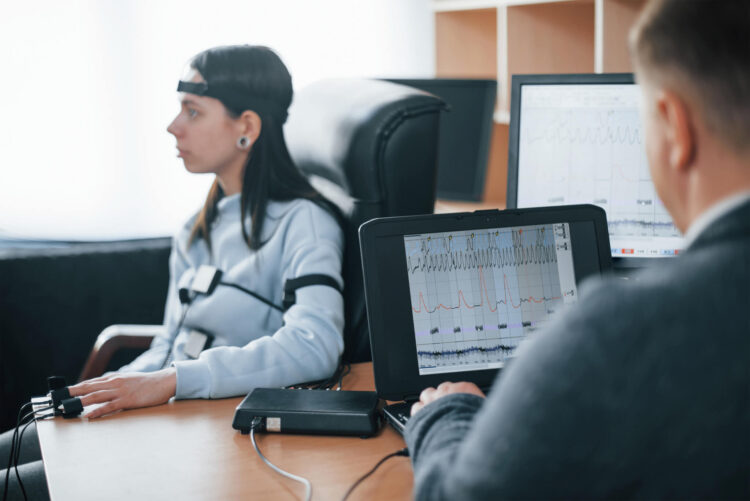
Lie detector tests should be used as part of vetting procedures for hiring police officers in the Uk, to minimise the chances of hiring corrupt police officers.
Such a practise will bring Britain in line with the more advanced practise which has long been in place in America. Ther eis no reason why this country should lag behind in standards compared with America.

AD: Capeesh Restaurant
The shocking case of David Carrick, a Metropolitan Police officer who admitted to 71 sexual offenses, including 24 counts of rape against 12 women over nearly two decades, exposed a profound, systemic failure in police vetting procedures. The disturbing truth is that Carrick was reported to police for domestic or sexual violence on no fewer than nine occasions, yet he remained an officer, even serving in an elite armed unit protecting government buildings.
The case, along with that of Wayne Couzens who murdered Sarah Everard, has shattered public trust and prompted urgent calls for reform. While current reviews are focusing on improving existing checks, a critical and controversial tool remains largely untapped for recruitment screening in the UK, and that’s the use of the polygraph test. Implementing mandatory lie detector tests during the police vetting process could provide an essential safeguard, helping to flag deceptive candidates and restore faith in an institution grappling with an integrity crisis.
David Carrick’s ability to “slip through the net” highlights the limitations of current vetting systems, which often rely heavily on self-declaration and passive database checks. Investigations by the Independent Office for Police Conduct (IOPC) found “serious flaws” and “missed opportunities” where local forces failed to connect the dots on multiple allegations. In one instance, a police constable took minimal investigative action and did not contact the victim. The IOPC noted that, had these reports been handled appropriately, Carrick might have faced gross misconduct proceedings and dismissal years earlier.

AD: Oysterian Sea Food Restaurant And Bar
The core issue is that traditional vetting often struggles to proactively uncover an applicant’s hidden life, particularly a predatory one like Carrick’s, which was characterised by coercive control and using his position of power to silence victims. The system placed too much reliance on a paper trail and not enough on assessing the “whole person”.
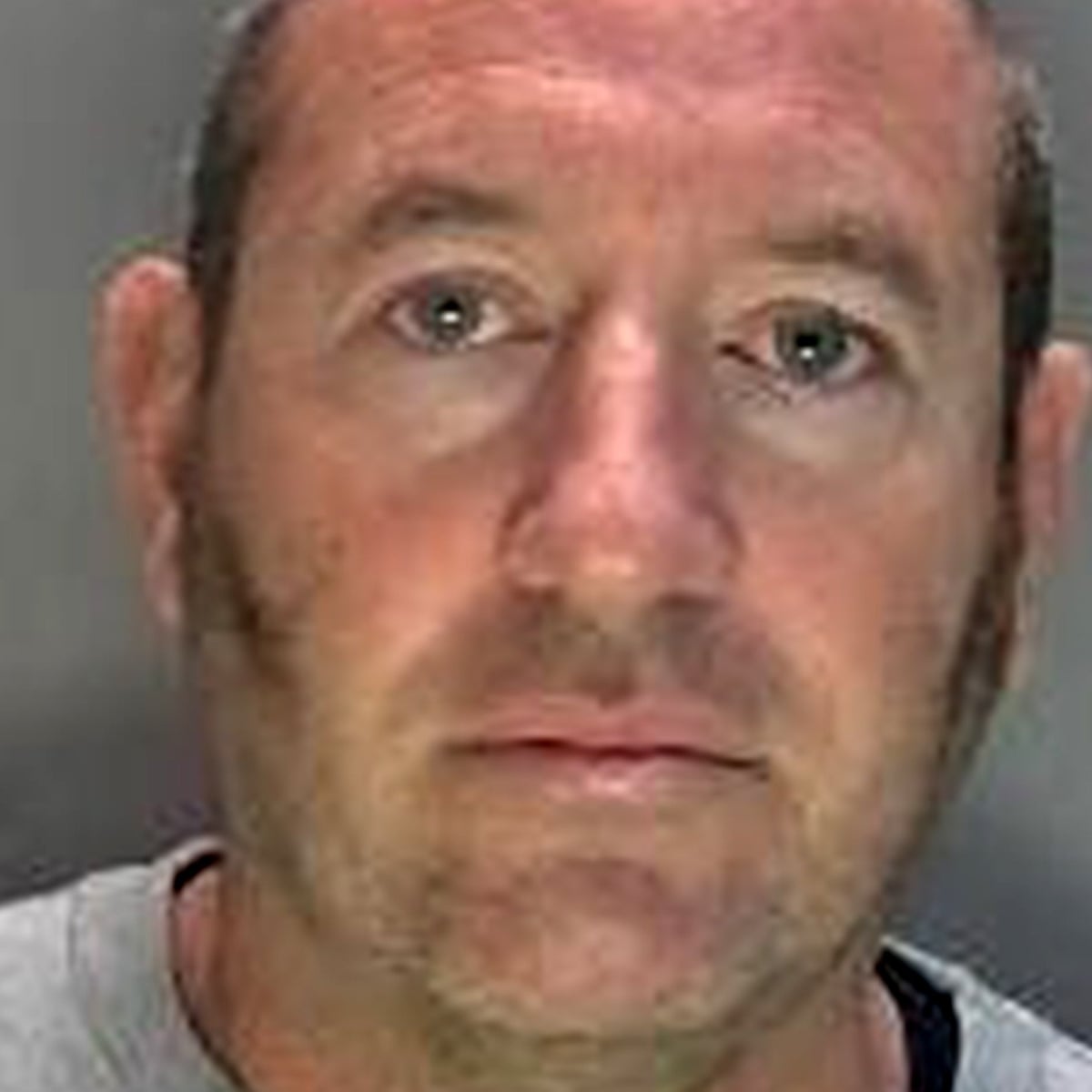
Disgraced pervert former cop: David Carrick Image: HERTFORDSHIRE POLICE
Polygraph examinations, while controversial, offer a proactive method to assess a candidate’s integrity and uncover concealed disqualifying behaviours that might otherwise go undetected. The test measures physiological responses such as heart rate, blood pressure, and respiration, which can indicate deception when a person is asked specific, targeted questions.
In pre-employment screening, the goal isn’t necessarily to gather court-admissible evidence (polygraph results are generally inadmissible in UK courts), but to guide the hiring process and encourage truthful disclosures.
The knowledge that they are hooked up to a “lie detector” often prompts applicants to be more forthcoming about past discretions, from drug use to unreported criminal activity, in the pre-test interview or during the test itself. In the US, where police pre-employment polygraph tests are common, agencies report uncovering information about applicants’ involvement in serious crimes, including rape and armed robbery.
High-risk roles within the police, especially those in contact with vulnerable populations, makes this additional layer of scrutiny is invaluable. A pre-employment polygraph could pose direct, unambiguous questions: “Have you ever committed a serious, unreported crime?”, “Have you ever physically or sexually assaulted anyone?”, “Have you ever abused your power or position?” A significant response to such a question would not automatically disqualify a candidate, but it would trigger a mandatory, deeper investigation, providing the “proactive” element sorely missing in the Carrick case.
The primary criticism of polygraph tests is their scientific validity and the risk of “false positives,” where a truthful person is identified as deceptive. Scientific bodies like the National Research Council have concluded there is “little basis” for the expectation of extremely high accuracy, and the test can be fallible due to an examinee’s intelligence, mental state, or the skill of the examiner.
However, proponents argue the issue is often a misunderstanding of the tool itself. Polygraphs should not be the sole determinant of a hiring decision but one component of a comprehensive “whole person” approach to vetting.
When used as an investigative aid rather than a pass/fail judgment, their utility increases significantly. In the UK, mandatory polygraphs are already used as a license condition for convicted sex offenders and individuals with terrorism-related offenses on parole, demonstrating a recognised, albeit conditional, effectiveness in risk management.
The argument is not for a perfect, infallible machine, but a practical one that adds a new dimension to integrity checks, providing information that other vetting methods might miss.
A Sky News investigation in 2024 revealed that dozens of police officers have been convicted of rape and sexual assault crimes since the murder of Sarah Everard. which adds to the need for tighter vetting procedures in the police force. Add to that an investigation by The Sun Newspaper in 2022 which revealed convictions against polic eofficers that include assault and burglary, it becomes clear why polygraph tests at the entry stage should be carefully considered.
The cultural and institutional failures that allowed David Carrick to operate for two decades have inflicted irreparable harm on the victims and a deep wound on the public’s trust in policing. The financial and emotional cost of these failures is immense.
Implementing mandatory polygraph screening for police recruits should be viewed as a step towards building a police service that can genuinely claim to maintain the highest ethical and professional standards. While not a silver bullet, it is a proven method for enhancing the selection process, deterring unsuitable applicants, and providing an early warning system against those who, like Carrick, have something terrible to hide. The price of this integrity measure pales in comparison to the cost of another serial offender slipping through the net.
The U.S. system in this respect has an advantage over the UK in using polygraph tests for police job vetting is the widespread use and legal/cultural acceptance of the practice, which enables large-scale, standardized pre-employment screening not systematically available in the UK. Polygraph tests (commonly referred to as lie detectors) are used in the US police vetting procedures, both at the federal and local levels. However, their use and admissibility vary across jurisdictions.
Many police departments and federal law enforcement agencies, such as the FBI, CIA, and DEA, use polygraphs as a pre-employment screening tool. It is estimated that a significant number of job applicants are polygraphed by the federal government annually.
U.S. federal agencies (like the FBI and CIA) and many local police departments widely use polygraphs for security clearances and job screenings. This allows for an additional, specialized layer of scrutiny on a mass scale to vet the integrity of potential officers before they are hired. Polygraphs are a well-established and culturally accepted part of the U.S. vetting landscape. While their admissibility in U.S. courts is debated and often limited, this broad acceptance allows them to be a routine and influential part of the administrative hiring process.
The U.S. system is designed for high-volume, cost-effective, and efficient screening, which facilitates processing a large number of police job applicants.
The polygraph process, even if its scientific validity is debated, is effective at prompting individuals to disclose information they might otherwise withhold, as they fear the machine will catch them in a lie (known as the “bogus pipeline effect”). This leads to more comprehensive background information for vetting officials.

AD: Heritage And Restaurant Lounge Bar