
By James Simons-
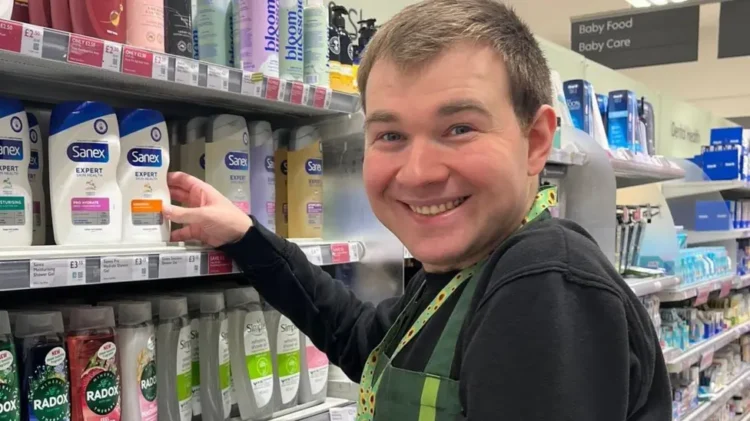
When a 28-year-old autistic man lost his unpaid volunteer role at supermarket chain Waitrose, the backlash was swift and vocal. Within weeks, he had secured paid work first with rival retailer Asda and then a renewed offer from Waitrose itself. His journey has sparked a wider debate over neurodiversity, volunteering, and fairness in employment.
The man, Tom Boyd, began volunteering at Waitrose’s Cheadle Hulme store in Greater Manchester in 2021, as part of a college placement. Over four years, he clocked more than 600 hours assisting alongside a support worker, performing tasks such as stocking shelves and moving stock from warehouse to shop floor. Staff described him as dependable he reportedly enjoyed the structure and sense of belonging the job afforded him.

AD: Capeesh Restaurant
In July 2025, his mother asked Waitrose whether he could be offered a few paid hours a modest request prompted by her belief that his dedication deserved recognition. Instead of even discussing terms, Waitrose’s head office ended the placement. The decision stunned those who knew him, and his mother said the move felt like a denial of respect for years of voluntary service for years of voluntary service.
Coverage on social media quickly amplified the case. Concern about the fairness of the decision spread beyond relatives and friends. The story reached the public spotlight after headlines suggested a broader pattern of employers undervaluing work by autistic individuals.
Against that backdrop, Asda stepped in with an offer: two five-hour paid shifts a week at their local store. The job was extended through a supported-internship scheme in partnership with a charity known for advocating employment for neurodivergent people. For Tom, the offer marked not just a job but affirmation that his efforts and reliability mattered. efforts and reliability mattered.

AD: Oysterian Sea Food Restaurant And Bar
Public and political pressure soon mounted. Arguments highlighting the need for inclusion and better treatment of people with disabilities gained traction. As scrutiny intensified, Waitrose reversed course: the supermarket confirmed it would offer Tom a paid role, commencing in January 2026, after the busy Christmas period. A spokesperson stressed that cooperation with Tom’s family and relevant charities would ensure the right support was in place
The sequence of events from rejection to hiring casts a spotlight on how large employers address neurodiversity and unpaid volunteering. Tom’s experience raises uncomfortable questions about whether long-term unpaid placements can effectively become a substitute for paid labour, especially when companies benefit from consistent, committed volunteer labour over years.
Advocates argue that when someone with additional support needs is willing to work, they deserve the same respect and rights as any other employee. In Tom’s case, the eventual offers of paid employment first from Asda, then back at Waitrose are being framed as a vindication of that principle framed as a vindication of that principle.
The broader consequences may go beyond the two supermarkets involved. The case has added fuel to calls for more robust protections and clearer frameworks for neurodivergent individuals seeking employment. Scholars and campaigners have long argued that central to inclusion should be reasonable adjustments, transparency, and fair pay not a reliance on goodwill or charity.
Some commentators suggest that the public pressure behind this turnaround exposes deep structural problems in how employers engage with people with disabilities. It suggests too many organisations treat volunteering as an easy fix: a way to offer “experience” or “purpose” to people who struggle to secure paid employment without acknowledging inherent inequalities. The recent turn in Tom Boyd’s fortunes may embolden others to demand better treatment, opening the door to reall-world changes for thousands who’ve faced similar situations.
The response from Waitrose committing to reshape its volunteering and employment policies in consultation with charities and specialists may signal a new willingness to adapt. But whether that leads to systemic change across other retailers remains uncertain.

AD: Heritage And Restaurant Lounge Bar