
By Theodore Brown-
US president, Donald Trump Trump administration plans to expand a travel ban on coming to the US to people from over 30 countries.
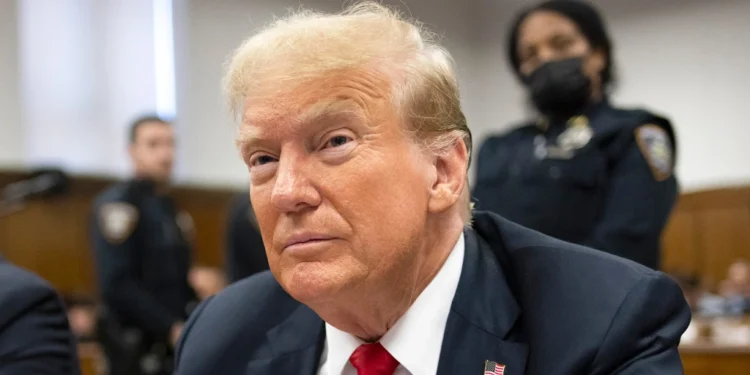
Trump (pictured)has ordered a halt to the processing of all pending immigration applications from nationals of 19 countries that were already subject to earlier travel restrictions. This decision was outlined in a memorandum from U.S. Citizenship and Immigration Services (USCIS) and requires a “comprehensive re-review” and “adjudicative hold” on cases, including green card and U.S. citizenship applications. This move follows a recent shooting in Washington D.C. where the suspect was identified as an Afghan national who entered the US under a specific program.

AD: Capeesh Restaurant
It comes after Donald Trump signed a proclamation fully banning nationals from Afghanistan, Burma, Chad, Republic of the Congo, Equatorial Guinea, Eritrea, Haiti, Iran, Libya, Somalia, Sudan and Yemen from entering the US in June, citing security concerns. He also “partially” restricted arrivals from Burundi, Cuba, Laos, Sierra Leone, Togo, Turkmenistan, and Venezuela.
At the time, no action was taken against immigrations from those countries who were already in the US before the travel ban went into effect, but this is set to change.
USCIS said it would conduct a review of all “approved benefit requests” for immigrants who entered the US under the Biden administration.

AD: Oysterian Sea Food Restaurant And Bar
The pause will place thousands of people in legal limbo and is expected to significantly worsen existing immigration backlogs. Reports indicate that naturalization ceremonies and interviews have been cancelled for individuals from the affected countries. The new policy is expected to face legal challenges, with immigration lawyers and the UN raising concerns.
Rhetoric: Homeland Security Secretary Kristi Noem called for a sweeping ban on countries she claimed were “flooding our nation with killers,” a post President Trump later shared. Trump has also pledged to “permanently pause” migration from all “Third World Countries,” a non-legal term that is intentionally vague
“In light of identified concerns and the threat to the American people, USCIS has determined that a comprehensive re-review, potential interview, and re-interview of all aliens from high-risk countries of concern who entered the United States on or after January 20, 2021 is necessary,” the agency said.
Since the shooting in Washington at the end of November, the Trump administration has announced sweeping immigration changes after Afghan national Rahmanullah Lakanwal, 29, was named as the suspected gunman. Lakanwal, who pleaded not guilty to murder on Tuesday, worked as part of a CIA-backed unit in Afghanistan, and reportedly came to the country under a programme meant to help Afghans who had risked their lives assisting US troops in Afghanistan.
One of his victims, 20-year-old Sarah Beckstrom, died of her wounds. The other, Andrew Wolfe, 24, remains in serious condition.
Trump’s travel ban would likely have significant societal, economic, and legal effects, including family separations, disruptions to business and academia, negative impacts on the hospitality industry, and legal challenges. The ban would likely prevent spouses, children, and parents from abroad from joining family members already in the U.S. for extended periods, causing long-distance separations and interrupting family reunification.
The original 2017 order sparked global outrage and was immediately challenged in U.S. courts, with critics calling it a “Muslim ban” and a form of collective punishment. The subsequent versions also faced significant legal battles before being upheld by the Supreme Court in 2018.
Nationals from affected countries already in the U.S. on existing statuses (e.g., green cards, asylum) may face increased scrutiny, longer security screenings, and audits of past immigration filings.
Stigma and Fear: The policy would likely contribute to an atmosphere of fear and uncertainty within immigrant communities and could be seen by critics as a form of collective punishment or discrimination based on nationality or religion.
The ban could restrict the entry of refugees and asylum seekers from war-torn or crisis-ridden nations, such as Sudan, Myanmar, Afghanistan, and Yemen, exacerbating humanitarian crises and limiting pathways to safety

AD: Heritage And Restaurant Lounge Bar