
By Chris Williamson-
Almost 20,000 remain till Without Water in Kent and Sussex as Crisis Enters Fifth Day. An estimated 17,000 properties across Kent and Sussex remain without a functioning drinking-water supply for a fifth consecutive day, as the water emergency gripping the South East of England continues to deepen.
According to South East Water (SEW), the disruption — which began on Saturday 10 January 2026 — was triggered by a combination of severe cold weather, power cuts and a breakout of burst mains following Storm Goretti, which battered the region late last week.

AD: Capeesh Restaurant
South East Water (SEW) blamed the outage earlier in the week across 11 postcode areas on Storm Goretti and cold weather causing burst pipes and power cuts. Many customers in Tunbridge Wells, East Grinstead, Maidstone, Whitstable, Canterbury, and surrounding towns were without water.
While SEW says it has restored water to about 8,000 households, thousands of residents are still waking up to dry taps and intermittent pressure. The majority of the remaining outages are concentrated around East Grinstead in East Sussex, where roughly 11,500 properties still have no reliable service.
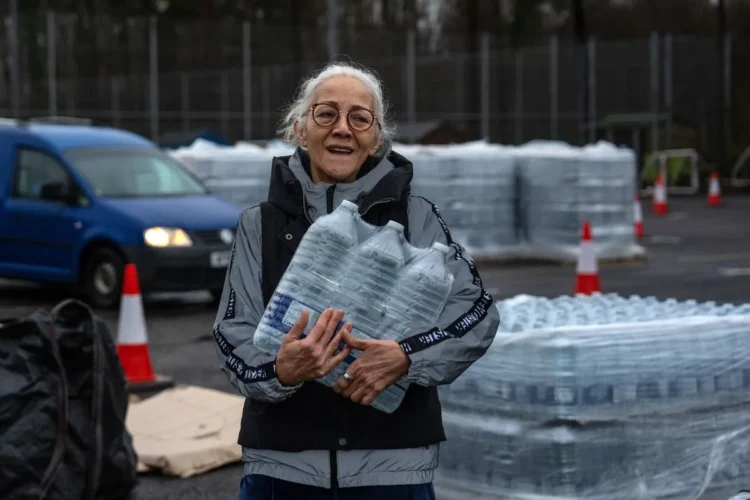
Bottled water distribution points remain in place across Tunbridge Wells, East Grinstead and Maidstone, but long queues and logistical strains persist.

AD: Oysterian Sea Food Restaurant And Bar
Schools and early years settings are open, but councils warn some may have to close early if supplies run out.
Vulnerable residents, including the elderly and those with medical needs, are especially struggling with hygiene, cooking and basic daily tasks. (Local reports)
South East Water’s Incident Manager Matthew Dean has reiterated apologies to customers, acknowledging how difficult prolonged outages are and explaining that careful management of the network is slowing restoration to prevent further bursts.
Senior MPs have described the situation as “totally unacceptable,” with calls for SEW executives to face tougher accountability.
The Parliamentary Environment, Food and Rural Affairs Committee is reportedly considering recalling SEW leadership for further questioning after a separate outage in December that left thousands of homes without water for nearly two weeks.
Local leaders have said “heads must roll” if systemic failures aren’t addressed.
This latest outage echoes a troubling pattern: in late 2025, tens of thousands were previously without water following failures at a treatment works and ageing infrastructure, triggering wide-ranging community hardship.
South East Water has blamed extreme weather conditions — especially cold, freezing and subsequent storms — for stressing the network beyond normal operating limits. Bursts and leaks have overwhelmed storage and treatment capacity in parts of the system.
Regulators — including Ofwat and the Drinking Water Inspectorate — have expressed concern about the frequency of these failures and are reviewing whether SEW has met its legal obligations on infrastructure resilience and customer care.
Water companies are also warning that long-term investment in resilience and maintenance is essential — a position critics say clashes with the public outcry over bill increases and service failures.
SEW says its teams are working “around the clock” to reconnect properties and keep bottled water supplies flowing to those most in need. Residents continue to hope for rapid improvements, but with the scale of the network damage and the need for safe pressure restoration, full recovery may yet take several days.
The crisis has reignited debates about water infrastructure investment, climate preparedness and utility regulation in the UK — and the human toll of prolonged outages has become a stark reminder of how vital resilient water systems are to everyday life.

AD: Heritage And Restaurant Lounge Bar