

A career that shone bright;ly and ended abruptly
By Tim Parsons-
Xabi Alonso’s departure from Real Madrid has sent shockwaves through the football community. After joining the Spanish giants in the summer of 2025, the former midfield maestro has now parted ways with the club just seven months later following a dramatic defeat in the Spanish Super Cup final against Barcelona.
The club and Alonso agreed to terminate his contract, and Real Madrid instantly appointed Álvaro Arbeloa as the new manager.

AD: Capeesh Restaurant
Alonso arrived in Madrid with soaring expectations. He came off a remarkable stint at Bayer Leverkusen where he had turned the German side into genuine European contenders, winning the Bundesliga title in 2024 and guiding them to a European final.
At Real Madrid, he inherited one of the most prestigious roles in world football. At just 44 years of age, he was seen not only as a tactical innovator but also as a legend returning to the club where he starred as a player.

AD: Oysterian Sea Food Restaurant And Bar
The Spaniard’s record as a manager was impressive from the outset. At Leverkusen he installed a possession-based philosophy that saw his team finish unbeaten while claiming the German title. His success in Germany immediately placed him among the brightest coaching talents in Europe. It was this reputation that helped him secure the Real Madrid job, seen as the pinnacle of managerial achievement.
At Real Madrid, Alonso’s tenure had high points. Early in the season, the team recorded an excellent run of results and he achieved what has been reported as the best win rate for a Real Madrid manager during the club’s recent decade. Despite this, his reign never truly settled into a sustained period of success.
A defeat to PSG, losses against rivals such as Atlético Madrid and Liverpool in key moments, and a growing sense of unease around the tactical direction of the team raised eyebrows both inside and outside the club. In LaLiga, Real finished the first half of the season trailing Barcelona by several points, intensifying scrutiny on Alonso’s methods.
Reports emerged of internal tensions within the squad. Some senior players apparently clashed with Alonso’s decisions regarding training and match tactics.
Notably, issues with high-profile attackers over playing time and use on the pitch became public fodder, and debates about team harmony grew louder as results became inconsistent. Such tensions are not uncommon at elite clubs, but they can accelerate managerial change.
These struggles culminated in the Super Cup defeat to Barcelona. Shortly afterwards, Real Madrid issued a statement revealing that both parties had agreed to part ways.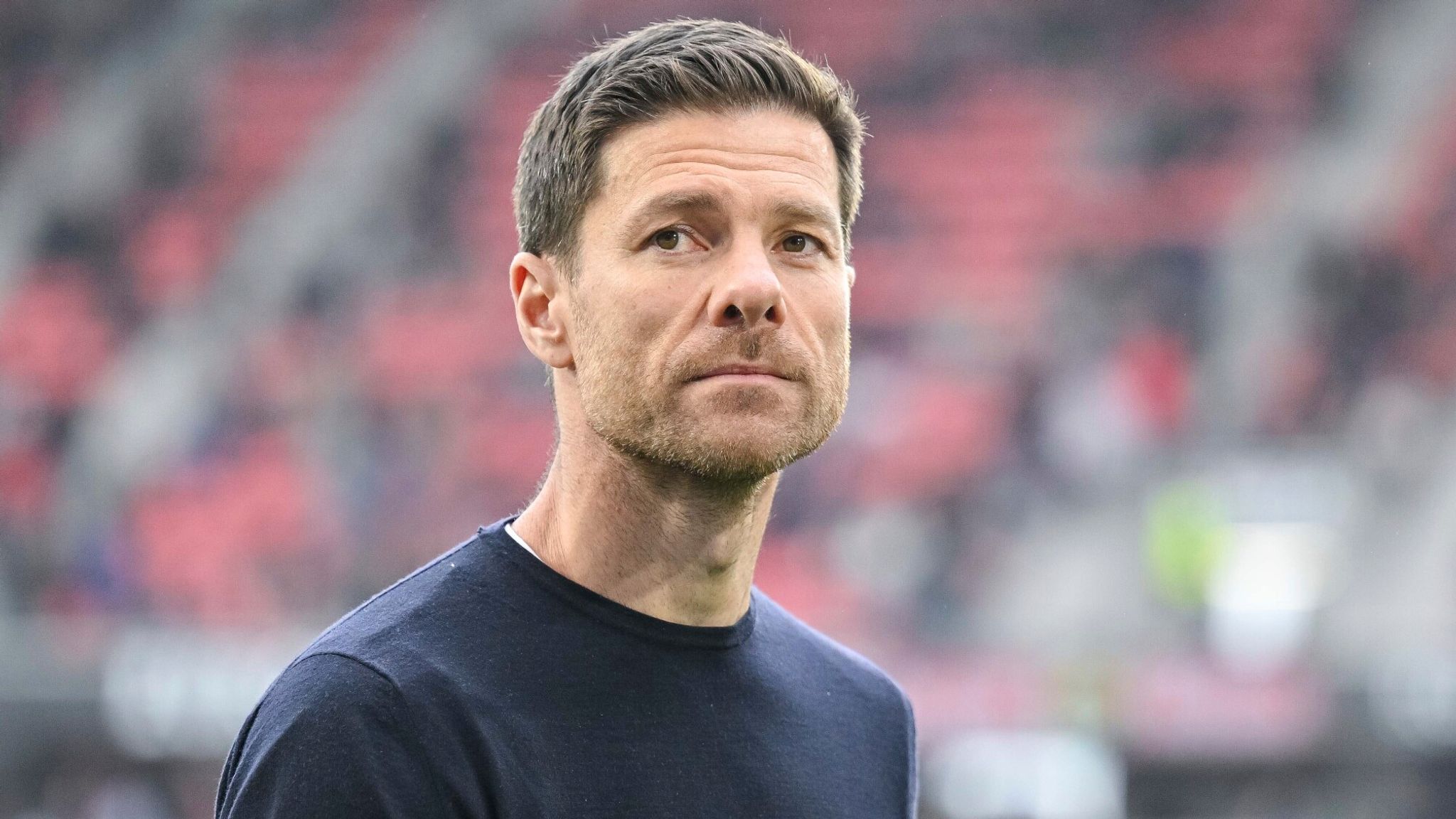
Alonso’s departure just a day after the club’s defeat to Barcelona in the Spanish Super Cup Final in Saudi Arabia
While the club praised Alonso’s contribution and called him a “legend”, the decision was framed as mutual. Álvaro Arbeloa, a former Real Madrid defender and academy coach, was swiftly confirmed as the successo.
Alonso’s managerial journey should not be viewed solely through the lens of this short spell at Real Madrid. Before taking on the Bernabéu, his record was outstanding.
At Bayer Leverkusen, he transformed a side that lacked major honours into champions with a clear identity on the pitch. That success marked him out among Europe’s coaching elite and earned him admiration as a thoughtful and forward-thinking tactician.
In his brief time at Madrid, Alonso oversaw 34 matches, delivering more wins than losses and maintaining a strong performance percentage overall. Fans and pundits pointed out that it is rare for a manager to leave such a position without lifting silverware, especially while maintaining such a record.
Yet at Real Madrid, where symbolic victories against arch-rivals and dominance in elite competitions are part of the club’s DNA, expectations remain extremely high and patience often runs thin.
Comparing Alonso’s exit to other managerial departures in recent years provides important context. Across Europe, several high-profile coaches have lost their roles under similar pressures.
In the same fortnight that Alonso left Real Madrid, top clubs like Chelsea and Manchester United also dismissed their managers in rapid succession after poor sequences and high expectations went unfulfilled. These situations illustrate a broader trend in elite football where short windows of underperformance can be enough to change course.
Another example from recent months is Erik ten Hag, who was relieved of his duties at Bayer Leverkusen after a short and disappointing run of matches earlier in a season. His sacking followed a string of poor results that the club felt did not align with their ambitions and project timeline.
Ten Hag’s dismissal, occurring with minimal games played, is reflective of the modern game’s impatience and the rapid judgement managers face when results falter.
There are historical parallels too. Real Madrid has a tradition of high turnover among its managerial ranks, particularly under president Florentino Pérez.
Over the last two decades several managers departed the club shortly after trophyless seasons or following runs that did not meet the lofty standards expected at the Santiago Bernabéu. Alonso now becomes part of that narrative, leaving without a major accolade despite strong statistical metrics.
Yet it’s worth noting that not all managerial exits under pressure are purely negative reflections on the coach. Some departures unfold amid unresolved clashes between squad leadership and the coach’s tactical vision, or when club leadership reassesses strategic priorities mid-season.
In Alonso’s case, although a series of mixed results and reported dressing room dynamics played a role, many observers emphasised that his approach to the game remains highly respected and that he will likely find another top role soon.
Alonso’s career remains distinguished. Prior to his coaching career, he enjoyed an extraordinary playing journey. He starred at clubs including Real Sociedad, Liverpool, and Real Madrid, winning major trophies such as the FIFA World Cup with Spain and Champions League honours at club level.
These experiences shaped his deep understanding of elite football, which he later sought to apply in his coaching philosophy.
Now, as he steps away from Real Madrid, the focus will shift to where he lands next. With his proven success in Germany and his tactical acumen, many clubs including those in the Premier League are likely to consider him an attractive candidate.
Indeed, pundits have already linked him with potential roles should vacancies arise, a testament to his enduring reputation despite the abrupt end to his spell in Spain.
Xabi Alonso’s departure marks another dramatic chapter in the life of a young coach still early in what promises to be a long and influential career. While his time at Real Madrid concluded sooner than many anticipated, the legacy of his achievements across Europe remains intact.
The sport’s landscape continues to evolve, and managers must constantly navigate the shifting sands of expectation, performance pressure, and internal club politics. In that world, Alonso’s story is a vivid reminder that greatness on the pitch and promise on the touchline do not always guarantee longevity in the hot seat.

AD: Heritage And Restaurant Lounge Bar
-
Share On
- Categories
- Date