
By Theodore Brown-
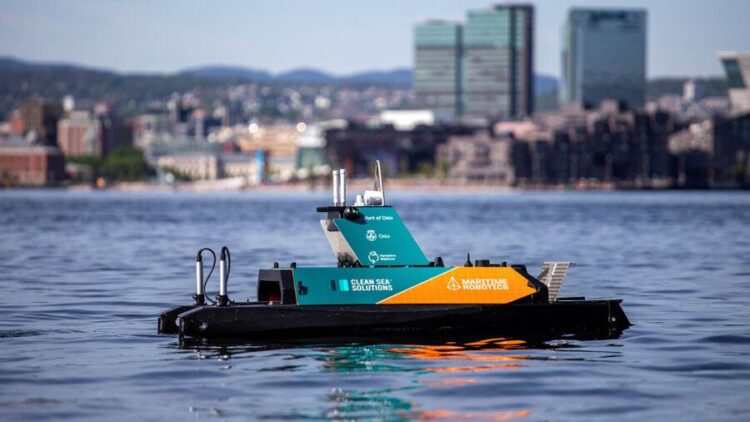
In a bold leap forward for environmental protection, fleets of autonomous ocean cleanup drones are beginning operations across major seas and coastal waters around the world. These high‑tech vessels, equipped with advanced sensors and collection systems, promise to revolutionise how humanity tackles the growing crisis of plastic pollution in marine ecosystems.
With ocean plastics reaching catastrophic levels that threaten wildlife, livelihoods and food systems, researchers, engineers and maritime authorities are rallying around these robotic guardians of the seas.

AD: Capeesh Restaurant
Plastics in the ocean have been rising for decades. Waves carry microplastics into even the most remote environments, and large plastic debris accumulates in gyres such as the North Pacific Garbage Patch. Traditional cleanup efforts have involved manual collection or large vessels with nets that have limitations of scale, speed and cost.
Now the emergence of smarter machines offers a radically different approach. Ocean cleanup drones combine automation, artificial intelligence and sustainable power sources to operate in zones that were once inaccessible to human crews or conventional ships.
Environmental groups and innovators behind these projects cite multiple studies that show plastic pollution harming marine life at every trophic level. Sea turtles mistake plastic bags for food, seabirds ensnare fishing line, and tiny plastic particles have been found inside fish consumed by humans.

AD: Oysterian Sea Food Restaurant And Bar
Scientific reports on the scale and impact of ocean plastics are widely available through research programmes and environmental watchdogs that have been sounding the alarm for years.
One of the driving forces behind autonomous cleanup technology is The Ocean Cleanup, a nonprofit engineering organisation that has developed large floating barriers to concentrate plastics.
More recently, innovators across the globe have introduced small drones that can patrol coastal waters, estuaries and shipping channels using solar power and AI navigation. These devices can collect debris ranging from microplastics to larger items such as bottles, fishing gear and packaging fragments.
Teams deploying the drones say that rapid expansion of this technology is crucial given projections that plastic production and ocean pollution could double in the next two decades without significant intervention.
Early deployments are already under way in hotspots such as the Gulf of Mexico, the Mediterranean and Southeast Asian archipelagos. In the Gulf, where currents funnel plastic waste into sensitive coastal ecosystems, several autonomous surface vessels equipped with capture nets and real‑time tracking have been stationed near busy ports and river mouths.
Local marine biologists report that initial missions have yielded substantial amounts of debris previously unmonitored by traditional systems. These results are encouraging officials and private backers who see scalable potential in networks of cleanup drones.
In the Mediterranean, coastal authorities have partnered with technology firms to deploy a combined fleet of aerial and surface drones. Surface units collect floating plastics and feed data to command hubs onshore, while aerial drones scan wide swaths of water for concentrations of debris.
This coordinated approach enables faster response to storm events that often wash plastics from rivers into the sea. Residents in coastal cities have reported sightings of the drones along popular beaches, where volunteers work alongside machines in weekend cleanup efforts.
Skeptics of automated cleanup warn that technology must be carefully integrated into existing marine management strategies. Some environmental scientists note that certain debris sinks below the surface and will not be captured by surface drones.
Concerns about energy use, unintended harm to marine life, and data privacy from AI systems have also been raised in scientific forums and environmental conferences. These discussions are part of a broader conversation about how technology and conservation intersect in complex ecosystems.
Engineers have outfitted these vessels with GPS, sonar and machine‑vision systems that allow them to differentiate between plastics and natural debris, avoid collisions with marine mammals, and adjust routes in real time based on current patterns.
With solar panels supplementing onboard power, many of the newest drones can remain at sea for extended missions without requiring frequent human intervention.
Autonomous vessels and AI‑assisted drones are being deployed in coastal waters, harbors and river mouths across Asia, Europe and other regions to collect floating plastic debris.
Coordinated fleets combining aerial sensors and surface vessels are expanding the ability to monitor and recover debris in areas that have historically been difficult for traditional methods to reach.
Policy makers are responding to public pressure as well. Several governments with coastlines on heavily polluted seas have earmarked funds for cleanup technology and joined multilateral initiatives aimed at curbing plastic production and waste.
Legislation has been proposed in some countries to ban certain single‑use plastics and incentivise recycling and product redesign. Cleanup drones are being framed not only as tools for removing existing waste but also as visual reminders of global responsibilities toward oceans and future generations.
Beyond public agencies, private partners and philanthropies have invested in the research and scaling of cleanup drones. Tech entrepreneurs are backing startups that refine AI for better classification of marine debris and enhance autonomy to reduce operating costs.
Local communities are finding innovative ways to embrace the technology while maintaining traditional stewardship roles. In parts of the Caribbean, fishers collaborate with drone operators to share observations about debris hotspots that often interfere with nets and fishing gear.
While blending local knowledge with robotic surveillance, these partnerships have improved clean water outcomes while supporting livelihoods dependent on healthy marine ecosystems.
Public awareness campaigns tied to drone programmes are making significant impact. Drone footage of trash aggregations in once‑pristine waters has been shared widely on social media, drawing attention to the problem and motivating grassroots action.
School programmes that allow students to analyse real‑time drone data are emerging, creating educational opportunities that link technology, science and environmental ethics.
Challenges remain, however. High initial costs for drone fleets and ongoing maintenance present barriers for less affluent nations. Some regions with chronic pollution lack the infrastructure to host or sustain technological interventions.
Environmental advocates argue that prevention through waste reduction and chemical regulation must proceed in tandem with cleanup efforts in oceans.

AD: Heritage And Restaurant Lounge Bar