
By Theodore Brown-
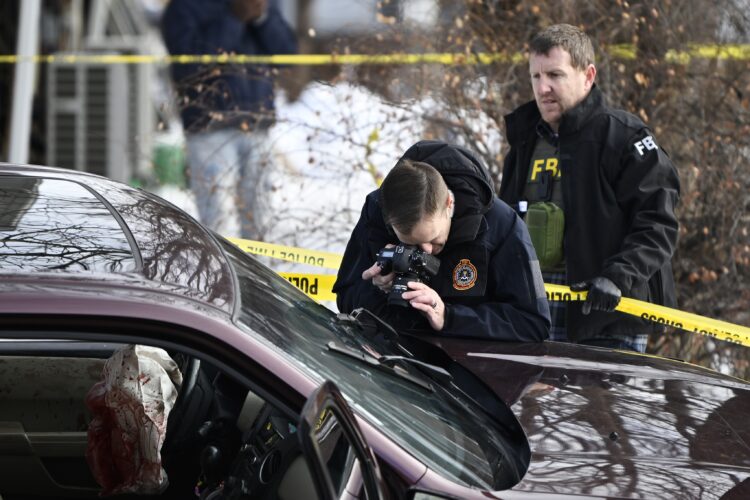
A federal immigration enforcement operation in Minneapolis turned deadly on Wednesday morning, 7 January 2026, when a U.S. Immigration and Customs Enforcement agent shot and killed a 37-year-old woman, prompting protests, political condemnation and sharp dispute over what actually occurred on the snow-covered city streets.
The incident, captured on multiple bystander videos and widely shared on social media, has ignited intense public debate about use of force, federal immigration policy and trust between local communities and national authorities.

AD: Capeesh Restaurant
The woman, Renee Nicole Good, a U.S. citizen, mother of three and creative writer originally from Colorado, was killed during an aggressive enforcement surge involving roughly 2,000 federal agents sent to the Minneapolis-Saint Paul area. Authorities described the mission as part of an expanded national crackdown on migration-related criminal offences that also included allegations of fraud in certain immigrant communities.
Local leaders and other witnesses have strongly contradicted that account, saying video evidence and on-the-ground observation indicate that the vehicle was leaving the scene and did not present a clear threat when the shots were fired.

AD: Oysterian Sea Food Restaurant And Bar
One agent exited the vehicle, ordered the driver to step out, and grabbed the door handle. While the SUV began to move forward, another agent standing in front of it drew his weapon and fired at least two shots at close range, striking Good inside the vehicle. The SUV then crashed into nearby parked cars and came to a stop.
Federal officials, including DHS spokeswoman Tricia McLaughlin, described the shooting as a justified response to what they called a violent attempt to ram officers.
In official statements, McLaughlin claimed that agents were met by what the department characterised as “rioters,” calling the woman’s actions part of a broader pattern of hostile resistance encountered during the operation.
In stark contrast, local authorities and community leaders have rejected the federal narrative. Minneapolis Mayor Jacob Frey held a news conference where he said the government’s self-defence claim was a distortion.
“Having seen the video myself, I want to tell everybody directly that is bullshit,” he told reporters, asserting that the footage does not show a clear and immediate threat to officers. Frey added that he believes the federal presence in the city is eroding trust and heightening anxiety among residents.
Minneapolis Police Chief Brian O’Hara similarly emphasised concerns about how the use of deadly force unfolded. Local police arrived to find Good with a gunshot wound to the head. Paramedics and firefighters performed on-scene life-saving measures before she was taken to Hennepin Healthcare, where she later died.
O’Hara noted that preliminary information indicated the woman had been in her vehicle and stopped on the roadway when federal agents approached.
The conflicting accounts reflect deeper political and social divides in the United States over immigration enforcement, federal power and law enforcement practices. Minnesota Governor Tim Walz also joined local leaders in rejecting the federal justification and has urged a thorough, independent investigation.
Meanwhile, President Donald Trump took to social media to defend the ICE operation, repeating assertions that the woman had attempted to harm agents with her vehicle and that the officer’s actions were protective. Critics of the administration’s response said that early statements risked shaping public discourse before facts were fully established.
Relatives emphasised that she was not involved in any known violent confrontation and had no history of criminal behaviour, calling for truth and justice in light of her death.
Demonstrations in other cities, including vigils and protests, have underscored a widespread unease about federal law enforcement tactics and perceived overreach in communities with large immigrant populations.
Legal and procedural questions are now at the forefront. Federal policy on the use of deadly force during immigration operations allows firearms only in limited circumstances, such as when an individual poses an imminent threat of serious harm.
Experts have noted that law enforcement training generally emphasises minimising the need for deadly force, especially in situations where a vehicle may be moving but not clearly being used to imminently injure someone.
Critics have also questioned the broader context of the enforcement surge that brought ICE agents to Minneapolis. Thousands of federal officers are participating in operations nationwide that target immigration violations and associated criminal charges.
Opponents of aggressive federal actions argue that such crackdowns fuel fear in communities, strain relations with local police, and make cities less safe overall. Supporters of expanded enforcement contend that rigorous action is necessary to uphold national law, curb illegal activity and protect public safety.
The shooting is at least the fifth fatality associated with immigration enforcement crackdowns in various states since 2024, adding to a growing list of controversial encounters involving federal agents.
Each of these events has drawn scrutiny over when and how force should be used, particularly in densely populated or residential areas, and how political directives influence law enforcement priorities.
For some residents living near the scene, the tragedy hit close to home. Witnesses reported hearing gunshots and seeing the SUV crash into parked cars after the shots were fired. One neighbour recalled the chaotic moments before law enforcement cordoned off the area, describing a tense atmosphere of sirens, shouting and concerned onlookers.
Such scenes have reminded many locals of previous high-profile law enforcement incidents in Minneapolis, stirring collective unease and broader discussions about policing culture in the city.

AD: Heritage And Restaurant Lounge Bar