
By Theodore Brown-
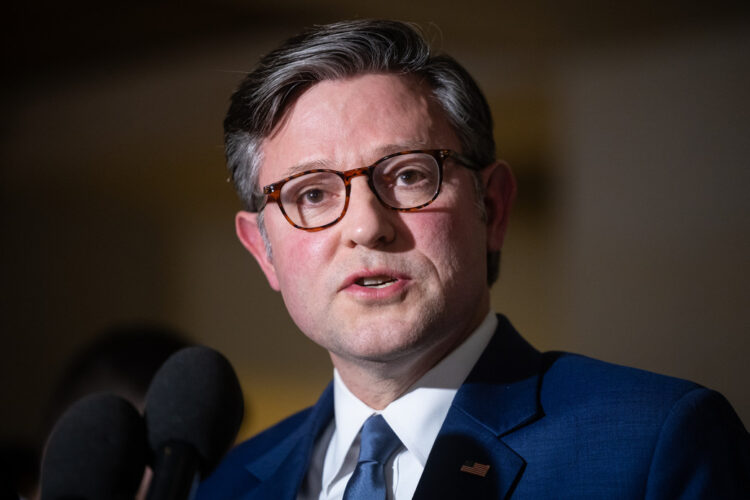
In a remarkable turn of events on the world stage, U.S. House of Representatives Speaker Mike Johnson(pictured) is preparing to make history with an address before the British Parliament this month.
The speech, scheduled for January 20, 2026, will mark the first time that a sitting Speaker of the U.S. House has spoken in that chamber, offering a rare moment of connection between two democratic institutions whose histories are deeply intertwined.

AD: Capeesh Restaurant
The announcement has already captured attention in political circles across both sides of the Atlantic, as well as among commentators who see the event as a symbolic pillar in the ongoing celebration of the United States’ 250th anniversary of independence.
The commemoration of a milestone that reflects on centuries of governance, struggle and evolution now includes a high‑profile diplomatic moment at the heart of London’s storied parliamentary tradition.
Speaker Johnson, a Republican representing Louisiana, emphasized the significance of his upcoming visit during a statement unveiling the plan. He described his forthcoming address as an opportunity to engage with traditions that helped shape early American concepts of liberty and governance in the very halls where those debates began generations ago.

AD: Oysterian Sea Food Restaurant And Bar
Sir Lindsay Hoyle, Speaker of the British House of Commons, extended the invitation with an expression of respect for the enduring ties between the United States and the United Kingdom. The occasion is being portrayed as a tribute to a relationship that has spanned wars, reconciliation and years of fruitful legislative exchange.
The event in London comes amid a larger series of activities aimed at honouring the Semiquincentennial, a momentous calendar of events planned throughout 2026 reflecting on American independence in 1776.
With numerous ceremonies and speeches set across cities and civic spaces in the United States, Johnson’s address is unique because it brings the celebration directly into the seat of the former colonial power’s legislature.
Analysts note that the speech carries both ceremonial and symbolic weight. The British Parliament, one of the oldest continuous representative bodies in the world, is often described as an intellectual precursor to many principles later enshrined in the U.S. Constitution.
Debates over individual rights to early colonists’ frustrations that helped catalyse the American Revolution, the historical connection between these two legislative traditions looms large. Johnson’s remarks will take place in an institution that helped inspire elements of American constitutional design and democratic values.
At a time when global politics faces pressures from rising authoritarian sentiments and geopolitical tension, the decision to hold this address abroad underscores a desire among certain political leaders to reaffirm the transatlantic connection.
Both London and Washington have maintained close coordination on issues like trade, defence alliances such as NATO, and shared strategic priorities that range across economic challenges and security commitments. The event highlights how parliamentary exchange remains an enduring tool of diplomacy and mutual recognition among democracies.
While the House of Commons is traditionally home to British legislators discussing domestic issues, its role as a platform for visiting international figures is not without precedent. Foreign dignitaries and heads of state have addressed members of both chambers in past decades, bringing global voices into conversations with British lawmakers on key issues.
Johnson’s address, however, is especially notable because no previous U.S. Speaker has stood before this assembly during active legislative sessions in modern memory.
Across the Atlantic in Washington, Johnson’s critics and supporters alike have speculated on what themes he might prioritise during his remarks.
With discussions in recent months centred on inflation, national security, immigration policy and the global economy, observers expect the speech will touch on shared challenges between allied nations as well as affirm the importance of democratic institutions and the rule of law in an era of rapid change.
Sir Lindsay Hoyle’s welcoming remarks make clear the intent behind the invitation. He highlighted the “enduring close relationship between our parliaments and people”, framing the address as a moment of mutual respect and common purpose. Such language captures the essence of what organisers hope will be a memorable occasion in a year full of anniversary events.
Political Dimensions and Reactions on Both Sides of the Atlantic
The announcement of Johnson’s address sparked a spectrum of reactions among lawmakers and commentators, revealing how political dynamics at home influence interpretations of events abroad.
In the United States, many Republicans have touted the opportunity as recognition of strong ties with a historic ally, emphasising solidarity on issues that include defence cooperation and shared democratic ideals.
Some media outlets noted that inviting a U.S. House Speaker to speak before another sovereign nation’s legislature is a diplomatic milestone rarely seen outside celebration contexts such as anniversaries of independence.
At the same time, a set of critics suggested that the speech while symbolic risks being overshadowed by ongoing partisan debates at home. Detractors argued that many pressing domestic concerns have yet to be fully addressed, raising questions about priorities and international visibility.
Others pointed out that while the United States and United Kingdom maintain close ties, the audience in London might expect reflections on a wide array of contemporary global issues beyond ceremonial remarks.
Across the United Kingdom, reactions were mixed as well. Many commentators praised the gesture as a reaffirmation of a “special relationship” that has endured world wars, economic shifts and global political realignments. Such language hearkens back to the long history of cooperation and mutual support that climaxed in shared efforts during the 20th century.
However, some critics in Britain questioned the timing and substance of the visit, suggesting that more substantive parliamentary interaction might be needed on issues that affect both nations, such as trade negotiations or shared security commitments.
Diplomats and international relations experts see Johnson’s address as part of a broader pattern of engagement. Legislative diplomacy where members of parliament and congressional leaders engage with counterparts across borders is often used to build goodwill, share legislative experiences and support international priorities like climate action, democratic governance and human rights.
Visits and speeches of this nature are tools that contribute to ongoing dialogue, beyond formal treaty negotiations or executive‑to‑executive discussions.
The symbolism of the address a U.S. legislative leader speaking in the chamber of a former colonial ruler has resonated among historians and political analysts alike. It encapsulates centuries of evolution in governance, alliance building and diplomatic engagement.
With many observers, the moment will stand as a marker of how far relations have progressed since the days of colonial rebellion and war, evolving into partnership and mutual respect between two of the world’s most influential democracies.

AD: Heritage And Restaurant Lounge Bar