
By Ben Kerrigan-
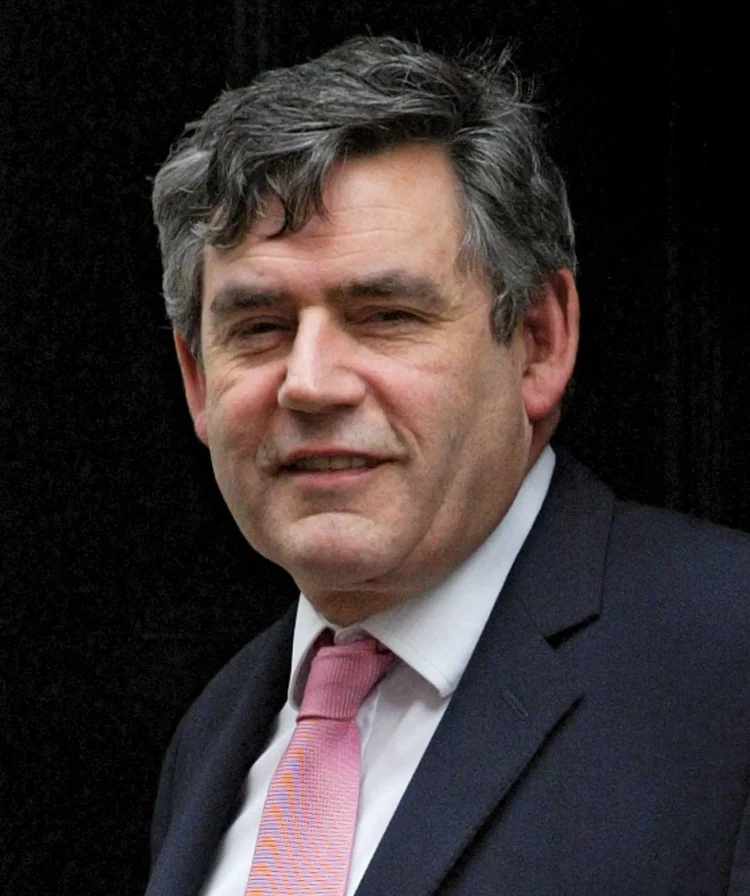
Former UK Prime Minister Gordon Brown (pictured)has urged global leaders to step up assistance to Nigeria following the latest mass abduction of schoolchildren—a chilling reminder of the country’s ongoing security crisis. Brown, who now serves as the United Nations Special Envoy for Global Education, condemned the kidnappings as an “attack not only on innocent children but on the future of Nigeria itself,” calling for urgent, coordinated international action.
The incident, which saw dozens of pupils seized by armed groups in the north of the country, has reignited concern about the recurring pattern of school kidnappings. Over the past decade, hundreds of children have been abducted by extremist organisations or criminal gangs seeking ransom. The impact on families, communities, and an already strained education system has been profound.

AD: Capeesh Restaurant
Brown said the international community cannot afford to treat these events as routine. “Every abduction is a tragedy,” he stated in a video address to a UN education forum. “No child should fear going to school. No parent should fear that their child will not come home.”
Nigeria’s government responded by acknowledging the urgency of the situation and the need for stronger international cooperation. Nigeria’s Minister of Information, Mohammed Idris, said in a press briefing, “We welcome the statements from Gordon Brown and others who recognise that Nigeria is fighting multiple security battles simultaneously. What we need now is real partnership—support with intelligence, technology, and development assistance, not simply condolences.”
President Bola Tinubu echoed that sentiment, calling the kidnappings “a national trauma that demands both domestic resolve and global solidarity.” He insisted that the government was “mobilising every security asset available” to secure the children’s release, adding, “We will not abandon our children. We will not allow these criminals to define our future.”

AD: Oysterian Sea Food Restaurant And Bar
Despite the government’s assurances, many Nigerians remain frustrated, believing that their appeals for help have too often been ignored until tragedy strikes. “We cannot continue this cycle of shock, sympathy, and silence,” Brown warned. “The time for decisive global action is now.”
Experts argue that the crisis cannot be viewed purely as a policing problem. Northern Nigeria faces a complex mixture of challenges—poverty, unemployment, political instability, and armed groups seeking recruits and leverage. Schools, often poorly protected and located in remote areas, have become soft targets.
A senior Nigerian security official who asked not to be named explained the scale of the challenge: “We are covering thousands of square kilometres with limited manpower. Our forces are brave and dedicated, but this is a vast region with porous borders and heavily armed groups. International support is not optional—it is essential.”
The Minister of Defence, Mohammed Badaru Abubakar, also emphasised the difficulty of the situation. “These criminals evolve constantly,” he said. “They are better armed than they were five years ago, more coordinated, and more ruthless. Nigeria is fighting, but we need partners who recognise the global dimension of this threat.”
The fear generated by the kidnappings has become a barrier to education itself. Teachers in high-risk areas have resigned or relocated, and families frequently keep children home. “The trauma extends far beyond the victims,” said one humanitarian worker in Kaduna State. “Entire villages live in fear every single day.”
Studies suggest that long-term consequences could be severe. Nigeria already has one of the world’s largest populations of out-of-school children, and experts warn that each new attack pushes the numbers even higher. If education collapses in the north, so does economic growth and security, fuelling a dangerous cycle.
The Nigerian Minister of Education, Tahir Mamman, acknowledged the stakes: “If we lose our children to fear or to armed groups, then we lose our future. Protecting schools is not just an education policy—it is a national security priority.”
In order to break the cycle, Brown has urged governments to invest in secure school infrastructure, trauma counselling, teacher training, and regional intelligence-sharing. “We cannot allow these attacks to become normalised,” he said. “The international community must help Nigeria develop lasting, protective solutions.”
The world must help Nigeria protect children and support communities at risk
Long-term solutions will require security improvements, humanitarian support, and sustained political commitment. Brown has called on donor nations to increase contributions to the Safe Schools Initiative, launched after the 2014 Chibok abductions, warning that the programme is “dangerously underfunded.”
Nigerian officials also stress that protecting schools requires a mix of international and local strategies. Minister Idris says the government is expanding early-warning systems and community-led patrols. “Local vigilance is crucial,” he explained. “Communities often know when something is wrong long before the authorities do.”
But he stressed that Nigeria cannot do it alone: “We need drones, surveillance aircraft, communications technology and intelligence partnerships. We need rehabilitation centres for traumatised children. Nigeria is doing its part—but this is a global security issue, and it must be treated as such.”
Child trauma specialists warn that children who survive kidnappings often suffer lasting psychological harm. Dr. Amaka Yusuf, a consultant working with abducted children, explained: “Some children return home deeply changed—withdrawn, anxious, fearful of classrooms. Without counselling, their education is effectively over.”
Communities affected by kidnapping also struggle. Whole economies shut down, markets empty, and families fall into debt to pay ransom demands. The President’s spokesperson, Ajuri Ngelale, acknowledged the hardship: “These attacks devastate communities. But the government’s commitment is absolute: these children will be found, their captors will face justice, and our schools will be made safe again.”
International donors have been slow to commit significant funding, but Brown insists global leadership is necessary: “We need not just sympathy but solidarity—sustained, organised, and serious.”
Some Nigerian parents remain sceptical. “We have heard many promises,” said one father whose son was taken last year. “We need action, not speeches. But if Gordon Brown can make the world pay attention, then maybe our children will finally be protected.”
Nigeria’s future depends heavily on the safety of its young people. Education is the foundation of national development, and without it the country risks another decade of instability. Brown’s message is clear: “The world must not look away. Each abducted child is a life, a dream, a future. Protecting them is a moral duty shared by all nations.”
Nigeria wants global leaders to step in with the urgency this crisis demands and not allow the world’s attention to drift until the next abduction forces it back.

AD: Heritage And Restaurant Lounge Bar