
By Lucy Caulkett-
A 45-year-old disabled father died from sepsis after waiting more than 34 hours for intravenous antibiotics at a hospital in Nottinghamshire, an investigation has concluded, highlighting serious systemic failures in recognising and treating life-threatening infection.
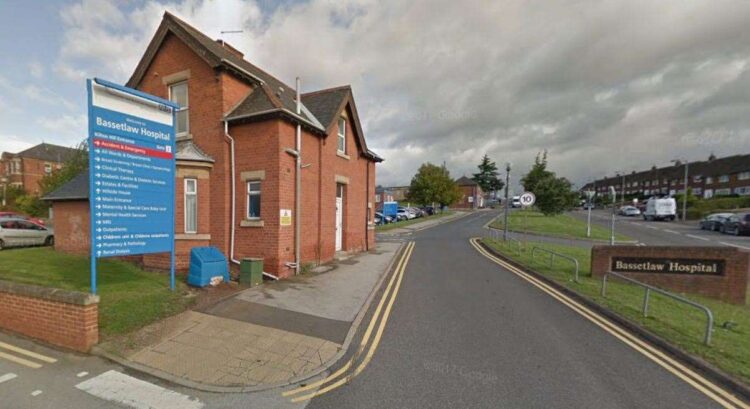
The man’s death, found to be preventable, has intensified scrutiny on patient safety and sepsis management across the NHS. The man, who lived in supported accommodation and had a rare neurological condition that affected communication and mobility, was admitted to Bassetlaw Hospital after his general practitioner referred him for urgent treatment when oral antibiotics failed to clear a resistant urinary tract infection.

AD: Capeesh Restaurant
According to the Parliamentary and Health Service Ombudsman (PHSO) report, hospital staff delayed the administration of appropriate intravenous antibiotics and initially gave them at a reduced dose, far below clinical guidelines. By the time a second dose was delivered, the infection had overwhelmed his body, leading to sepsis and a fatal decline in his condition.
Sepsis occurs when the body’s response to infection triggers widespread inflammation, organ dysfunction and, if untreated, death. Prompt administration of intravenous antibiotics is widely recognised as the most effective way to halt its progression.
The Ombudsman’s investigation found that had treatment been given within the first critical hours of admission as clinical protocols recommend the man likely would have survived.

AD: Oysterian Sea Food Restaurant And Bar
Family members expressed profound grief and frustration at the failures that preceded his death. They told investigators that care staff did not communicate clearly about the absence or timing of treatment and that concerns raised by care home and ambulance personnel before admission were ignored or inadequately acted upon.
The report made clear that these communication breakdowns contributed directly to the delay and diminished the window of opportunity for effective intervention.
The Ombudsman’s findings concluded that doctors should have sought further clinical advice much earlier, which probably would have resulted in intravenous antibiotics being administered without the prolonged wait. The failure to do so underscored systemic weaknesses in recognising the severity of his condition and responding with urgency.
A Preventable Death and Systemic Gaps in Sepsis Response
The PHSO’s detailed review described how multiple opportunities to escalate care were missed, even though frontline staff were informed of the man’s high risk for serious infection due to his permanent catheter and history of resistant bacteria. Instead, decisions were made to try oral antibiotics or provide delayed care, despite clear indications that intravenous treatment was essential.
Ombudsman investigators noted that the man’s underlying disability complicated clinical assessment he had difficulty communicating his symptoms or concerns — yet this vulnerability should have heightened vigilance among care providers. The report highlighted that staff did not sufficiently adapt their approach to suit his needs, resulting in crucial delays.
NHS leaders and patient safety advocates say the case reflects a broader challenge in how hospitals screen for and respond to sepsis, particularly in patients who do not fit standard clinical presentations.
Recent healthcare evaluations have warned that delays in diagnosing and treating sepsis remain a persistent problem, with lapses in communication, inconsistent record keeping, and missed follow-ups contributing to preventable fatalities.
Such concerns echo findings from previous NHS ombudsman reports that called for more rigorous sepsis protocols and improved staff training nationwide.
Sepsis, often referred to as a “silent killer,” can progress rapidly. Early recognition including screening tools, rapid diagnostic tests, and timely antibiotic administration is critical.
National health bodies have repeatedly emphasised that treatment delays, even by a few hours, are associated with significantly worse outcomes, including organ failure and death. The ombudsman’s review reinforces the urgency of embedding these practices thoroughly throughout acute care settings.
The tragic outcome in Nottinghamshire aligns with a pattern of similar cases in the UK and internationally. In previous investigations, hospital inquiries have uncovered that missed or incomplete assessments and late administration of antibiotics contributed to the deaths of patients with sepsis.
These cases, while differing in circumstances, consistently highlight how time-critical treatment is and how organisational shortcomings can have fatal consequences.
Health watchdogs and campaigners have also stressed the importance of family and caregiver advocacy in urgent care settings. They argue that healthcare systems must better incorporate input from those closest to vulnerable patients, particularly when communication barriers exist.
The Ombudsman’s report specifically noted that the hospital did not adequately heed warnings from care home and ambulance staff a missed opportunity that may have altered the outcome.
In response to the findings, NHS officials reaffirmed a commitment to learning from the case and implementing changes aimed at preventing similar tragedies. Proposed reforms include strengthened sepsis alert systems, clearer escalation pathways for deteriorating patients, and enhanced staff training on recognising the signs of severe infection.
These measures are intended to safeguard patients who may not present with classic sepsis symptoms but are at high risk due to underlying conditions or barriers to communication.
Medical experts highlight that addressing such systemic issues requires not only technical solutions, such as decision-support tools and rapid diagnostics, but also cultural shifts within hospitals.
Encouraging staff to escalate concerns without delay, promoting rigorous adherence to sepsis care bundles, and ensuring robust handovers between departments are seen as essential steps in reducing avoidable deaths from infection. The family of the man who died after waiting more than a day for critical medication, the Ombudsman’s conclusions offer some affirmation that his case was not an isolated error but a symptom of deeper challenges in acute care.
They have called for accountability and transparent follow-up on the recommendations made by the investigation, hoping that other patients will not suffer the same fate.
Sepsis remains a leading cause of death globally, and each avoidable death underscores the need for continual improvement in healthcare systems.
The fact that timeliness in antibiotic administration can be the difference between life and death a standard that healthcare providers must strive to meet consistently.

AD: Heritage And Restaurant Lounge Bar