
James Simons-
Eurostar has announced plans to operate its full schedule of services today after a major disruption paralysed European–UK rail travel over the festive period.

AD: Capeesh Restaurant
While the operator shows all departures as scheduled, passengers and drivers alike have been cautioned to brace for ongoing waits, particularly at terminals such as Calais, where delays of up to six hours have been reported.
The disruption struck at a peak travel moment, undermining plans for thousands of holidaymakers travelling between London, Paris, Amsterdam, Brussels and other destinations.
A fault with the tunnel’s overhead power supply, compounded by a stalled Le Shuttle vehicle train, brought both passenger and vehicle rail traffic to a standstill and prompted cancellations or severe delays across services.

AD: Oysterian Sea Food Restaurant And Bar
On Tuesday, the tunnel suffered a technical issue affecting its power infrastructure, leading to a complete shutdown of services early in the day. Operators halted all movements while engineers battled to restore electrical supply and clear the failed train blocking one track.
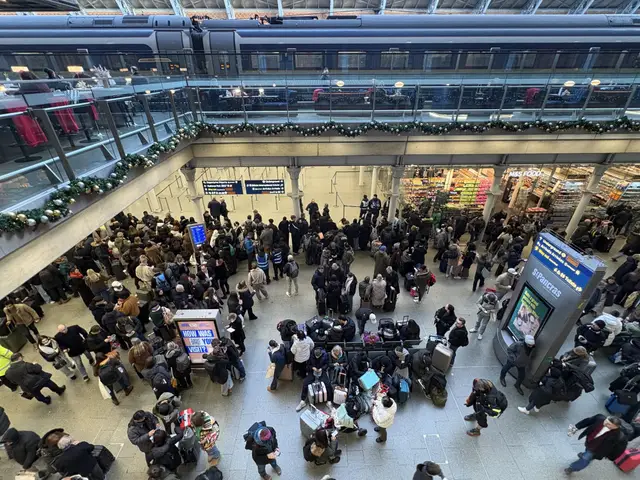
With both tracks initially unavailable, Eurostar was forced to cancel its entire programme of trains departing London to European cities, stranding travellers in busy terminals such as St Pancras International and Gare du Nord. Many were left waiting for updates, seeking accommodation and scrambling to rearrange plans to celebrate New Year’s events.
Vehicle drivers heading through the tunnel faced their own ordeal. The operator of Le Shuttle warned that waits at the Folkestone terminal could extend for six hours, with long lines of cars backed up as frustrated motorists queued for a chance to cross.
Although delays eased somewhat on Wednesday morning, six-hour waits persisted at Calais, with guidance that travellers should check in as usual and be prepared for lengthy waits.
The outage struck at one of the busiest times of the year, exacerbating the impact. Thousands of people were travelling for winter holidays, city breaks and family visits, and the sudden collapse of services forced many into unplanned nights in hotels or forced alternatives such as ferry crossings.
Some passengers reported long lines at stations with minimal communication, while others highlighted wider traffic jams around tunnel approaches as frustrated drivers sought to reach their destination.
Eurostar and tunnel operator Getlink worked through Tuesday and into Wednesday to restore traffic through the Channel Tunnel. Trains eventually began moving again late in the day on Tuesday, using a single operable track to shuttle services in alternating directions.
Train services that did run faced significant delays, and some were cancelled at short notice as attempts to stabilise operations continued.
In its latest update, Eurostar indicated that all trains would run according to their published schedules, even though ongoing knock-on impacts from the outage might result in late departures and overnight adjustments.
The first scheduled train of the day from St Pancras to Paris was cancelled, underscoring the fragility of the recovery effort. Passengers were encouraged to monitor live travel information on the company’s website or contact customer services.
Le Shuttle’s vehicle service operator also signalled that its teams were working to restore full functionality, with delays gradually reducing at terminals. While waits dropped to around 30 minutes at Folkestone early Wednesday, prolonged queues continued in Calais, prolonging congestion and frustration among drivers.
Transport officials highlighted that such infrastructure problems can have outsized effects on cross-channel travel. The Channel Tunnel is the only fixed rail link between the UK and continental Europe, and its tightly scheduled operations mean that any technical fault can trigger widespread system knock-on effects.
Travel providers and ticketing services also moved to mitigate passenger disruption. Eurostar offered free ticket exchanges, refunds or vouchers to affected travellers, seeking to accommodate those whose journeys were thwarted by cancellations or lengthy delays. Some airlines reported an uptick in last-minute bookings as travellers sought alternatives to rail, while ferry operators saw increased interest from motorists eager to avoid extended tunnel queues.
Critics of the response highlighted concerns about communication and customer support during the crisis. Passengers recounted periods without clear updates, and some reported limited access to food or water while waiting.
Leisure travel organisers warned that the chaos could have lasting reputational impacts, especially given Eurostar’s premium positioning and the high expectations of international travellers.
People who are still planning journeys through the Channel Tunnel, awareness of the evolving situation remains essential. While full timetables are in place, delays and short-notice changes could still affect travel plans throughout today and in the coming days.
Drivers aiming to use Le Shuttle services should anticipate queuing and check live travel information before departure. Eurostar emphasised that its customer service teams are available to assist with rebooking and refunds.
Operators and passengers expect that smooth operations will soon resume as infrastructure crews continue to work on repairs, and demand pressure marginally lessens following the holiday rush. How quickly and openly services can be stabilised in the immediate aftermath of this incident will probably determine public trust in the Channel Tunnel’s dependability.

AD: Heritage And Restaurant Lounge Bar