
By Lucy Caulkett-
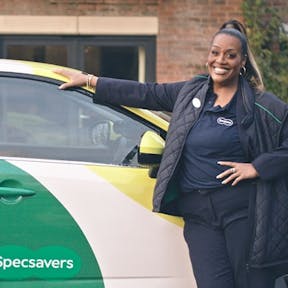
British television presenter Alison Hammond has embarked on a new initiative with Specsavers, stepping into a public‑facing role to support and raise awareness of the optician’s Home Visits programme, which aims to bring vital eye and hearing services directly to people who struggle to leave their homes.
The campaign underscores the hidden challenges faced by vulnerable and housebound individuals across the UK who are missing out on essential healthcare, and it marks a notable collaboration between a major national broadcaster and a leading health‑care provider.

AD: Capeesh Restaurant
The new partnership with Specsavers involves Hammond joining the company’s Home Visits team, shadowing clinical professionals as they provide on‑site eye tests and hearing checks to those unable to attend a traditional clinic.

The initiative has been spotlighted through a documentary‑style content series titled “The Recruit,” launched across digital platforms including YouTube and supported by broadcast promotions over the holiday period.

AD: Oysterian Sea Food Restaurant And Bar
The series captures Hammond’s experiences on rounds with Specsavers optometrists and audiologists, highlighting both the technical aspects of clinical work and the human stories behind each visit.
In interviews and filmed segments, Hammond engages with patients in their homes, assisting optometrists and participating in conversations that reveal how significantly sight and hearing care can impact daily life.
With almost half of all people who require help leaving home reportedly missing out on routine tests, the campaign aims to bring attention to the issue and encourage carers and families to explore at‑home healthcare services.
“This experience has opened my eyes to how much difference a Home Visit can make,” Hammond said in one filmed exchange, reflecting both on the clinical work itself and on the meaningful interactions she shared with those receiving care.
Her engagement is designed to provide a sense of familiarity and accessibility around what can be an intimidating process for some, particularly older adults and individuals with mobility challenges.
Specsavers’ Home Visits service was established to overcome practical barriers to healthcare access, offering comprehensive eye examinations and, increasingly, home hearing assessments for eligible individuals. The programme is delivered by specially trained optometrists and audiologists equipped to bring NHS‑funded tests and tailored care into patients’ homes.
This approach helps reach individuals who would otherwise go months or years without fundamental health checks, potentially reducing the risk of falls, isolation, or undetected conditions such as glaucoma or hearing deterioration.
The collaboration also draws on newly published research commissioned by Specsavers, which indicates that a significant proportion of carers are unaware that at‑home testing is available, and many report that those they care for have experienced negative consequences due to untreated sensory issues.
In some regions, more than half of surveyed carers said their family member’s quality of life suffered because they could not attend a clinic, whether due to limited mobility, anxiety, or lack of support to travel.
Bringing Visibility to Hidden Needs
Hammond’s involvement is inherently tied to the broader goal of boosting public understanding of the prevalence and impact of preventable sight and hearing problems. During her time with optometrists and audiologists, she narrates real‑life experiences that illustrate how early detection and treatment can transform daily living.
These visits often result in practical interventions from simple prescription glasses that restore clarity of vision to hearing adjustments that reconnect listeners with familiar sounds. Such outcomes have ripple effects that go beyond the clinical results, improving confidence and independence for patients who may have felt disconnected or sidelined by traditional healthcare systems.
Healthcare professionals featured in the campaign emphasise that strong vision and hearing are crucial for maintaining broader wellbeing. Optometrists note that untreated conditions are linked to increased risk of falls, compromised personal safety, and reduced ability to engage with the environment, whether that involves reading, watching television, or simply recognising the faces of loved ones.
Hearing difficulties contribute to social withdrawal and loneliness, particularly among older adults already living alone. By bringing care into homes, clinicians are able to tailor support and build rapport in comfortable, familiar surroundings.
Specsavers intends for the campaign to extend beyond its immediate outreach, encouraging systemic improvement in how optical and hearing services are communicated and delivered.
Carers UK and other advocacy groups have spoken about the value of outreach services in mitigating the burden on unpaid carers, who often juggle multiple responsibilities while trying to coordinate essential care for those who depend on them. Accessible at‑home services not only ease logistical challenges but also enhance the emotional wellbeing of both carers and their families.
The multi‑platform approach to the campaign includes both long‑form documentary content and shorter television advertisements designed to direct viewers to the full series online.
Through the integration of Hammond’s public persona with substantive healthcare messaging, Specsavers hopes to reach audiences who may not otherwise be aware of the Home Visits service or the scope of support available through it.
The holiday timing of the campaign’s promotional rollout reflects a strategic choice to maximise visibility during a period when many viewers are at home and potentially receptive to lifestyle and health stories.
Industry commentators have noted that healthcare access, particularly for those with limited mobility or chronic conditions, remains a pressing challenge across the UK. Data from national health bodies suggest that many adults skip routine eye and hearing tests, whether due to cost concerns, difficulty travelling, or simply lack of awareness.
Programmes that bring care directly into homes represent one effort to address these issues, complementing traditional clinic‑based services and expanding the reach of preventive health measures.
The Home Visits initiative itself has expanded in recent years, with increasing numbers of optometrists and audiologists participating in domiciliary clinics and outreach services. These efforts align with broader industry goals of improving service equity and ensuring that essential health checks are not accessible only to those who can easily visit a practice or hospital.
Providers hope to close gaps in healthcare coverage and reduce long waiting lists that can delay critical care by taking advantage of the training clinicians have to operate in home environments and tailoring equipments for mobility needs.
Carers and patients featured in the documentary series have shared poignant accounts of how at‑home eye and hearing tests have improved their lives. Some spoke of rediscovered independence reading favourite books again without strain, watching live television with clear sound, or feeling more confident navigating familiar spaces. These stories resonate with broader public health goals, emphasising prevention and early detection rather than reactive treatment after conditions worsen.
While the campaign’s spotlight is on vulnerable and housebound individuals, its messages carry relevance for a wider audience. Regular eye and hearing tests are recommended for adults of all ages, with early monitoring helping detect a range of conditions from refractive errors to underlying health indicators.
Advocates for preventive care argue that normalising routine checks whether at home or in clinics contributes to long‑term quality of life and reduces pressure on overstretched health services.
Hammond’s involvement in the Home Visits programme adds a high‑profile voice to this ongoing conversation. Known for her personable approach and broad appeal, she brings public attention to a subject that might otherwise receive limited mainstream coverage.
Her on‑site experiences are woven into a narrative that emphasises both clinical expertise and compassionate care, reinforcing the human impact behind each test and interaction.
As the campaign continues to unfold, both Specsavers and its partners hope that public engagement will translate into tangible increases in uptake of at‑home services. The broader aim is to ensure that mobility barriers do not equate to care barriers, and that individuals of all ages and circumstances have equitable access to essential sight and hearing support.
Through the combination of strategic media, authentic storytelling, and direct community engagement, the initiative seeks to shift perceptions of care accessibility and shine a light on services designed to meet people where they are.
Hammond’s voice and visibility to the campaign helps elevate a public health conversation that resonates deeply across the UK. Her on‑the‑ground experiences with the Home Visits team bring warmth and immediacy to a complex issue, demonstrating how innovative partnerships in healthcare can make meaningful differences in individual lives..

AD: Heritage And Restaurant Lounge Bar